
How Osteopaths Help Athletes Stay Injury-Free
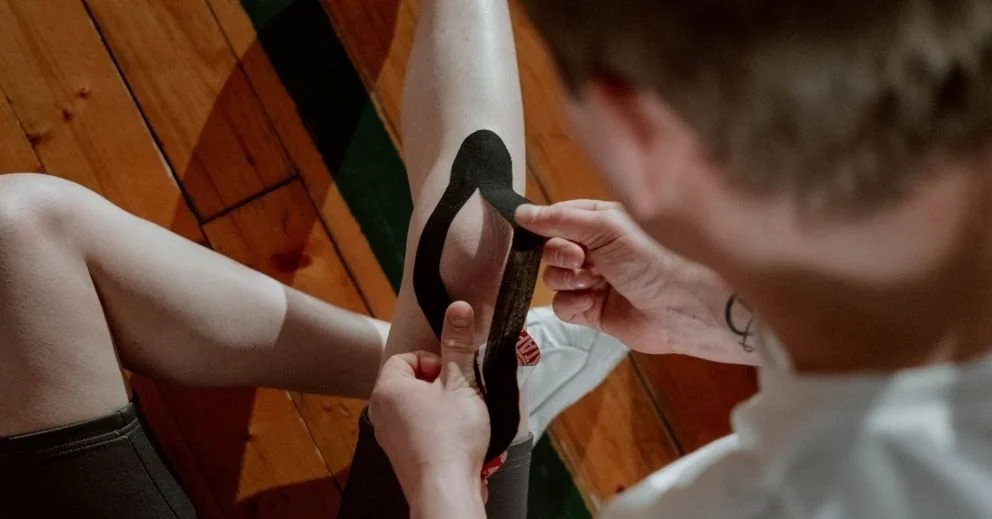
Here's a practical way to think about injury prevention: it's less about luck and more about a handful of habits done consistently. If you're an athlete, weekend warrior, or just someone who trains a few times a week, the difference between staying on the field and sitting on the sidelines often comes down to how well your body moves under load.
Osteopaths work with exactly that problem, spotting the small mechanical issues before they turn into the big ones that end a season.
TLDR: Osteopaths help athletes avoid injury by assessing movement patterns, treating tight or restricted areas before they cause compensation injuries, and building a plan around training load, recovery, and biomechanics. It's a hands-on, practical approach that works alongside your coach or trainer, not instead of them.
Why Athletes Get Injured in the First Place
Most sporting injuries don't come out of nowhere. They build up over weeks or months as small imbalances get ignored, usually because they don't hurt enough yet to stop training.
Overuse and Repetitive Strain
Running, swinging, jumping, kicking, these movements repeated thousands of times put cumulative stress on tendons, joints, and muscles. Without proper recovery or correction, that stress adds up.
Poor Movement Patterns
If one joint isn't moving the way it should, nearby muscles and joints often pick up the slack. Over time, that compensation becomes its own source of pain.
Rushed Return to Training
Coming back too fast after a niggle or a break is one of the most common reasons athletes re-injure themselves, often worse the second time around.
A Step-by-Step Look at How Osteopathic Care Prevents Injury
Rather than waiting for pain to show up, osteopaths tend to work through a fairly consistent process to keep athletes moving well. Here's roughly how it goes.
Assess how you move, not just where it hurts, looking at joints, posture, and movement patterns across the whole body.
Identify restrictions or areas of tightness that may be putting extra load on other structures.
Use hands-on treatment, such as joint mobilisation, soft tissue work, or stretching techniques, to restore normal movement.
Build a simple home exercise or mobility plan so the improvements stick between sessions.
Reassess regularly, especially during heavier training blocks or in the lead-up to competition.
It's a cycle rather than a one-off fix. Athletes who check in regularly tend to catch small issues weeks before they'd otherwise become a missed game or a long layoff.
What an Osteopath Actually Looks At During an Assessment
A good assessment goes well beyond the spot that's sore. Osteopaths are trained to look at the body as a connected system, where a problem in one area often shows up as pain somewhere else entirely.
Joint Mobility and Range of Motion
Stiff hips, restricted ankles, or a tight thoracic spine can all quietly change how you run, jump, or throw.
Muscle Balance and Flexibility
Tight hip flexors paired with weak glutes, or an overactive upper trapezius with underused scapular stabilisers, these imbalances are common and often correctable.
Training Load and Recovery
Sometimes the issue isn't your body at all, it's your schedule. Osteopaths often ask about training volume, sleep, and recovery habits as part of the bigger picture.
Sports and Activities Where Osteopathy Makes a Real Difference
Osteopathic care isn't just for elite athletes. Anyone putting their body under regular physical demand can benefit, and the type of support often depends on the sport.
Running and endurance sports, where overuse injuries to knees, shins, and feet are common.
Football codes, where contact and rapid direction changes stress joints and soft tissue.
Netball and basketball, where jumping and landing place load through the ankles and knees.
Swimming, where shoulder mobility and posture play a big role in stroke efficiency.
Gym-based strength training, where technique breakdown under fatigue is a common cause of strain.
Golf and racquet sports, where repetitive rotational movement can affect the spine and hips.
Whether you're training for a local comp or just trying to keep up with weekend sport, the same principles apply. Consistent movement health matters more than the sport itself.
Building Injury Prevention Into Your Training Routine
Prevention works best when it's part of your normal routine, not something you only think about after you're already injured.
Regular Check-Ins, Not Just Emergency Visits
Seeing an osteopath occasionally during a training block, rather than only after something goes wrong, means small restrictions get picked up early.
Warm-Up and Mobility Work
A proper warm-up that targets your sport's specific demands does more to protect joints than a generic stretch routine.
Listening to Early Warning Signs
Tightness, minor aches, or reduced range of motion are worth mentioning to a practitioner, even if they're not stopping you from training yet.
Can Osteopathy Help Prevent Sports Injuries?
Staying active places regular demands on your muscles, joints and connective tissues. While occasional soreness is common, recurring stiffness, restricted movement or persistent discomfort may indicate areas that need attention.
Assessing your mobility, strength and movement patterns can help identify potential issues and guide changes to your training, recovery and exercise technique.
At Heidelberg Osteo, our team can assess how your body moves, address existing musculoskeletal concerns and recommend a personalised management plan to support your training and physical performance.
Want to stay active and manage recurring aches before they become bigger concerns? Book an osteopathic assessment with Heidelberg Osteo today.
Key Takeaways
Most sporting injuries build up gradually from overuse, poor movement patterns, or rushed recovery.
Osteopaths assess the whole body, not just the painful area, to find the real cause of a problem.
Hands-on treatment paired with a simple exercise plan helps restore normal movement and reduce compensation injuries.
Regular check-ins during training blocks catch small issues before they become serious setbacks.
Injury prevention works best as an ongoing habit, not a one-time fix after something goes wrong.
FAQ
How often should an active person see an osteopath if they're not currently injured?
It varies depending on your training load, but many athletes find a check-in every four to six weeks during heavier training periods helps catch issues early. Those training lightly or seasonally might only need a visit when something feels off or before a big event.
Can osteopathy improve performance, or is it only about avoiding injury?
Better joint mobility and more efficient movement patterns often translate into smoother, more powerful movement, which can support performance as a side benefit. It's not a substitute for skill or strength training, but it does help your body use that training more effectively.
What should I expect in terms of soreness after a session?
Mild soreness for a day or so is common, similar to how you might feel after a solid training session. It usually settles quickly and shouldn't interfere with light activity the next day.
Is osteopathic treatment suitable for younger or junior athletes?
Yes, many younger athletes benefit from osteopathic assessment, particularly during growth spurts when movement patterns and flexibility can change quickly. Treatment is adjusted to suit age, activity level, and stage of development.
How does osteopathy fit in alongside physiotherapy or a strength coach?
Osteopaths often work alongside other professionals rather than replacing them, focusing on joint and soft tissue function while a coach or physio handles strength programming or skill work. Good communication between providers tends to get the best results.