
What Causes TMJ Pain and How to Relieve It
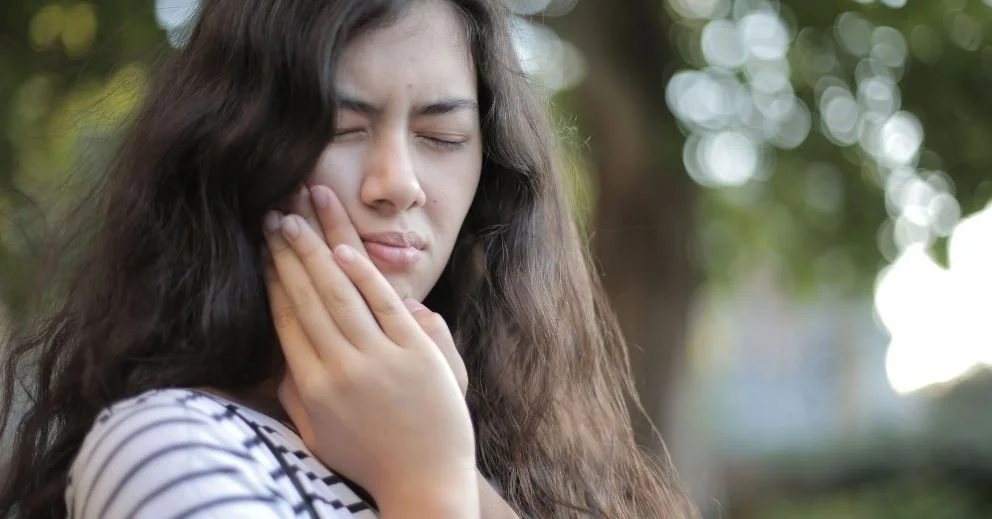
Clicking, stiffness or discomfort when opening your mouth or chewing may be linked to temporomandibular joint (TMJ) dysfunction.
This joint connects your jaw to your skull and plays an important role in everyday movements like eating, speaking and yawning. When the joint or surrounding muscles aren't functioning comfortably, you may experience jaw pain, headaches, limited movement or clicking sounds.
While occasional clicking without pain isn't always a concern, persistent discomfort or difficulty chewing is worth getting assessed.
TLDR: TMJ pain comes from the jaw joint and the muscles around it, often triggered by clenching, teeth grinding, stress, poor posture, or an old jaw injury. Most cases settle down with simple changes to habits, targeted stretches, and hands-on treatment. If pain sticks around or keeps getting worse, it's worth getting it looked at properly.
What Is TMJ Pain, Exactly?
TMJ stands for temporomandibular joint, which is the hinge that connects your jawbone to your skull. You've got one on each side, right in front of your ears. When something's not quite right with that joint or the muscles that control it, you end up with what people usually just call TMJ pain or TMJ disorder.
It can show up as a dull ache, a sharp twinge, or that annoying clicking and popping sound when you open and close your mouth. Some people notice it mostly in the morning, others feel it build up as the day goes on.
Common Symptoms People Describe
Jaw pain or tenderness, especially near the ear
Clicking, popping, or grinding noises when chewing or talking
Difficulty opening the mouth fully
Jaw locking or getting stuck briefly
Headaches, particularly around the temples
Earache without an actual ear infection
Neck and shoulder tension that seems to come from nowhere
Who Tends to Get It
TMJ pain doesn't discriminate much by age, though it's more common in adults juggling stress, screen time, and desk jobs. People who clench their jaw without realising it, whether from anxiety or concentration, are especially prone.
It's also common in people who've had a jaw injury, a car accident, or even a long dental procedure that kept the mouth open for a while.
What Causes TMJ Pain in the First Place
There's rarely just one single cause. Usually it's a combination of habits, posture, and stress that adds up over time.
Teeth Grinding and Clenching
Bruxism, which is the technical term for grinding or clenching your teeth, is one of the biggest culprits. A lot of people do this in their sleep without even knowing, and only find out when a dentist points out the wear on their teeth.
All that extra muscle activity puts strain on the jaw joint and surrounding muscles, which leads to soreness and stiffness.
Stress and Muscle Tension
Stress has a sneaky way of showing up in the body, and the jaw is a common spot for it to settle. You might not even notice you're clenching until your jaw starts aching by mid-afternoon.
Over time, that constant low-level tension can tighten the muscles around the joint and make them more sensitive to pain.
Posture and Neck Alignment
Your jaw doesn't work in isolation. It's closely linked to your neck and upper back, so if your posture is off, particularly from long hours at a desk or looking down at a phone, the jaw joint can end up compensating.
Forward head posture puts extra load on the muscles that support the jaw, which can trigger or worsen TMJ symptoms.
Injury or Joint Wear
A direct blow to the jaw, whiplash from a car accident, or general wear and tear on the joint over the years can all contribute. Arthritis in the jaw joint is less common but does happen, particularly in older adults.
How TMJ Pain Is Usually Diagnosed
Diagnosis is mostly about asking the right questions and having a good look at how your jaw moves. There's no single test that confirms TMJ pain on its own.
What a Practitioner Looks For
Range of motion when opening and closing the mouth
Clicking, popping, or grinding sounds during movement
Tenderness around the jaw muscles and joint
Posture of the neck, shoulders, and upper back
Any history of injury, grinding, or high stress levels
When Imaging Might Be Needed
Most TMJ cases don't need scans or X-rays. But if pain is severe, persistent, or there's a history of trauma, your practitioner might suggest imaging to rule out structural joint damage.
How to Relieve TMJ Pain at Home
Before jumping to treatment, there's a fair bit you can do yourself to take the edge off.
Simple Habits That Help
Avoid chewing gum, which overworks the jaw muscles
Cut food into smaller pieces to reduce how wide you need to open your mouth
Apply a warm compress to relax tight muscles
Try to notice and release jaw clenching during the day
Limit very hard or chewy foods for a while
Gentle Jaw Stretches
Slow, controlled jaw opening and closing exercises can help loosen tight muscles without overloading the joint. Gentle side-to-side jaw movements, done carefully, can also improve mobility over time.
These aren't meant to force anything. If a stretch causes sharp pain, stop and ease off.
Managing Stress and Sleep
Since stress plays such a big role, anything that helps you unwind, whether that's exercise, better sleep habits, or simply taking breaks during the day, can indirectly ease jaw tension. A mouthguard at night is also commonly recommended by dentists for people who grind their teeth in their sleep.
How Osteopathy Can Help With TMJ Pain
Osteopathic treatment looks at the whole picture, not just the jaw joint itself. Because the jaw is so closely connected to the neck, shoulders, and upper back, treating those areas often brings real relief to TMJ symptoms.
What Treatment Might Involve
Gentle hands-on techniques to release tight jaw and neck muscles
Mobilisation of the jaw joint to improve movement
Postural advice to reduce strain on the neck and jaw
Exercises tailored to your specific pattern of tension
Guidance on stress-related habits contributing to clenching
Why the Whole-Body Approach Matters
Treating only the jaw and ignoring the neck or posture often means the pain creeps back. An osteopath looks at how everything connects, which tends to give longer-lasting results than focusing on the joint in isolation.
If you're dealing with ongoing TMJ pain, it's worth getting it assessed properly rather than just managing symptoms month after month.
Struggling With Ongoing Jaw Pain or TMJ Discomfort?
Persistent jaw pain, clicking and muscle tension can make everyday activities like eating, speaking and yawning uncomfortable. These symptoms may be associated with TMJ dysfunction, which can also involve tension in the surrounding jaw and neck muscles.
At Heidelberg Osteo, our team can assess your jaw movement, muscle tension and related neck concerns to identify factors contributing to your discomfort. From there, we can recommend a personalised treatment plan to help manage pain and improve jaw function.
Tired of dealing with ongoing jaw discomfort? Book an assessment with Heidelberg Osteo and take the first step towards lasting relief.
Key Takeaways
TMJ pain comes from the jaw joint and surrounding muscles, often linked to clenching, grinding, stress, or posture
Symptoms include jaw clicking, pain when chewing, headaches, and neck tension
Most cases improve with simple habit changes, gentle stretches, and stress management
Osteopathy treats the jaw alongside the neck and posture for longer-term relief
Persistent or worsening pain should be properly assessed rather than ignored
FAQ
Can TMJ pain go away on its own without treatment?
Mild cases sometimes settle with rest and simple habit changes, especially if the trigger was short-term stress or a one-off clenching habit. If it's been going on for weeks or keeps coming back, it's unlikely to fully resolve without addressing the underlying cause.
How long does it typically take to feel relief after starting treatment?
Many people notice some improvement within a few sessions, particularly with muscle tension and range of motion. Full resolution can take longer, especially if grinding or posture habits need time to change.
Is it safe to keep exercising or playing sport with TMJ pain?
Generally yes, though contact sports or anything involving a mouthguard may need some modification while symptoms settle. It's worth mentioning your TMJ symptoms to whoever is treating you so they can factor it into any advice.
Does TMJ pain ever need surgery?
Surgery is rare and usually only considered when conservative treatment hasn't helped after a genuine trial, or where there's significant structural joint damage. The vast majority of TMJ cases respond well to non-surgical approaches like osteopathy, dental splints, and habit changes.
Can TMJ issues affect your bite or teeth over time?
Ongoing grinding and clenching can contribute to tooth wear, and significant joint changes can occasionally affect how your bite feels. This is part of why it's worth addressing TMJ symptoms early rather than letting them run for years.