
Joint Mobilisation
What is joint mobilisation?
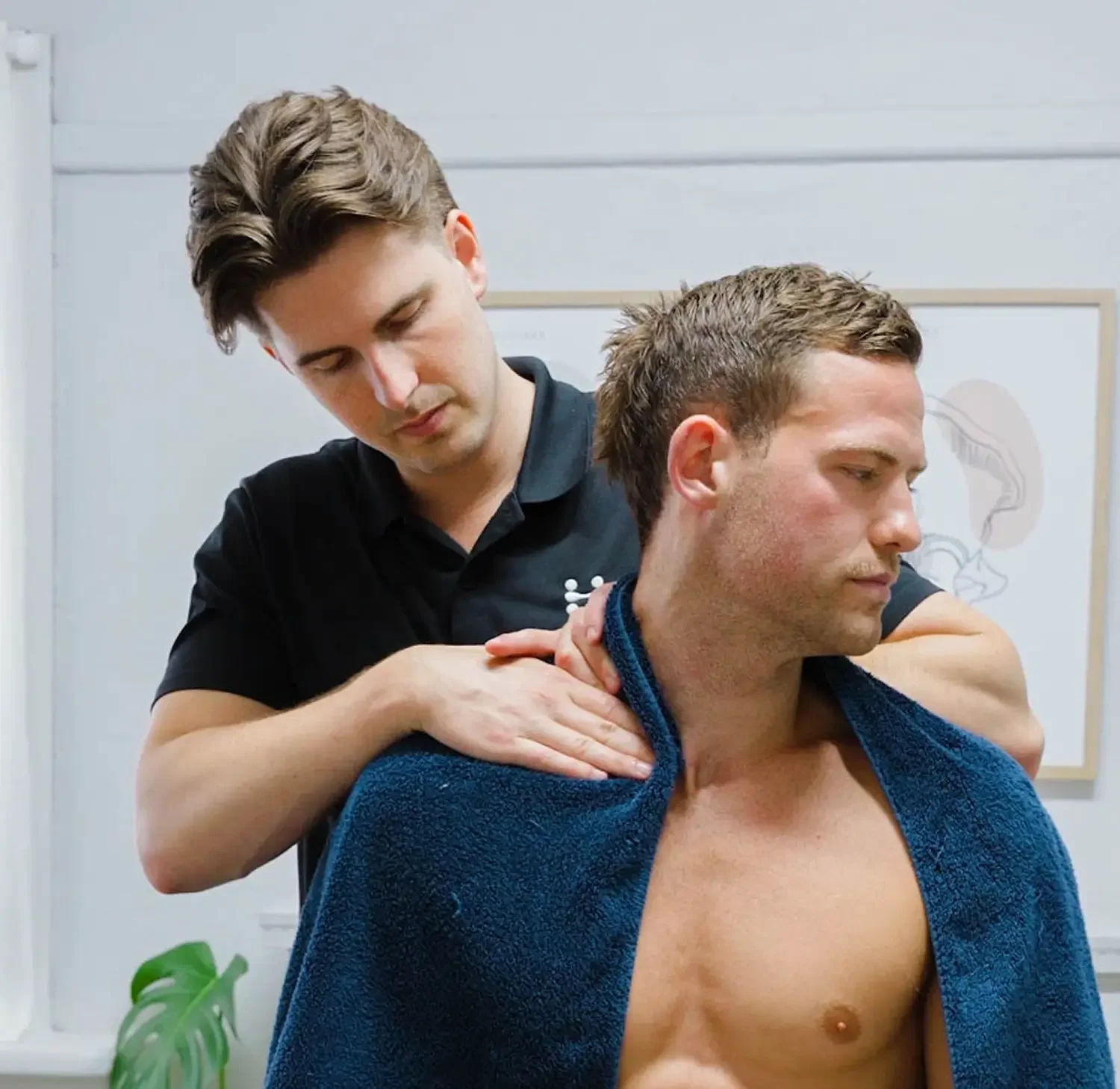
Joint mobilisations are a gentle technique where we apply traction, gapping or gliding of a joint to improve its range of motion and mobility.
Within our treatment sessions, we always include some joint mobilisations, combined with other treatment techniques like massage, dry needling and plenty more, to help relieve pain and improve the mobility of an area.
Book a treatment session through the button below, and to learn further about how joint mobilisations can help you, read more underneath.
What are the benefits?
Reduces pain and inflammation: Gentle movements help lubricate joints and ease discomfort.
Restores mobility: Improves range of motion by reducing stiffness and restrictions.
Speeds recovery: Supports healing after injuries and promotes better function.
Improves posture: Aligns joints and reduces stress on surrounding muscles.
Prevents future issues: Corrects imbalances and reduces risk of ongoing problems.
May reduce need for surgery: Improves joint health naturally, often delaying or avoiding surgical intervention.
Joint Mobilisation FAQ
-
Joint mobilisations are gentle, controlled movements applied to stiff or restricted joints. They help reduce pain, restore motion, and improve overall function.
-
They are commonly used for:
Arthritis-related stiffness
Sports or workplace injuries
Back and neck pain
Shoulder, hip, and knee issues
Postural problem
-
No. They are gentle and should not be painful. You may feel some mild stretching or release, but the treatment is designed to be comfortable.
-
By moving the joint surfaces, joint mobilisations stimulate synovial fluid (the joint’s natural lubricant), reduce muscle tension, and gradually improve mobility.
-
No. Mobilisations use slow, controlled movements, not high-velocity thrusts. They’re a safe option for patients who prefer gentler techniques.
-
Yes. By restoring joint motion and improving posture, they reduce strain on the body and lower the risk of future injuries.
