
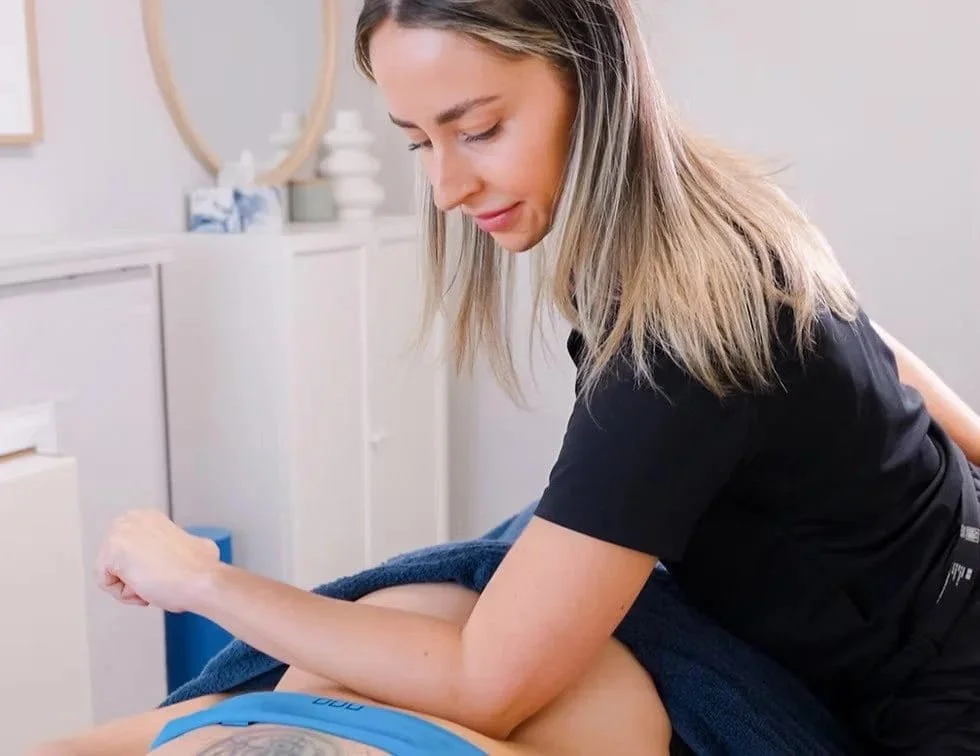
Rated 5.0 by 300+ locals.Osteopath for Hip Pain: Helping You Move More Freely
Struggling with ongoing hip pain, stiffness, or reduced mobility? Our experienced osteopaths provide tailored treatment to ease discomfort, improve movement, and support your recovery.
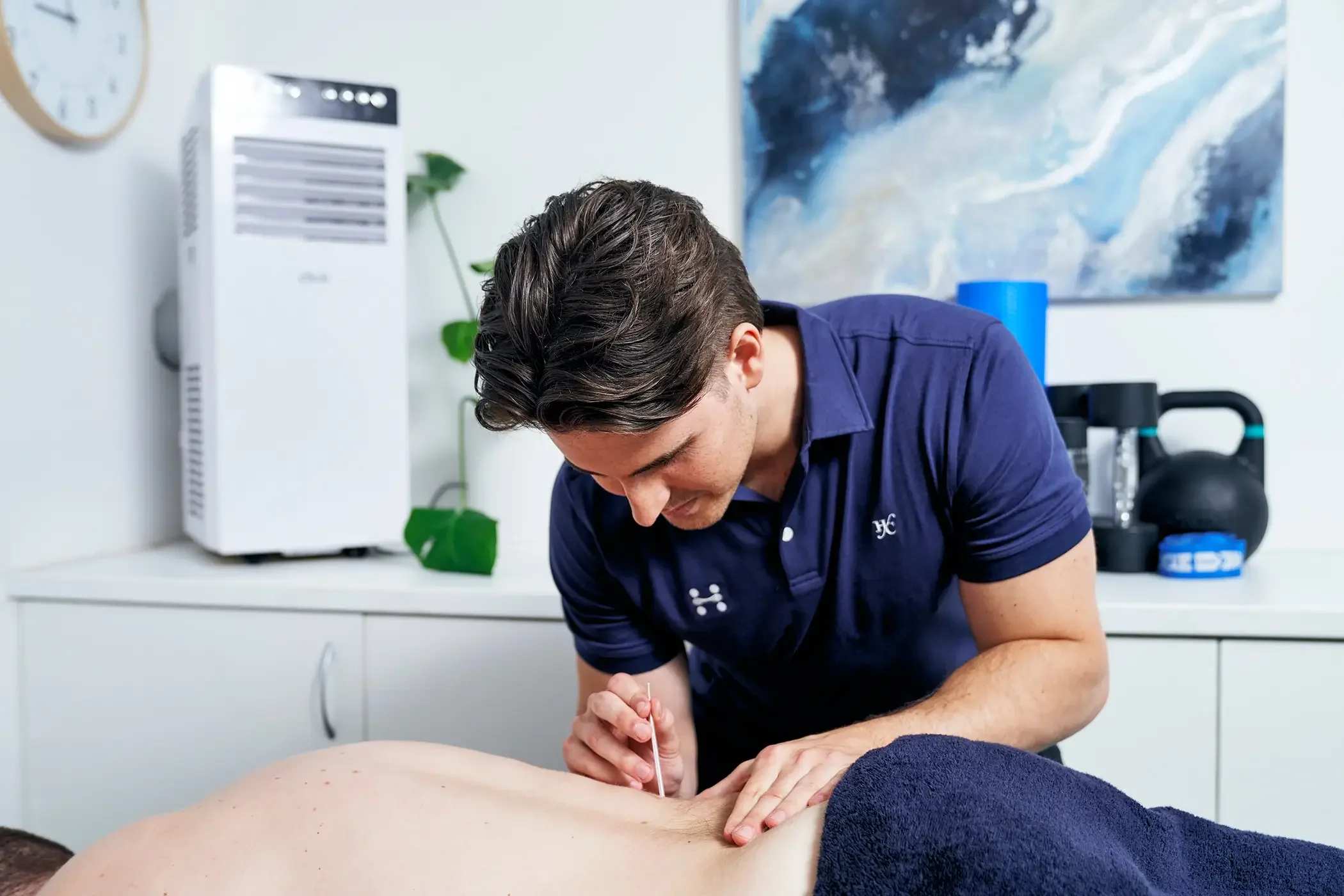
Feel better in your hips again.
Hip pain can develop from joint restriction, muscle tension, overuse, injury, or movement dysfunction. It can make walking, exercise, sitting, or everyday activities uncomfortable.
At Heidelberg Osteopaths, we help people experiencing a range of hip concerns, from sudden pain to ongoing stiffness and limited mobility. Our team assesses what may be contributing to your symptoms and how they’re affecting daily movement.
Our osteopathic care for hip pain focuses on improving mobility, reducing muscle tension, restoring movement, and supporting long-term recovery with treatment tailored to your needs.
If hip pain is affecting your comfort or mobility, book an appointment with our team and take the next step toward moving with greater ease.
Hip pain explained.
Hip pain is a common musculoskeletal issue that can result from joint dysfunction, muscle imbalance, overuse, or injury. Identifying the underlying cause is key to achieving lasting relief.
-
Hip pain can develop from joint irritation, soft tissue strain, reduced mobility, or movement imbalances that place extra stress through the area. Common contributing factors include:
Muscle tightness or overload
Hip joint stiffness
Tendon irritation
Labral irritation or injury
Glute weakness or dysfunction
Repetitive strain from sport or exercise
Poor lower limb biomechanics
Age-related joint changes
-
Hip pain can feel different depending on the source of the issue and surrounding structures involved. Common symptoms include:
A deep ache in the hip or groin
Pain when walking or standing for long periods
Stiffness after sitting or inactivity
Discomfort during exercise or certain movements
Pain when getting in or out of a car
Reduced hip mobility
Pain that spreads into the thigh or buttock
Difficulty sleeping on the affected side
-
Hip pain may be associated with a variety of musculoskeletal conditions, including:
Hip bursitis
Gluteal tendinopathy
Hip joint osteoarthritis
Labral irritation
Hip flexor strain
Movement-related joint dysfunction
Referred pain from the lower back or pelvis
-
Osteopathic treatment for hip pain focuses on improving how the hip and surrounding structures work together, rather than only addressing the painful area.
Your osteopath will assess hip movement, muscle function, posture, and related areas such as the pelvis and lower back to identify what may be driving your symptoms.
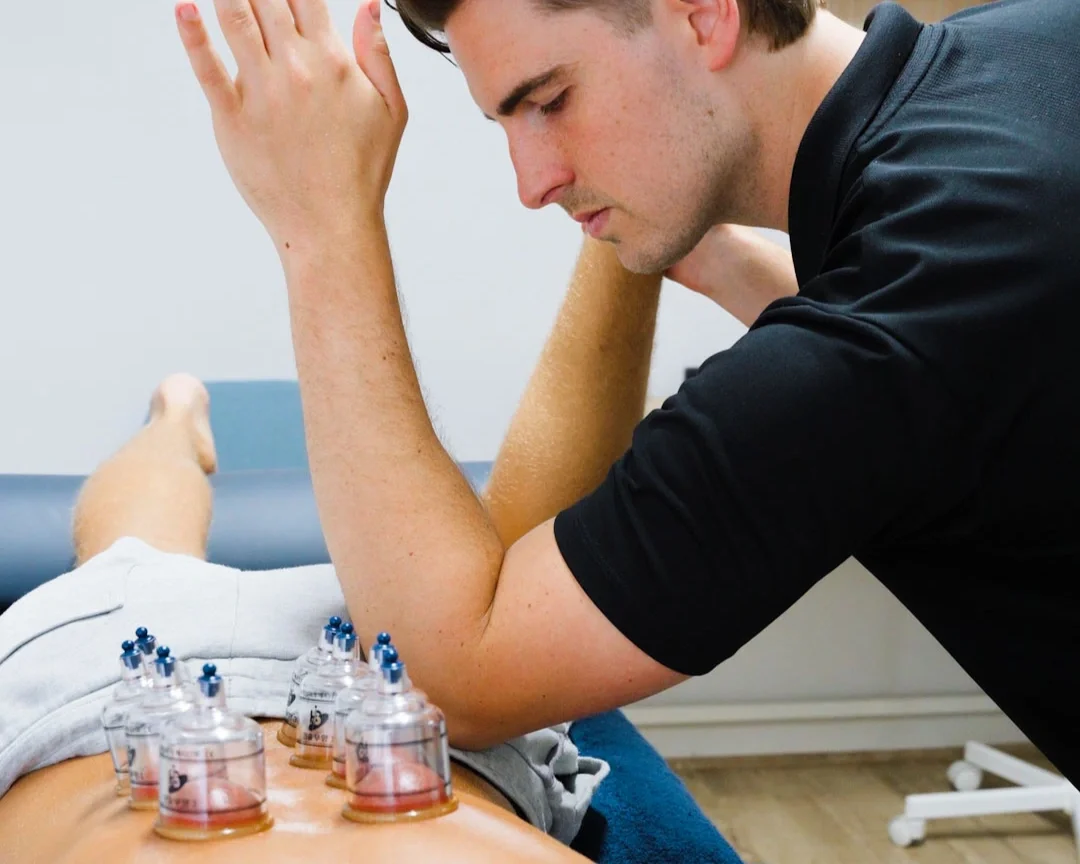
Treatment may involve manual therapy, soft tissue techniques, joint mobilisation, and movement-based strategies to improve comfort and function.
We may also provide guidance around activity levels, strengthening, and movement habits to support recovery and help you return to daily activities with greater ease.

Your hip pain recovery is our priority.
Our osteopaths have supported people with hip pain arising from a range of causes, including joint irritation, bursitis, osteoarthritis, and referred discomfort. Each treatment is tailored to your needs using hands-on care, movement-focused treatment, and practical support.
Our approach goes beyond temporary symptom relief. We assess how your hip, pelvis, lower back, and movement habits may be contributing while working to improve mobility, ease tension, and support long-term recovery.
Don’t let hip pain impact your daily routine or confidence in movement. Book your appointment today and discover how osteopathic care can help you move with greater comfort again.
Osteopath for Hip Pain FAQ
-
Yes, osteopaths are trained to assess and treat a wide range of hip pain conditions, including joint stiffness, muscle tightness, bursitis, impingement, and referred pain from the lower back or pelvis.
Treatment focuses on improving hip mobility, reducing muscular tension, and addressing the underlying mechanical factors contributing to your discomfort.
-
Hip pain can develop from many sources, including hip joint degeneration, bursitis, labral tears, muscle strains, hip impingement syndrome, and referred pain from the lumbar spine or sacroiliac joint.
An osteopath will assess your movement, posture, and history to identify what's driving your symptoms and tailor treatment accordingly.
-
The number of sessions varies depending on the cause and severity of your hip pain, as well as your recovery goals. Some people notice meaningful improvement within a few appointments, while persistent or complex conditions may benefit from a longer treatment plan.
Your osteopath will give you a realistic picture of what to expect after your initial assessment.
-
Osteopathic treatment is generally considered safe when delivered by a qualified practitioner. Techniques are selected and adjusted based on your specific condition, comfort level, and any relevant health history.
Your osteopath will explain each technique before applying it and will always work within your tolerance.
-
Your first appointment involves a thorough discussion of your symptoms, medical history, daily activities, and movement concerns. Your osteopath will then carry out a physical assessment to identify the source of your hip pain before beginning hands-on treatment.
-
Osteopathy can be a helpful part of managing hip pain related to osteoarthritis. While it won't reverse joint changes, treatment can help improve mobility, reduce muscular tension around the hip, and support better movement patterns to ease day-to-day discomfort.
Your osteopath may also provide guidance on exercise and activity modification to help you stay as active as possible.