
Spinal Adjustments
What are adjustments?
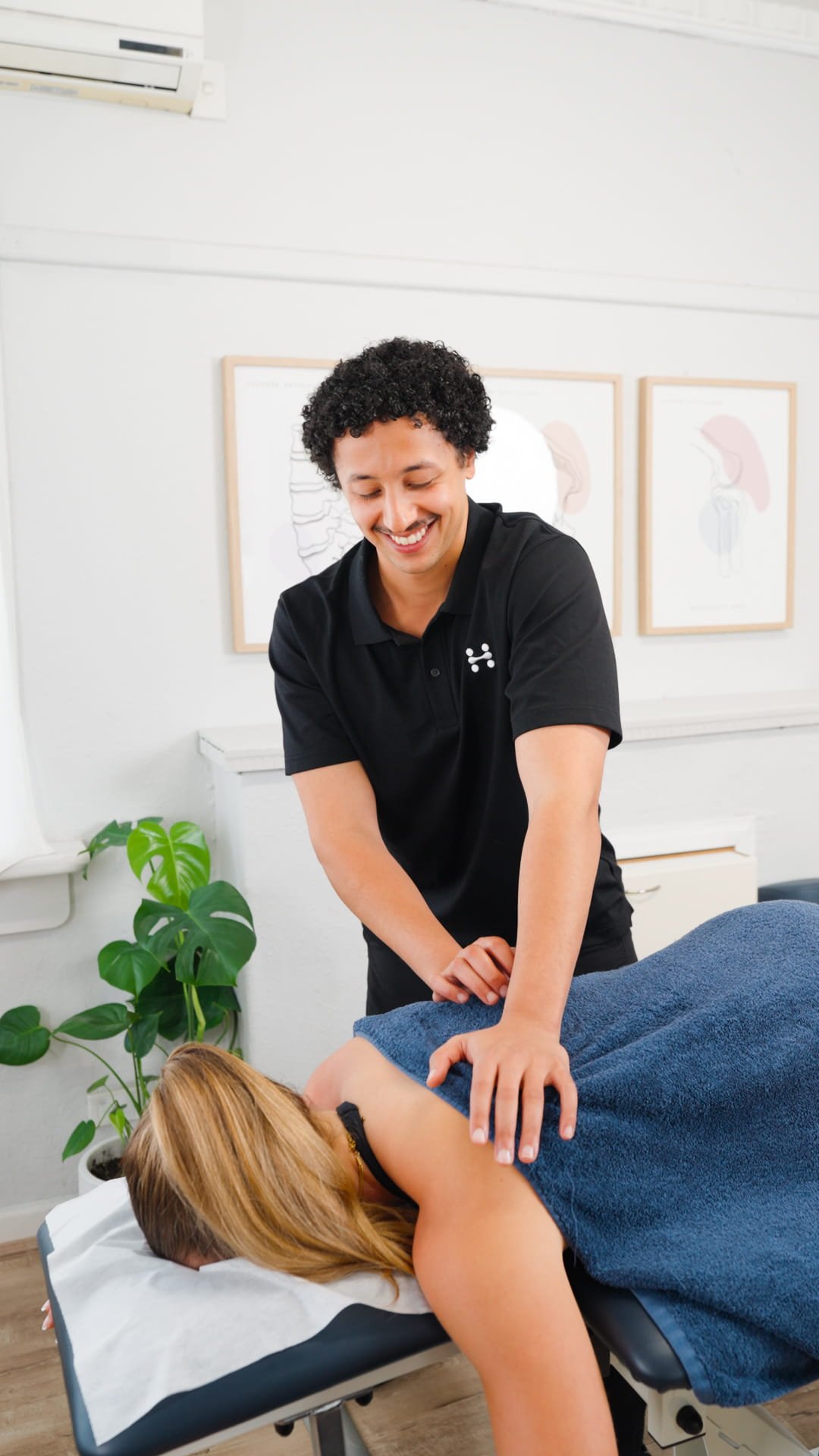
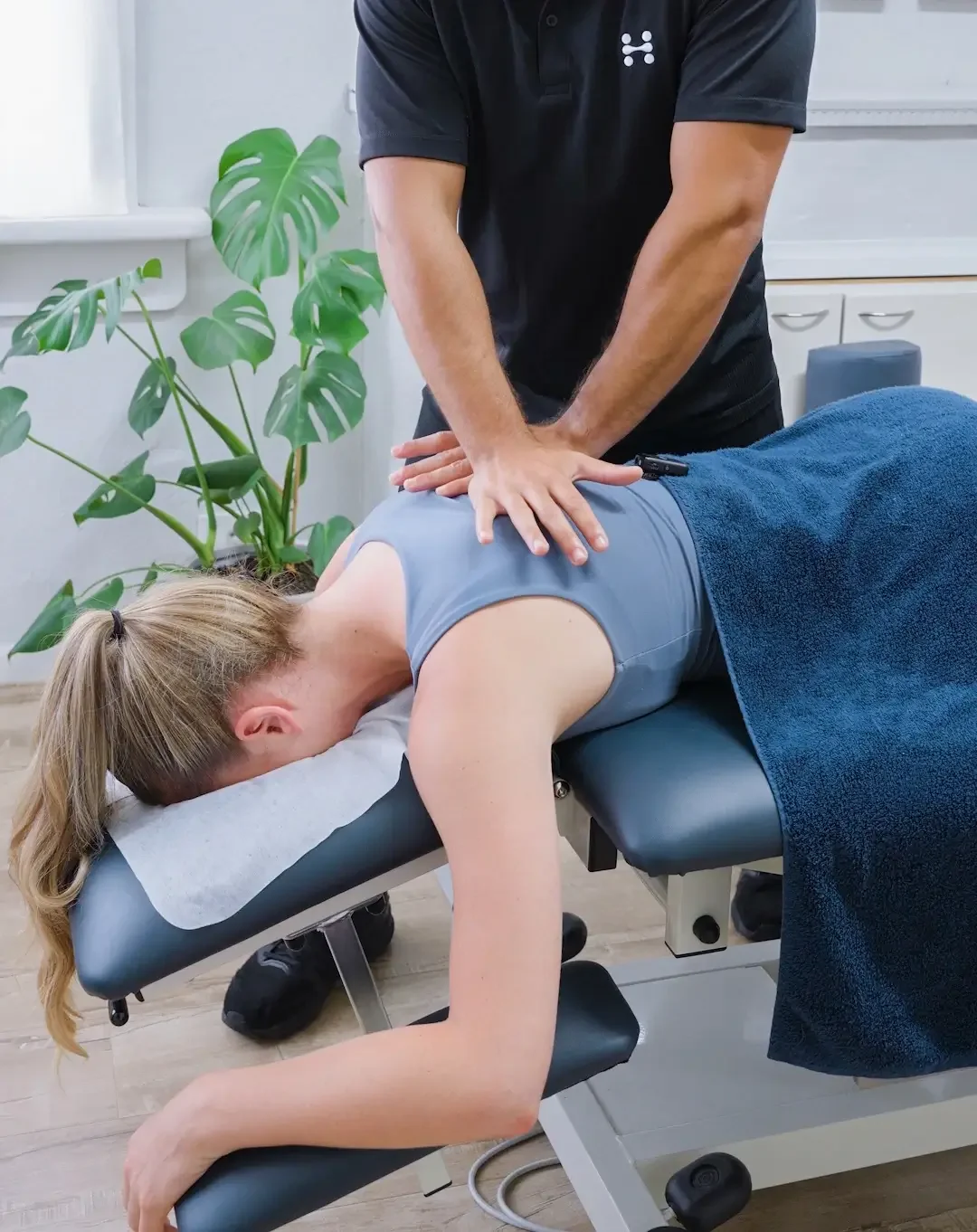
Adjustments are a treatment technique, where a short, fast thrust is applied to a joint which often results in a 'pop' noise. This can help improve range of motion and mobility, correct misalignments and relieve pain.
Joint adjustments involve the skilled application of manual techniques to correct dysfunctions within the musculoskeletal system.
As Osteopaths, we are trained to evaluate the patient's overall health, considering the interconnectedness of the body's structure and function.
By identifying restrictions, misalignments, or imbalances in the musculoskeletal system, we can use joint adjustments to restore proper alignment and mobility, thereby alleviating pain and supporting injury prevention.
Within our treatment sessions at Heidelberg Osteopaths, we can include osteopathic adjustments with your permission, and always combine them with other treatment techniques like massage, dry needling and plenty more.
Book a treatment session through the button below, and to learn further about how adjustments can help you, read more underneath.
What are the benefits?
Reduces pain: Relieves back, neck, and joint pain caused by restrictions or misalignments.
Improves circulation: Enhances blood flow, reduces inflammation, and supports tissue repair.
Releases muscle tension: Eases tightness caused by compensating for misaligned joints.
Relieves nerve pressure: Reduces radiating pain, tingling, or numbness linked to nerve impingement.
Restores mobility: Improves joint movement and overall function.
Supports better posture: Promotes alignment to reduce long-term strain on the body.
Prevents injuries: Optimises body mechanics to lower the risk of repetitive strain or sports injuries.
Joint & Spinal Adjustment FAQ
-
A spinal adjustment, also known as spinal manipulation or a joint adjustment, is a gentle manual technique used to improve movement in restricted joints and support proper spinal alignment.
These techniques may help address spinal misalignment, improve spinal alignment, and support overall spinal health by restoring normal movement and reducing pressure on surrounding tissues.
-
Spinal adjustments may help with a range of musculoskeletal concerns, including:
lower back pain
Back and neck pain
Joint stiffness and restricted mobility
Sciatica and nerve irritation
Postural problems requiring posture correction
Repetitive strain injuries
General discomfort related to joint restriction or poor movement patterns
-
Spinal adjustments restore proper motion to restricted joints, helping muscles, joints, and spinal nerves function more effectively. By improving movement and reducing mechanical stress, they can ease inflammation, release muscle tension, and reduce pressure that may contribute to nerve irritation.
While the spine protects the spinal cord, adjustments focus on improving joint mechanics and mobility around the affected areas.
-
Relief from Musculoskeletal Pain: Joint adjustments are particularly effective in relieving musculoskeletal pain. Conditions such as back pain, neck pain, and joint pain often result from restrictions or dysfunction in the spine and other joints. By gently improving movement in the affected joints, Osteos can help reduce pain and improve function.
Improved Circulation: They can enhance blood flow to affected areas, aiding in the body's natural healing processes. Improved circulation reduces inflammation and helps repair damaged tissues, contributing to long-term pain relief.
Release of Muscle Tension: Restricted joints can lead to compensatory muscle tension. By restoring movement and encouraging proper spinal alignment, our Osteopaths can help release this tension, providing relief and reducing the chance of recurrence.
Nerve Impingement Relief: This technique can also help relieve nerve irritation caused by restricted vertebral joints or surrounding tissue compression. This can significantly reduce radiating pain, tingling, and numbness associated with conditions like sciatica.
-
Enhanced Joint Mobility and Function: Joint adjustments optimise joint mobility and function, reducing the risk of injuries related to poor range of motion or joint dysfunction. Athletes, in particular, benefit from improved movement, as it can support performance and reduce the likelihood of strains and sprains.
Improved Posture: Proper joint function contributes to better posture and posture correction over time. Poor posture can lead to chronic musculoskeletal issues and increase injury risk. Supporting proper spinal alignment can reduce unnecessary strain on muscles and ligaments.
Balanced Muscle Activation: Joint adjustments often involve addressing muscle imbalances. This helps ensure muscles are working more evenly, reducing the risk of overuse injuries or strains caused by uneven muscle development.
Preventing Repetitive Strain Injuries: Individuals in occupations involving repetitive movements, such as office workers, may be more prone to repetitive strain injuries. Joint adjustments can help maintain movement efficiency and reduce excessive mechanical stress.
Enhanced Body Mechanics: These adjustments can improve overall body mechanics, helping movement become more efficient and reducing injury risk during activities like lifting, bending, or running.
-
No — spinal and joint adjustments are designed to be safe and comfortable. Some patients may feel mild stiffness afterwards, but most notice improved mobility and reduced discomfort shortly after treatment.
-
No problem — if you’re uncomfortable with spinal or joint adjustment techniques, we can use other hands-on techniques such as mobilisation, massage, or dry needling to achieve similar results.
-
Proper spinal alignment helps the body move more efficiently and reduces unnecessary strain on muscles, joints, and connective tissues. When spinal alignment is compromised, it can contribute to stiffness, discomfort, reduced mobility, and increased stress on surrounding structures.
Supporting spinal health through appropriate treatment and movement can help improve comfort, posture, and day-to-day function.
