
Dry Needling
What is dry needling?
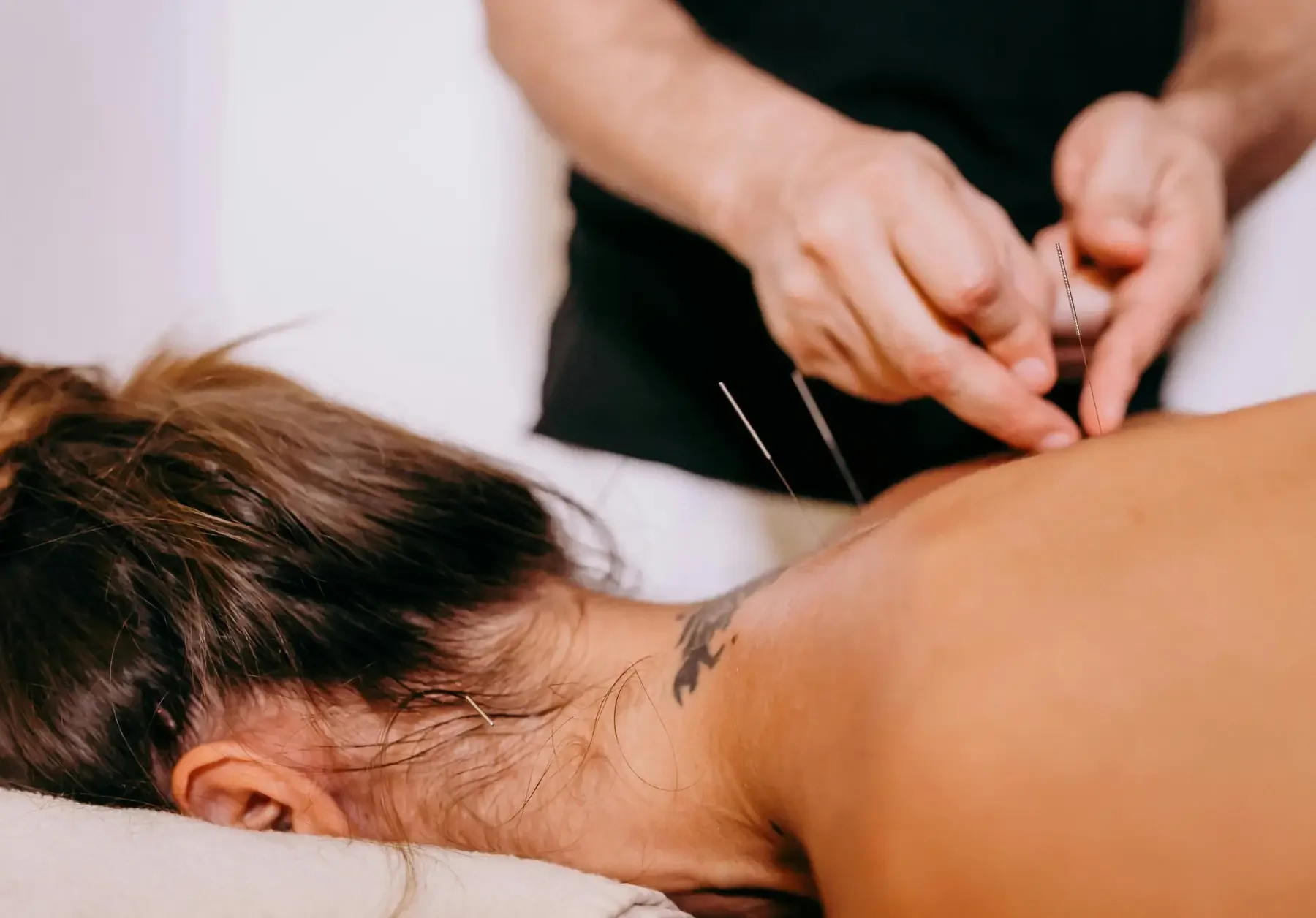
Dry needling treatment can help provide pain relief by targeting trigger points within muscle tissue. During a dry needling session, thin needles are inserted into tight knots or bands of muscle to encourage relaxation and improve blood flow.
This process can help relieve musculoskeletal pain, reduce muscle tension, promote relaxation, and support the body's natural recovery.
Within our treatment sessions, we may include dry needling therapy depending on your preferences, alongside other techniques like massage, joint mobilisations, cupping, and plenty more, to help relieve pain.
At Heidelberg Osteopaths, we place a strong emphasis on patient-centred care. Before recommending dry needling, we’ll assess your symptoms, movement, and medical history to understand your individual needs.
This individualised approach ensures dry needling forms part of a tailored treatment plan suited to your needs. If you don't like needles, we can use other manual therapy techniques to help.

What are the benefits?
Relieves pain: Deactivates trigger points and reduces muscle tightness.
Improves circulation: Boosts blood flow and speeds up tissue repair.
Speeds recovery: Helps heal sports injuries and overuse conditions faster.
Reduces headaches: Eases tension in the neck and shoulders linked to migraines.
Restores mobility: Improves joint movement and flexibility.
Targeted treatment: Pinpoints the exact muscles causing pain for faster results.
Dry Needling FAQ
-
Dry needling targets tight muscles and trigger points that may be contributing to discomfort. Needle insertion can help release tension, ease muscle pain, and restore comfortable movement.
-
-
You may feel a small prick as the needle goes in, followed by a brief muscle ‘twitch’ response. This is common when targeting a tight muscle or muscle knots, and any discomfort is usually short-lived.
-
Yes, when performed by trained practitioners, dry needling is considered a safe treatment technique. We use sterile, single-use needles and tailor treatment to your individual needs.
-
Although similar needles are used, the approaches are different. Acupuncture is based on traditional Chinese medicine, where needles are placed at specific points along the body.
Dry needling targets tight muscles and trigger points within muscle and connective tissue to help release tension and reduce pain.
-
Some people notice pain relief soon after treatment, while others may need a few sessions depending on their symptoms. Longer-term or chronic pain may require a broader treatment and rehabilitation approach.
-
No problem! We can use other hands-on techniques such as massage or joint mobilisation to help relieve tension and improve movement without needles.
-
Dry needling is a versatile technique that can be used for a range of musculoskeletal concerns. We may include it within treatment for conditions such as:
Back and Neck Pain: Muscle tension and trigger points can contribute to ongoing back and neck discomfort. Dry needling may help ease tension, including muscle-related low back pain, and improve mobility.
Sports Injuries: Dry needling can support recovery following a sports injury, including muscle strains and overuse problems, by targeting tight or irritated muscles.
Headaches and Migraines: Trigger points in the neck and shoulder muscles can contribute to headaches and referred pain. Treatment can help reduce this muscular tension.
Repetitive Strain Injuries: Repetitive movements can lead to tightness and irritation in muscles and surrounding tissue. Dry needling may be used as part of treatment to address these contributing factors.
Joint Pain: Muscle tension around a joint can affect movement and comfort. Dry needling may help reduce surrounding tension and support easier movement.
-
Dry needling may be included in treatment for frozen shoulder where surrounding muscle tension is limiting comfortable movement. For nerve pain, we’ll first assess what may be causing your symptoms and whether dry needling is appropriate for your condition.
