
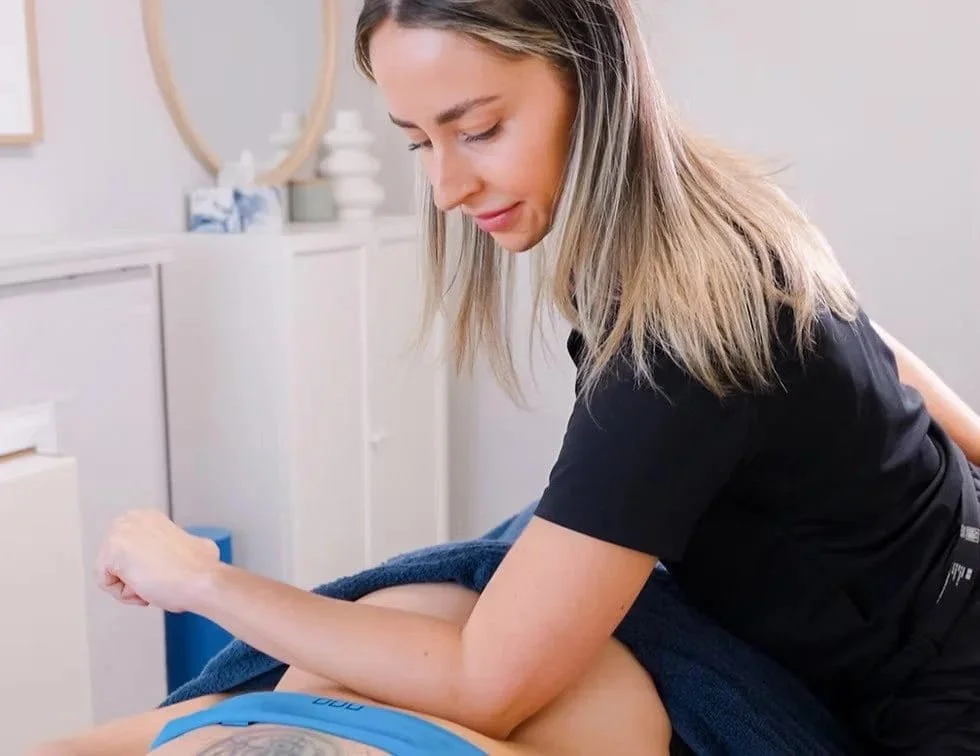
Rated 5.0 by 300+ locals.Osteo Thornbury: Expert Treatment For Pain & Injuries
Pain, stiffness, or an injury making your day harder? Our osteos help Thornbury locals move more comfortably, manage discomfort, and get back to the activities they enjoy.
Helping you move pain-free.
Pain can start to change how you go about your day, making work, exercise, and even ordinary movements feel more difficult than they should.
With our clinic just a 15-minute drive from Thornbury, we help locals with a range of muscular, joint, and mobility problems through care tailored to the individual.
We’ll take the time to understand your symptoms, check how you’re moving and work out which areas may be contributing to the issue.
Your care may include massage, mobilisation, dry needling or adjustments to suit your needs.
You’ll also receive practical advice to help you look after your body and continue making progress between visits.
Whether something happened recently or has been bothering you for a while, we’ll work with you towards more comfortable movement.
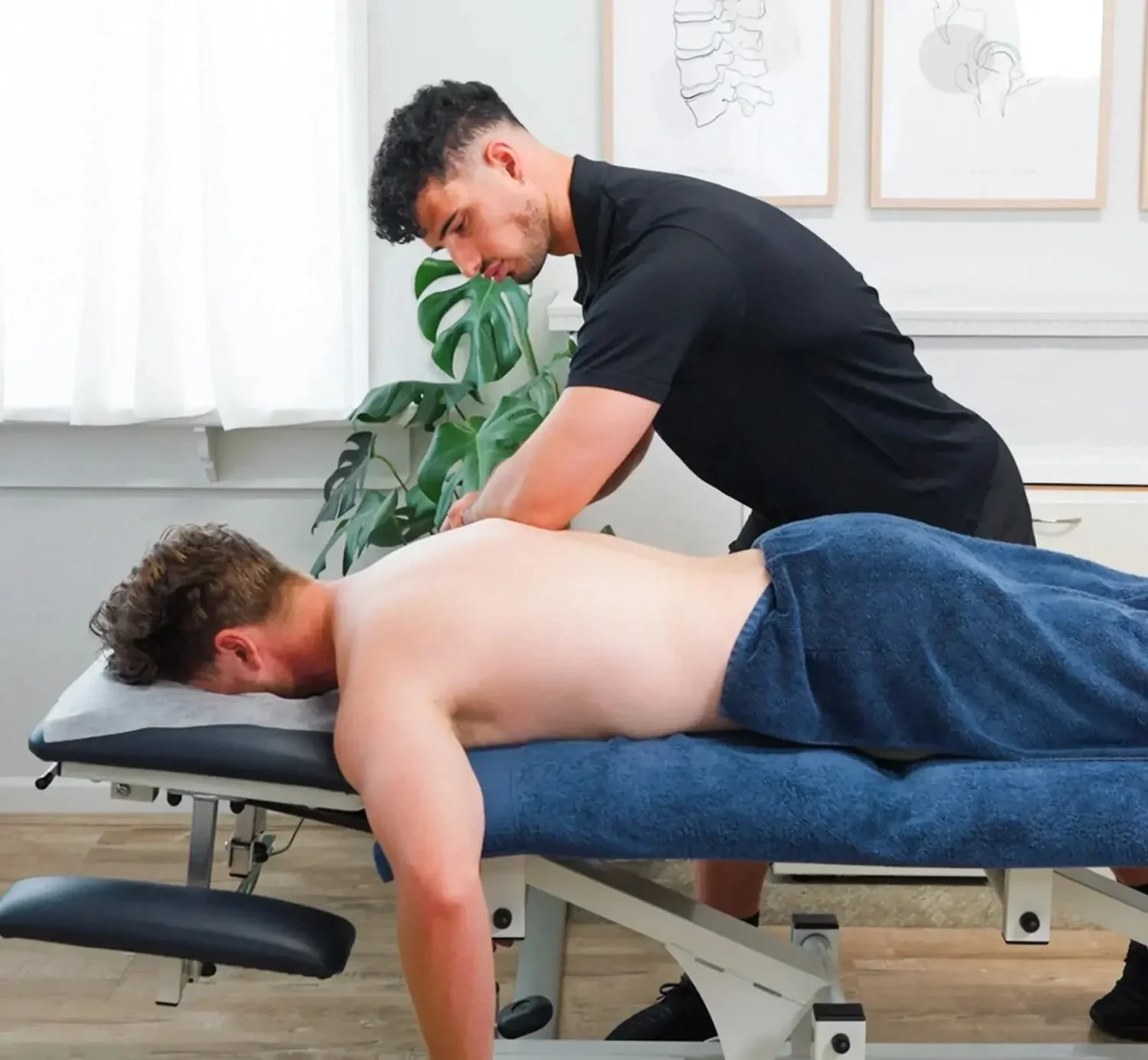
Our Thornbury Osteo Can Help :
-
Back pain can make bending, sitting and staying active uncomfortable. We assess the muscles, joints and movement patterns that may be involved in your symptoms.
Lower back pain
Sciatica
Disc-related pain
Muscle tightness
Joint stiffness
-
Neck and shoulder problems can develop after long hours at a desk, physical work or sudden strain. We assess the areas involved and how they’re affecting movement.
Neck stiffness
Shoulder pain
Rotator cuff problems
Postural discomfort
Muscle tension
-
Soreness through the hips or knees can limit walking, training and other everyday activities. We look at how these joints are moving and handling load.
Hip pain
Knee pain
Tendon complaints
Sporting injuries
Joint stiffness
-
Some headaches and jaw problems can be associated with tension or restricted movement through nearby muscles and joints. We can assess whether these factors are relevant.
Tension headaches
Jaw discomfort
TMJ-related concerns
Neck-related headaches
Facial muscle tension
-
Strains and muscle injuries can occur through sport, lifting, repetitive tasks or unexpected movements. Treatment can support recovery while you gradually return to normal activity.
Muscle strains
Sporting injuries
Tight muscles
Overuse complaints
Exercise-related soreness
-
Repetitive tasks, gym training and manual work can all place extra demand on the elbows and wrists. We assess what’s aggravating the area and affecting function.
Tennis elbow
Golfer’s elbow
Wrist pain
Forearm tightness
Overuse injuries
-
Pain lower down the leg can change the way you walk, run or exercise. We assess the affected structures and how your lower limb is managing movement and load.
Ankle sprains
Shin pain
Foot discomfort
Achilles complaints
Running-related injuries
-
Persistent symptoms often need a different approach from a recent injury. We’ll consider your movement, activity levels and individual circumstances when planning your care.
Recurring pain
Persistent stiffness
Ongoing musculoskeletal problems
Reduced mobility
Activity-related flare-ups
How we treat your condition.
Your treatment will depend on what we find during your assessment and what you’re hoping to achieve. We’ll then choose the techniques that best suit your needs and comfort.
-
![Deep Tissue Massage]()
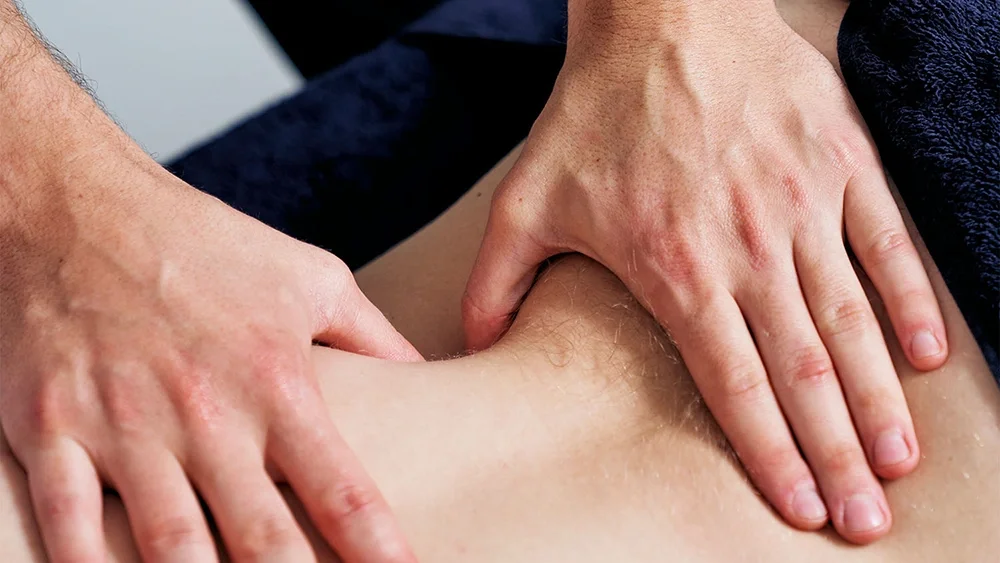
Deep Tissue Massage
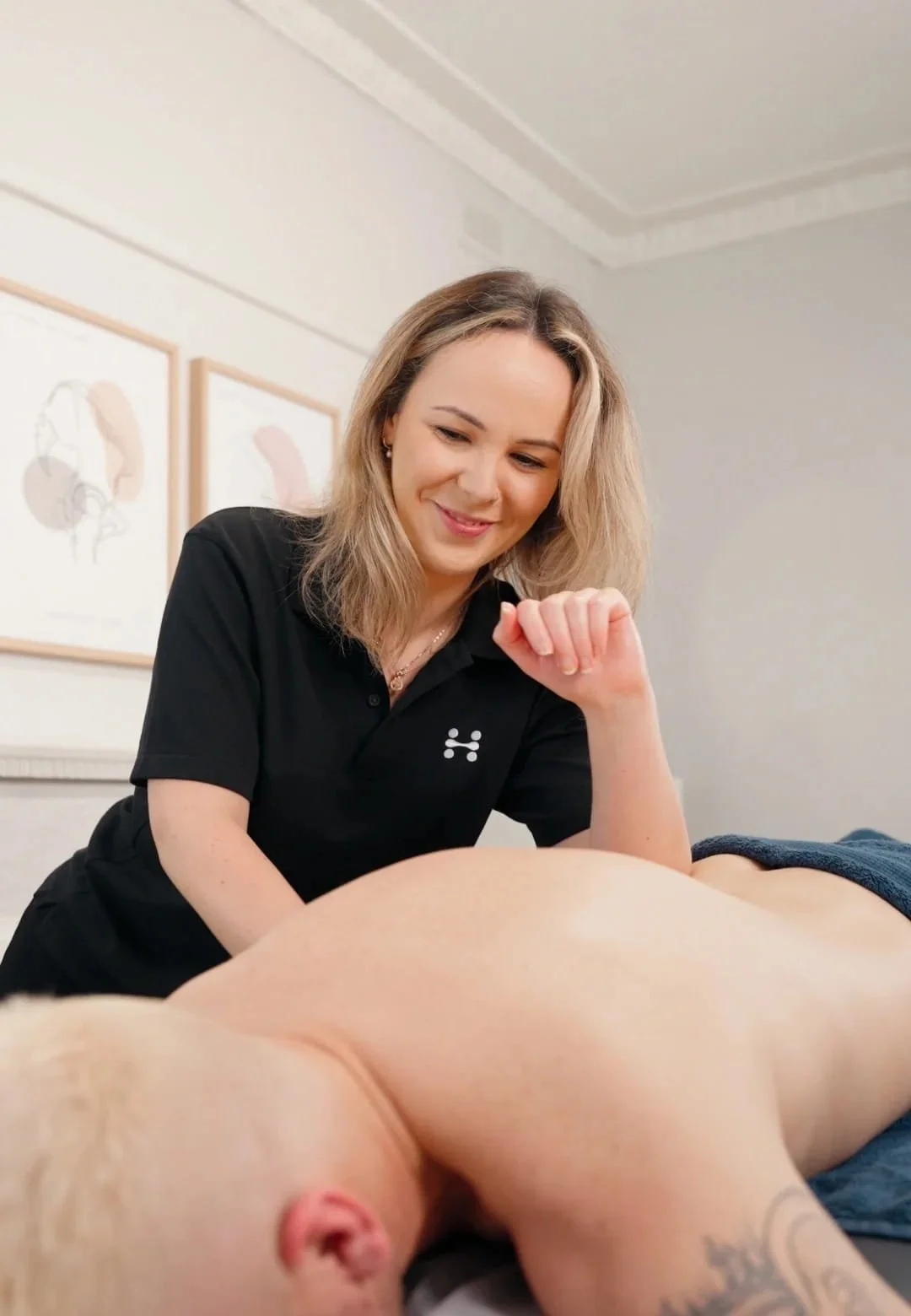
Firm, targeted massage can work into tense or overworked muscles, helping reduce built-up tightness and make sore areas feel more comfortable during everyday movement.
-
![]()
Joint Mobilisation
Gentle, repeated movements are used to work a joint through its available range, helping ease stiffness and encourage smoother, more comfortable movement.
-
![]()
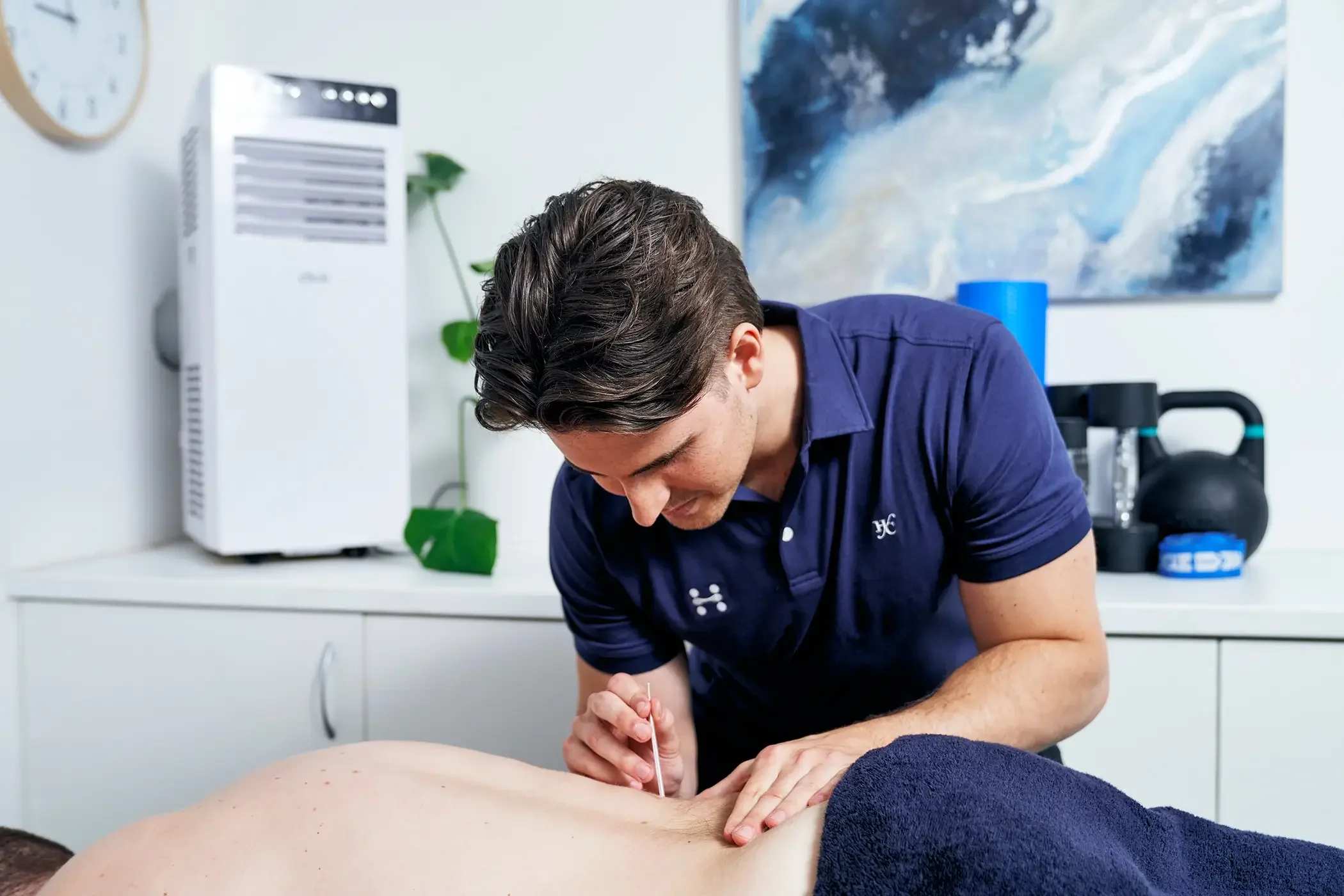
Dry Needling
Thin needles can target specific areas of muscular tension, providing another treatment option when stubborn tightness is contributing to discomfort or limiting how you move.
-
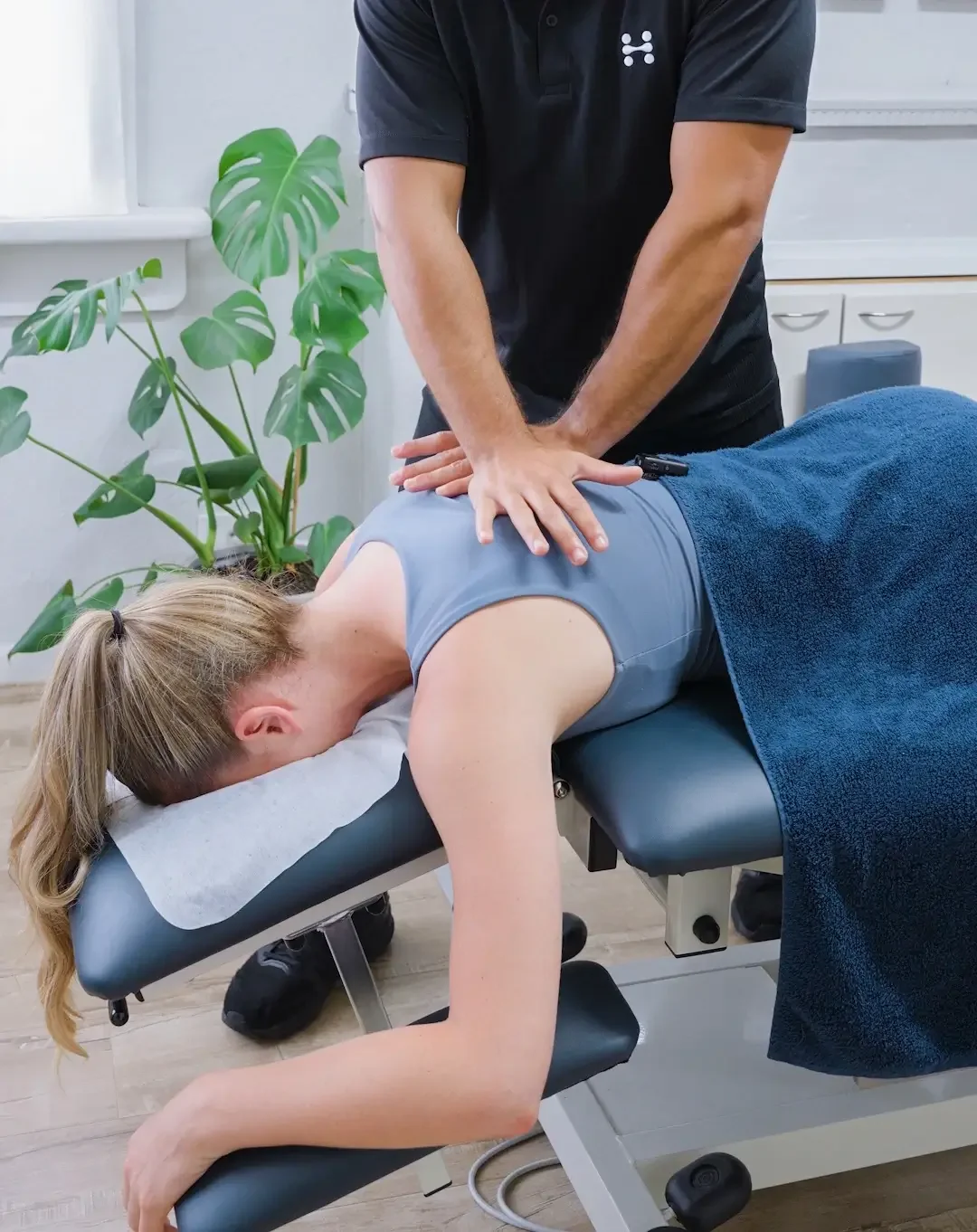
![A person lying face down on a chiropractic or massage table, receiving a massage or chiropractic adjustment from a practitioner in a room with a plant.]()
Adjustments
A quick, precise technique may be applied to a suitable joint to improve restricted movement when an adjustment is considered appropriate for your treatment.
-
![]()
Exercise Therapy
Specific exercises may be included to develop mobility, strength or control, giving you a practical way to continue working on your recovery safely at home.
-
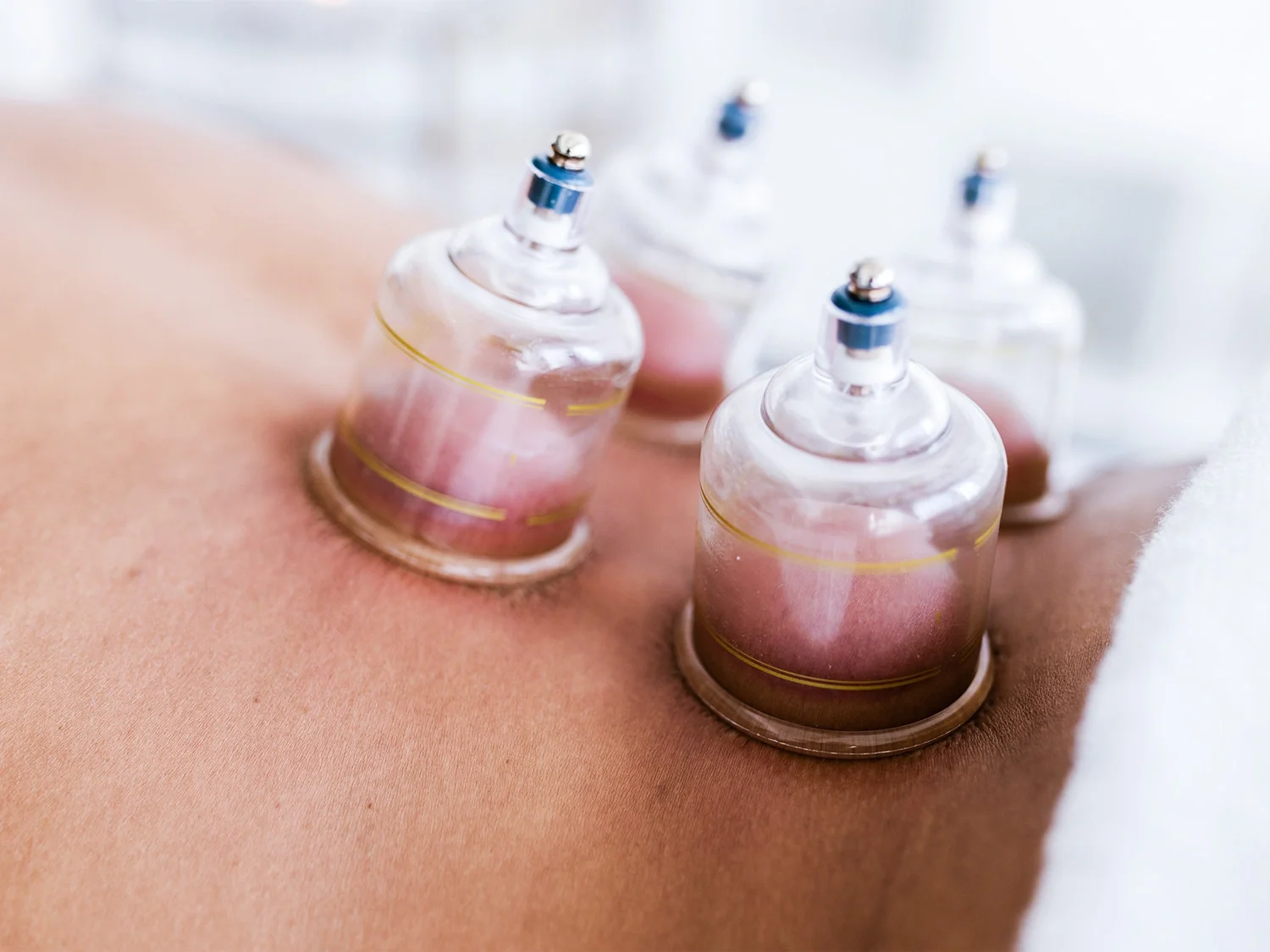
![Cupping therapy with glass cups on a person's back creating suction.]()
Cupping
Suction cups can be placed over selected muscles and soft tissues as an additional hands-on option when an area feels tense, tired or particularly overloaded physically.



Ready to move freely again?
Why choose us for osteo in Thornbury?
-

Pain-free living, not endless appointments.
Our goal is to help you make meaningful progress without relying on ongoing appointments. We’ll give you useful strategies to keep working on your body between visits.
-

Hands-on care from your very first appointment.
We make your initial visit count. Once the required assessment is complete, appropriate hands-on care can begin so you can start working towards improvement straight away.
-
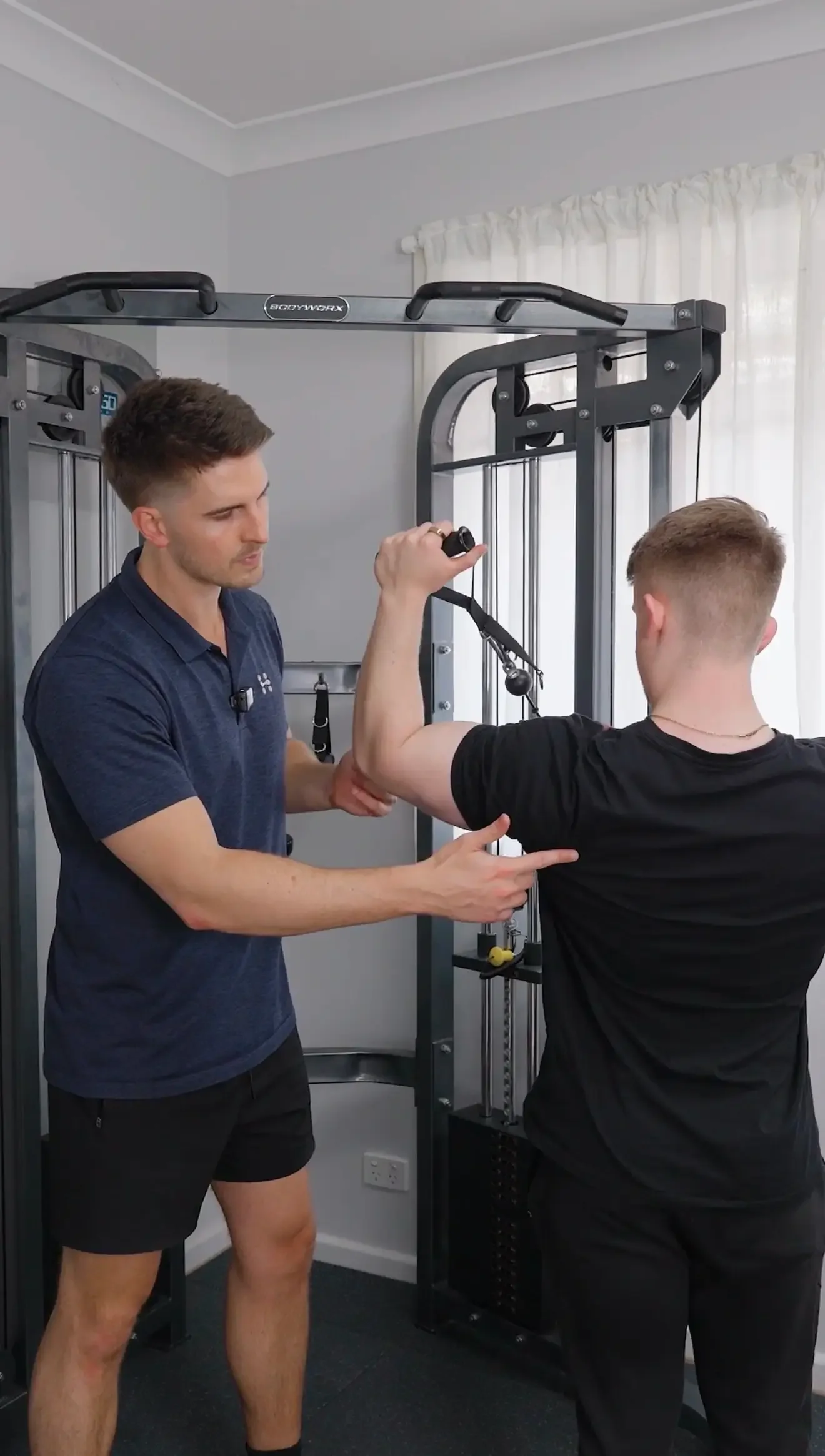
Direct access to a fully equipped gym.
Our gym gives you the chance to learn your exercises properly before heading home. We can check your technique and make sure each movement feels right for you.






Meet Our Osteo Thornbury Team
Good care starts with understanding the person behind the symptoms. Our Thornbury patients receive individual attention, clear explanations and treatment guided by what we find during their assessment.
Our practitioners have completed five years of university education, with extensive study in anatomy, physiology, biomechanics, pathology and hands-on osteopathic care.
That clinical training helps us assess musculoskeletal concerns carefully and choose treatment techniques that are appropriate for your presentation, comfort and goals.
We’re committed to providing Thornbury locals with professional, evidence-informed care, practical guidance and a clear plan for making meaningful progress.
We treat the source, not just the symptom.
Where you feel pain isn’t always the whole story. We look at how different parts of your body are moving and responding to everyday demands.
This helps us work out what may be contributing and where treatment could help make movement easier without creating extra strain.
Hands-on treatment, practical advice, and suitable rehabilitation can then work together to help you keep moving forward with more confidence.
Osteo Thornbury FAQ
-
Yes. Physically demanding jobs can place repeated stress on muscles and joints. Your osteopath can assess which areas are being overloaded and recommend treatment, movement changes or exercises that suit the demands of your work.
-
You don’t necessarily need to wait for an injury to become severe. If soreness, swelling or restricted movement isn’t settling as expected, an assessment can help clarify what’s happening and how to manage your return to activity.
-
Recurring tightness can have several contributing factors, including training load, recovery, mobility, and how your body handles particular movements. We can assess the area and help identify what may be keeping it irritated.
-
If prolonged sitting aggravates your muscles or joints, we can assess your movement and the areas under strain. Treatment may be combined with practical changes to how you sit, move and break up your day.
-
Wear something comfortable that allows you to move easily. Depending on the area being assessed, your osteopath may need to observe certain movements or access the affected region, and they’ll explain this during your appointment.
-
That depends on your symptoms and the type of activity you’re doing. In many cases, training can be modified rather than stopped completely. Your osteopath can advise what’s appropriate based on your assessment and recovery.