Rated 5.0 by 300+ locals.Osteo Sciatica: Targeted Care for Lasting Relief and Comfort
Struggling with sharp lower-back pain or radiating leg discomfort? Our osteopaths provide targeted sciatica treatment to ease nerve irritation, improve mobility, and support long-term recovery. Book now!

Let’s fix your sciatica pain.
Whether it’s a compressed nerve, a lumbar disc issue, or tight muscles pulling on the lower back and hips, sciatica can make everyday movements feel frustrating and uncomfortable.
The good news? Relief is possible. At Heidelberg Osteopaths, we work with people experiencing all types of sciatic nerve pain, from sudden flare-ups to long-term discomfort caused by lingering back or pelvic issues.
Our approach to osteopathy for sciatica focuses on identifying the underlying cause, improving alignment and mobility, and reducing pressure on the nerve so your body can heal more naturally and efficiently.
If you’re ready to walk, sit, and move without that familiar radiating pain, book an appointment today. We’re here to help you get back to feeling your best.

Sciatica explained.
Sciatica is a common condition that can develop gradually or suddenly, often caused by nerve compression, spinal changes, or tight muscles in the lower back or hips. Here are the essentials to know:
-
Sciatica occurs when the sciatic nerve becomes irritated or compressed. Common causes include:
Lumbar disc bulge or herniation
Tight glute or hip muscles
Pelvic or lower-back misalignment
Prolonged sitting
Improper lifting
Degenerative spinal changes
Pregnancy-related posture changes
Inflammation around the nerve
Weak core or back muscles
-
Symptoms can vary depending on the nerve irritation. Typical signs include:
Sharp or shooting leg pain
Lower-back discomfort
Tingling or numbness
Pain with sitting or bending
Leg weakness
Difficulty standing or walking comfortably
-
Sciatica is often linked to issues such as:
Disc bulges
Piriformis syndrome
Spinal stenosis
Sacroiliac joint dysfunction
Degenerative disc disease
Postural imbalances
-
Our osteopath will assess what is aggravating the sciatic nerve and tailor treatment to your needs.
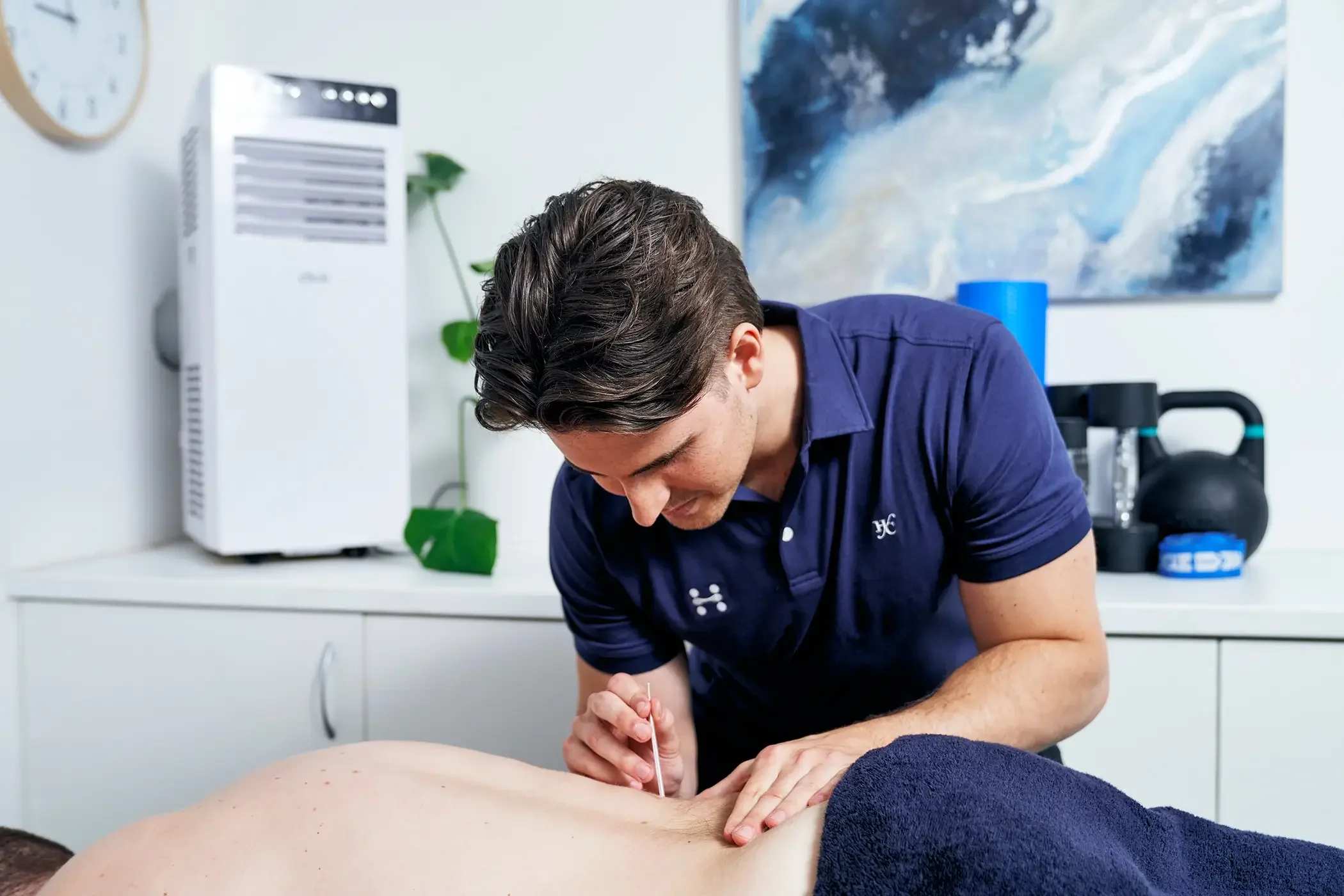
Care for osteopathy for sciatica may include gentle hands-on techniques to release tension, improve joint movement, and support better alignment. You may also receive advice on posture, movement habits, and exercises to reduce flare-ups.
The goal is to relieve pain and improve mobility. With support from an experienced osteopath sciatica clinician, many people regain comfortable, confident movement.An osteopath will assess what is aggravating the sciatic nerve and tailor treatment to your needs.
Care for osteopathy for sciatica may include gentle hands-on techniques to release tension, improve joint movement, and support better alignment. You may also receive advice on posture, movement habits, and exercises to reduce flare-ups.
The goal is to relieve pain and improve mobility. With support from an experienced osteopath sciatica clinician, many people regain comfortable, confident movement.

Your sciatica recovery is our priority.
With extensive clinical experience, our osteopaths have supported people from all walks of life, from active individuals to busy professionals, in reducing sciatica pain, improving mobility, and restoring natural movement patterns.
Every session is tailored to your needs, using a combination of hands-on techniques, targeted exercises, and practical guidance that helps calm the sciatic nerve and reduce the likelihood of future flare-ups.
Our focus is simple: ease your discomfort, improve the way your body moves, and help you return to daily activities with confidence. Book your appointment today and take the first step toward long-lasting relief with expert osteopathy for sciatica care.
Osteopath Sciatica FAQ
-
Sciatica refers to pain caused by irritation or compression of the sciatic nerve. An osteopath can assess what is triggering the nerve and use hands-on treatment to reduce tension, improve alignment, and support better movement.
-
Osteopathy for sciatica typically includes gentle manual techniques, mobility work, muscle release, and personalised exercises. The aim is to reduce nerve pressure, ease discomfort, and help the body move more freely.
-
Sciatica often presents as sharp or radiating pain down the leg, numbness, tingling, or weakness.
If your symptoms travel from the lower back or hip down the leg, an osteopath can assess whether the sciatic nerve is involved.
-
Yes, an osteopath focuses on identifying what is irritating the sciatic nerve, whether it is a disc issue, tight muscles, or pelvic alignment.
Treatment aims to address the underlying cause rather than just the symptoms.
-
The number of sessions depends on the severity and cause of your pain.
Many people notice improvement within a few visits, while chronic or more complex cases may need a longer treatment plan.
-
Yes, osteopathy is generally safe for long-term or intense sciatic pain. Your osteopath will tailor the treatment to your condition, ensuring techniques are gentle, comfortable, and appropriate.
-
Sciatica can return if the contributing factors are not addressed. Your osteopath will guide you on posture, movement habits, and strengthening exercises to help lower the risk of flare-ups.