Rated 5.0 by 300+ locals.Osteopath Tennis Elbow: Get Back to Doing What You Enjoy
Dealing with pain on the outside of your elbow that's making work, sport, or everyday tasks difficult? Our experienced osteopaths provide personalised care to help you move better and feel your best.
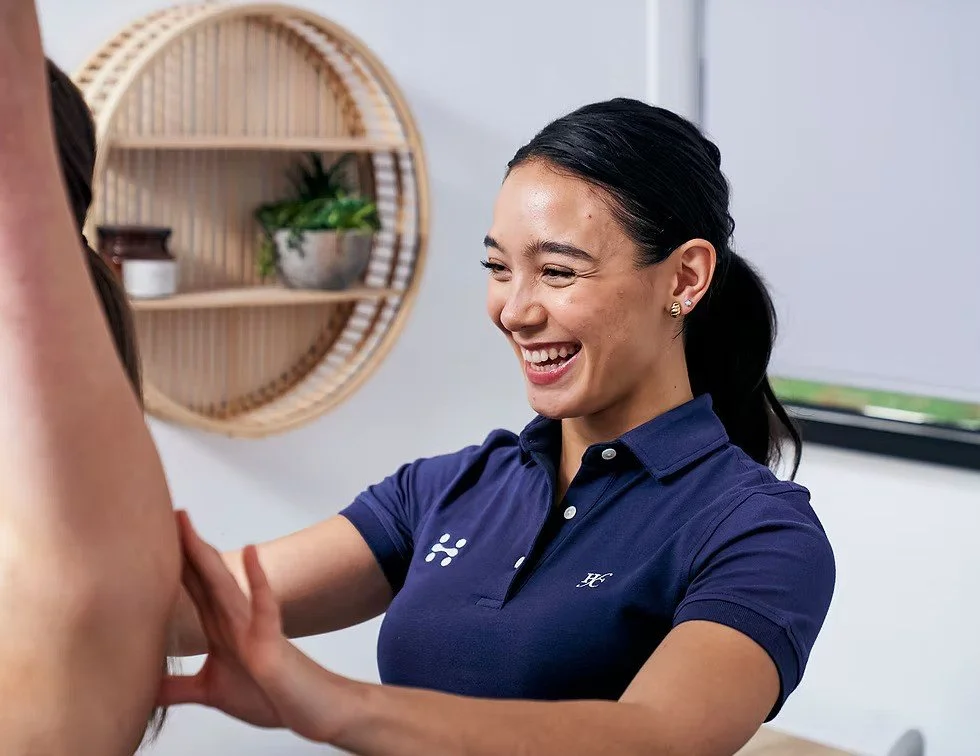
Let's help relieve your tennis elbow.
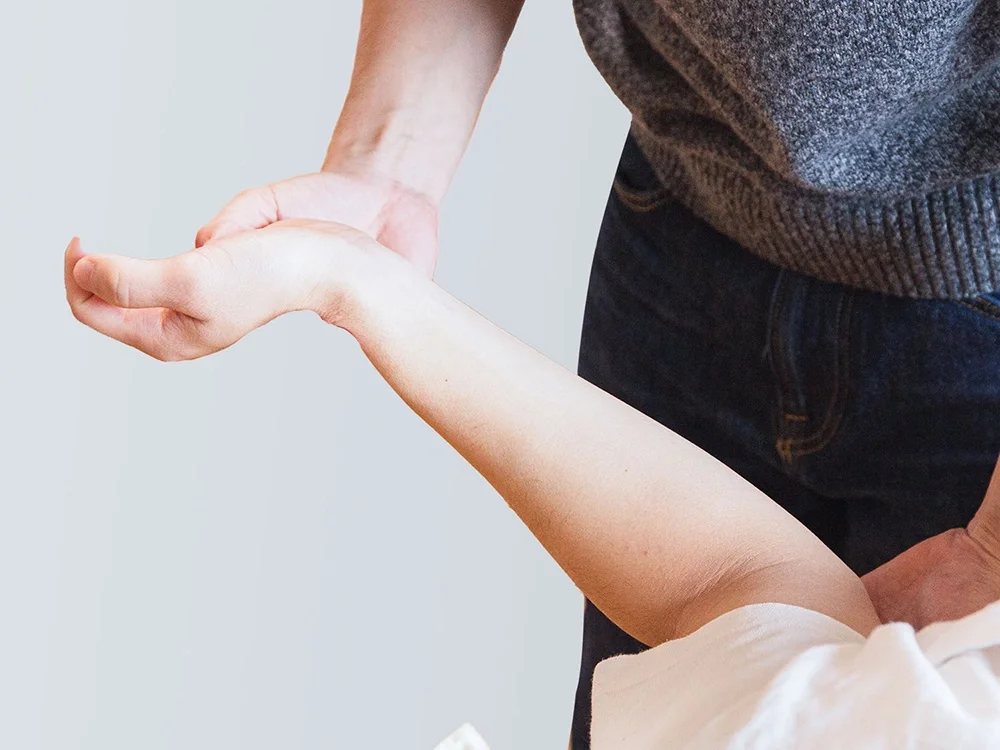
Tennis elbow, also known as lateral epicondylitis, is an overuse condition affecting the tendons on the outside of the elbow. It can make gripping, lifting, twisting, or even simple daily activities painful.
By assessing how your elbow, wrist, and shoulder work together, we can identify what's placing extra strain on the tendon and develop a treatment plan that suits your needs.
At Heidelberg Osteopaths, treatment focuses on improving tendon capacity, restoring strength, and helping you return to everyday activities with greater comfort and confidence.
If you're ready to use your arm with less pain and greater ease, book an appointment today. We're here to support your recovery.
Tennis elbow explained.
Tennis elbow is an overuse injury that affects the tendons on the outside of the elbow, causing pain during gripping, lifting, and everyday tasks. Early assessment can help guide the right treatment.
-
Tennis elbow develops when the forearm tendons are repeatedly overloaded, leading to small areas of tendon irritation over time.
Although it's commonly associated with racquet sports, it frequently affects people whose work or hobbies involve repetitive gripping or lifting. Common contributing factors include:
Repetitive gripping or lifting
Racquet sports
Repetitive manual work
Poor lifting technique
Sudden increases in activity
Weak forearm muscles
Repetitive wrist movements
Reduced shoulder or wrist strength
-
Symptoms usually develop gradually and may become more noticeable during everyday activities. Common signs include:
Pain on the outside of the elbow
Tenderness over the elbow
Pain when gripping objects
Weak grip strength
Pain when lifting or twisting
Forearm tightness
Discomfort during sport or manual work
-
Several conditions can produce symptoms similar to tennis elbow, so a thorough assessment is important. These may include:
Golfer's elbow
Elbow joint arthritis
Tendon tears
Radial tunnel syndrome
Neck-related nerve pain
Referred shoulder pain
-
Tennis elbow is often caused by repetitive strain on the tendons around the elbow. Treatment focuses on reducing irritation while improving strength and function.
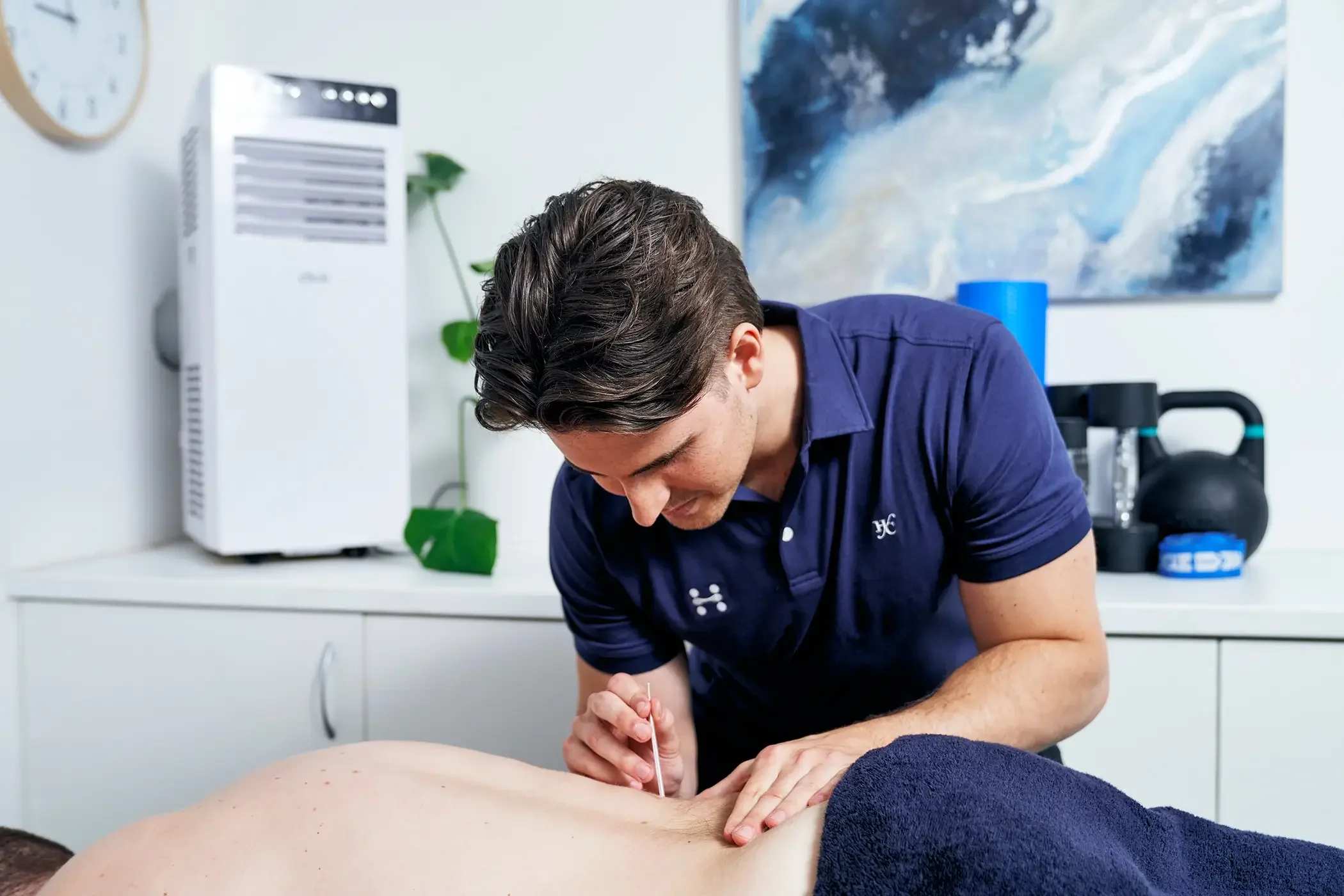
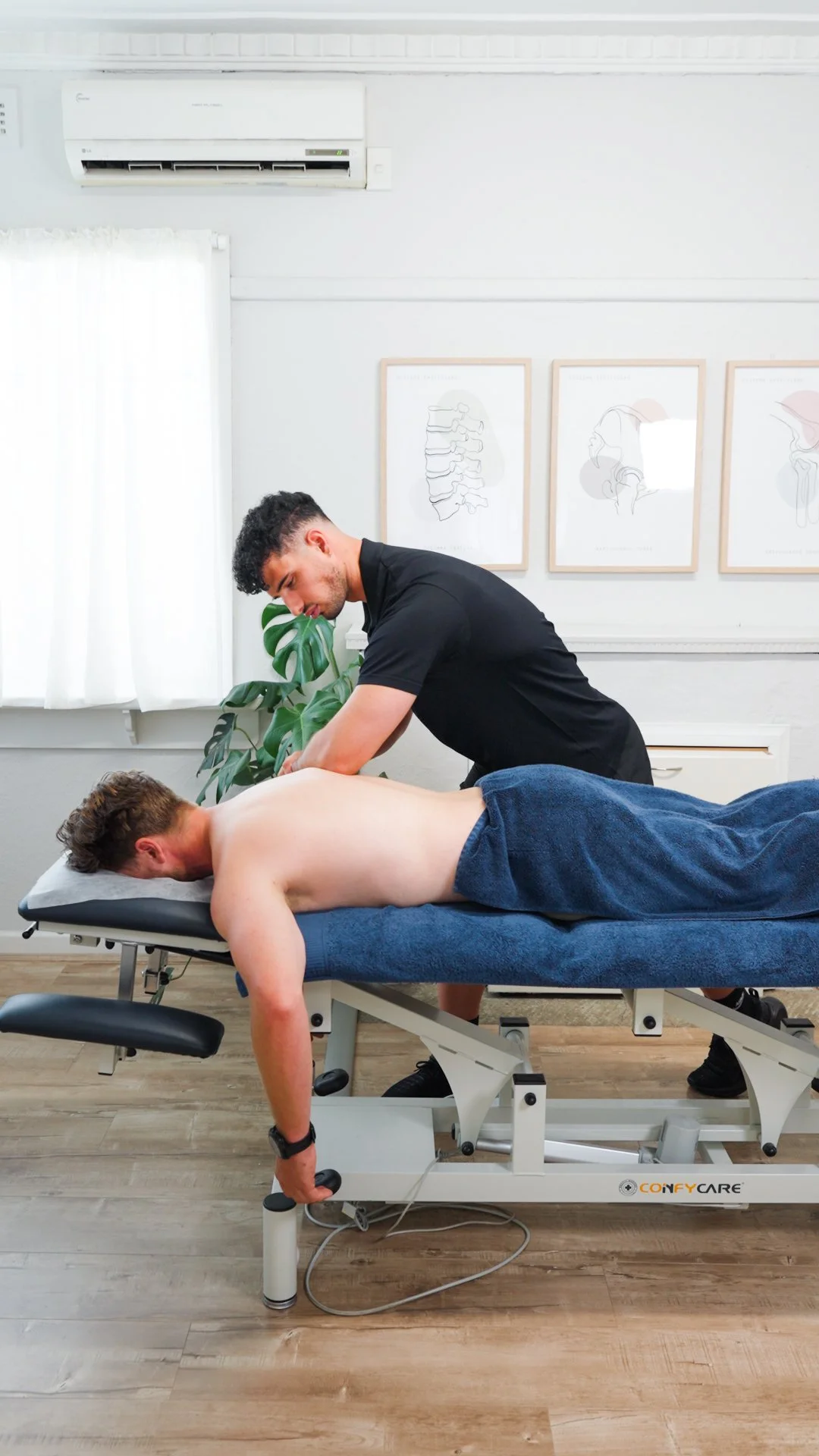
Your osteopath will assess your elbow, wrist, and shoulder to identify factors contributing to your symptoms. Treatment may include hands-on techniques, soft tissue therapy, and progressive exercises to support recovery.
We'll also provide practical advice to help you manage daily activities, reduce strain on the tendon, and lower the risk of future flare-ups.
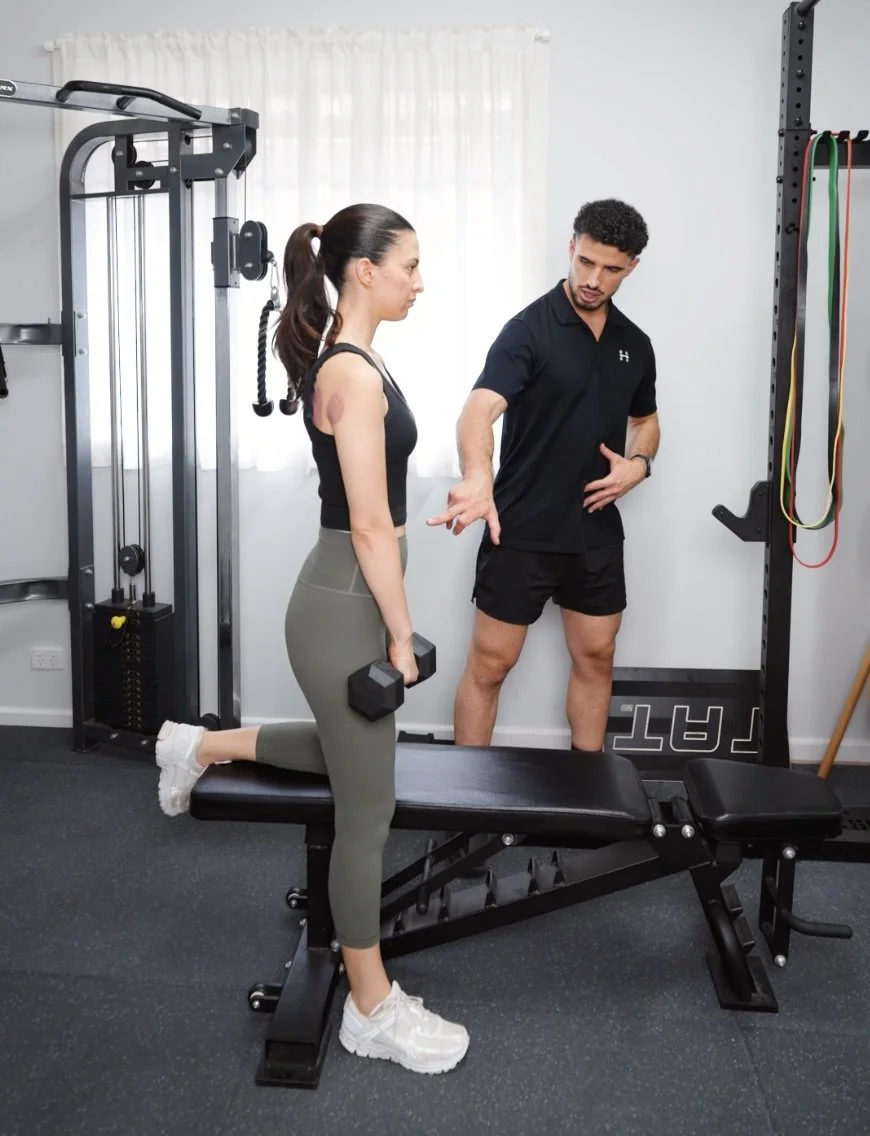
Your recovery is our priority.
Recovering from tennis elbow takes more than simply waiting for the pain to settle. We focus on helping you gradually rebuild strength, improve tendon capacity, and return to the activities that matter most to you.
Throughout your care, we'll monitor your progress and adjust your treatment as your symptoms improve. As your elbow becomes stronger and more resilient, we'll continue progressing your rehabilitation to support long-term results.
Whether your goal is returning to work, getting back into the gym, or simply lifting everyday items comfortably again, we'll provide the guidance and treatment to help you get there.
Osteopath Tennis Elbow FAQ
-
In many cases, yes. You may need to temporarily modify exercises that aggravate your elbow while continuing with movements that don't increase your symptoms. Your osteopath can guide you on what to avoid and when to progress.
-
Tennis elbow can become persistent if the tendon continues to be overloaded without enough time to recover. An osteopath can assess what's contributing to your symptoms and recommend treatment, activity modifications, and exercises to support healing.
-
No. Most people with tennis elbow don't play tennis. It's commonly caused by repetitive gripping, lifting, manual work, gardening, gym training, or prolonged computer use.
-
Recovery varies depending on how severe the tendon irritation is and how long it's been present. With appropriate treatment and rehabilitation, many people gradually notice improvements over time.
-
Try to reduce activities that repeatedly aggravate your symptoms, such as heavy gripping, repetitive lifting, or forceful twisting. Your osteopath can suggest practical ways to keep active while protecting the tendon.
-
It can if the underlying causes aren't addressed. Improving strength, movement, and load management can help reduce the risk of symptoms returning once you've recovered.