Rated 5.0 by 300+ locals.Osteopath Frozen Shoulder: Get Your Shoulder Moving Pain-Free
Finding it difficult to lift your arm, reach overhead, or sleep because of shoulder pain? Our experienced osteopaths provide personalised treatment to reduce pain, improve movement, and support your recovery.

Let's help improve your shoulder pain.
Frozen shoulder, also known as adhesive capsulitis, is a common cause of shoulder pain that causes the shoulder capsule to become stiff and painful, making everyday movements like reaching, dressing, or sleeping more difficult.
At Heidelberg Osteopaths, we assess how your shoulder is moving, identify factors contributing to your symptoms, and develop a treatment plan tailored to your stage of recovery.
Our osteopathic approach aims to improve joint mobility, reduce muscle tension, encourage healthy movement, and support your body's natural healing process while helping restore shoulder function over time.
If you're ready to move with less pain and greater confidence, book an appointment today. We're here to help you regain comfortable shoulder movement.

Frozen shoulder explained.
Frozen shoulder is one of the most common causes of shoulder pain, occurring when the shoulder capsule becomes tight and stiff. Understanding the condition is the first step towards effective treatment.
-
Frozen shoulder develops when the connective tissue around the shoulder joint becomes inflamed and progressively stiff. While the exact cause isn't always clear, it commonly occurs after periods of reduced shoulder movement or following injury. Contributing factors may include:
Shoulder injury or trauma
Previous shoulder surgery
Prolonged arm immobilisation
Diabetes
Thyroid conditions
Age between 40 and 60 years
Previous episodes of frozen shoulder
Inflammatory changes within the joint capsule
-
Frozen shoulder symptoms usually develop gradually and often progress through different stages. Common signs include:
Persistent shoulder pain
Progressive stiffness
Difficulty lifting the arm overhead
Pain when reaching behind your back
Limited range of shoulder movement
Night pain affecting sleep
Difficulty with dressing or daily activities
-
Several shoulder conditions can produce similar symptoms, making an accurate assessment important. These may include:
Rotator cuff injuries
Shoulder bursitis
Shoulder impingement
Arthritis of the shoulder
Calcific tendinopathy
Cervical spine referral
Labral injuries
-
An osteopath for frozen shoulder focuses on improving shoulder mobility while helping manage pain throughout each stage of recovery.
Following a thorough assessment, your osteopath will develop a treatment plan based on your symptoms, movement restrictions, and stage of frozen shoulder.
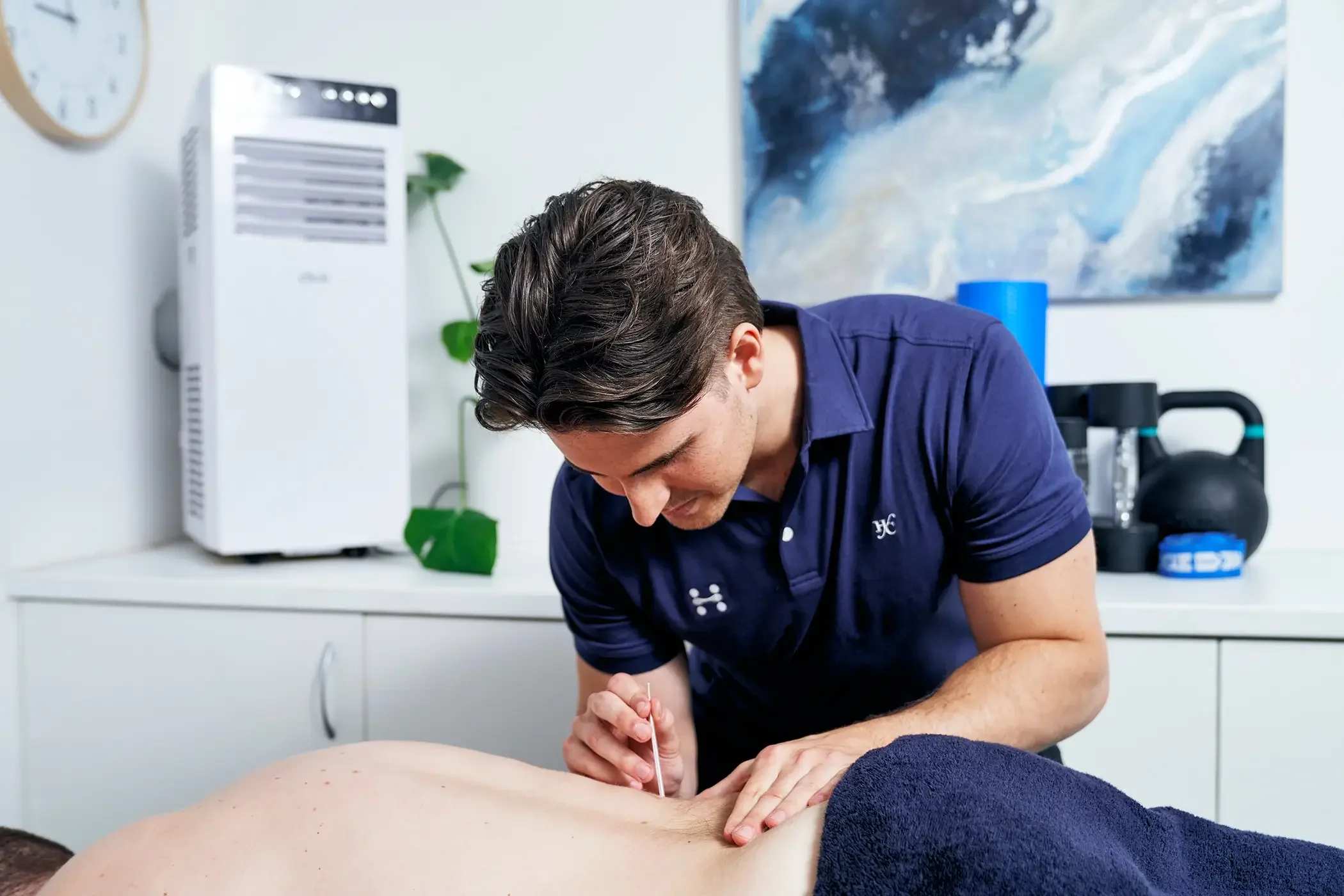
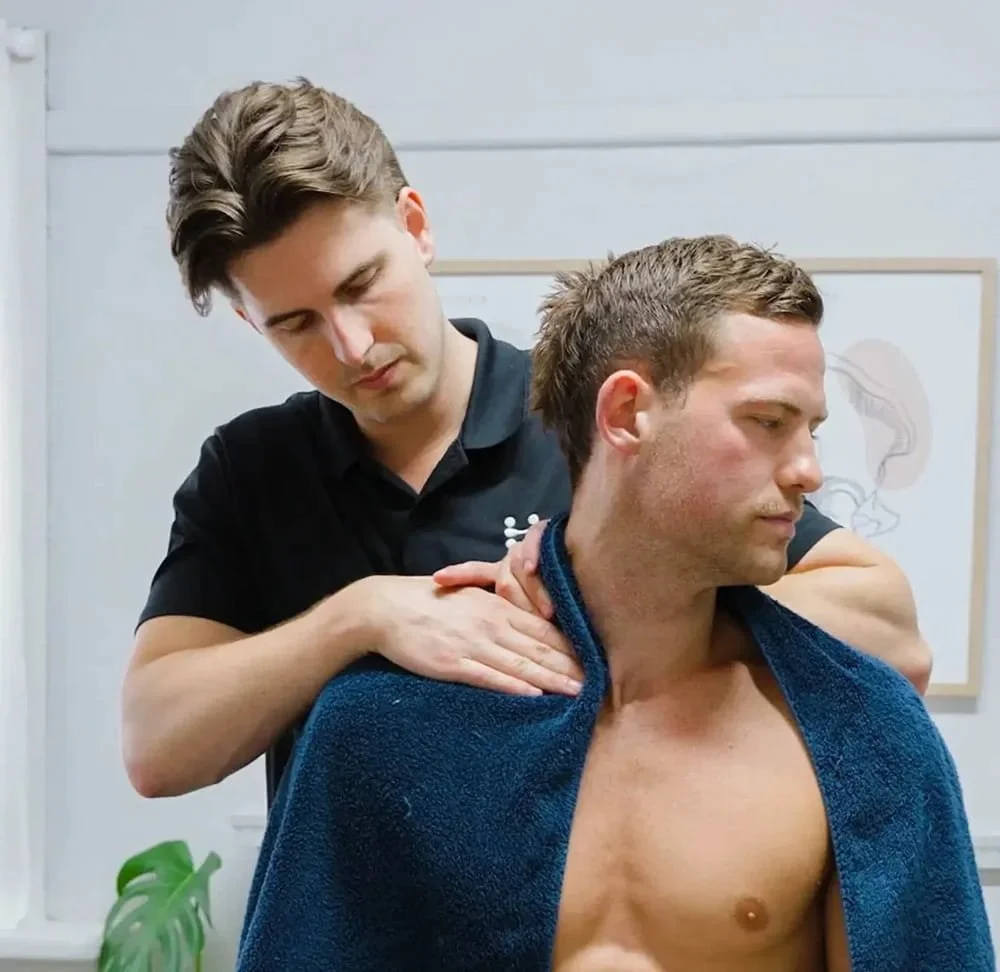
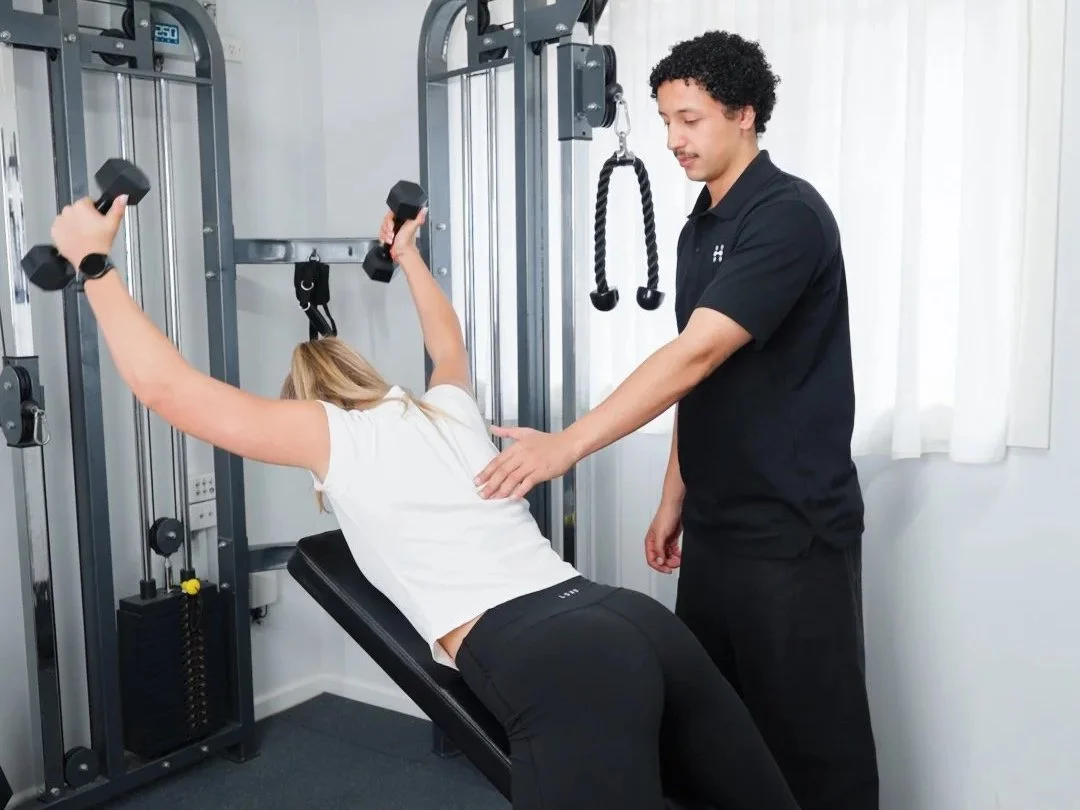
Treatment may include gentle joint mobilisation, soft tissue techniques, stretching, and exercises designed to gradually restore shoulder movement without aggravating the condition.
You'll also receive practical advice to help manage symptoms at home, improve shoulder function, and support your recovery over time.
Your recovery is our priority.
Our osteopaths have helped many people manage shoulder pain, from the early painful stage through to restoring movement as the shoulder gradually recovers.
Every treatment plan is tailored to your symptoms, stage of recovery, and individual goals. Depending on your needs, your care may include hands-on osteopathic treatment, gentle mobility exercises, and practical advice to help improve shoulder function and support your recovery.
Our goal is to reduce pain, improve shoulder movement, and help you regain confidence using your arm in everyday life. Book your appointment today and take the next step towards moving more comfortably.
Osteopath Frozen Shoulder FAQ
-
Yes. Osteopathy may help reduce pain, improve shoulder mobility, and support recovery from frozen shoulder or general shoulder pain. Treatment is tailored to your symptoms and the stage of your condition, with the aim of gradually restoring movement while keeping you as comfortable as possible.
-
Your first appointment includes a discussion about your symptoms, medical history, and how your shoulder is affecting your daily activities. Your osteopath will assess your shoulder movement before explaining your findings and beginning treatment where appropriate.
-
Frozen shoulder often develops and resolves over several stages, with recovery commonly taking months rather than weeks. While everyone's recovery is different, treatment aims to improve movement, manage pain, and support your progress throughout each stage.
-
Treatment is adapted to your comfort level and the stage of your frozen shoulder. Because the shoulder can be quite sensitive, your osteopath will use techniques that encourage movement without unnecessarily aggravating your symptoms.
-
In many cases, yes. Your osteopath may recommend gentle mobility or stretching exercises to help maintain shoulder movement and complement your treatment. These will be selected to suit your stage of recovery.
-
Most people only experience frozen shoulder once in the affected shoulder, although it can occasionally develop in the opposite shoulder. Following your treatment plan and keeping your shoulder moving as advised may help support your recovery.
-
Shoulder pain isn't always caused by frozen shoulder. Osteopaths also assess and treat other common causes, such as muscle tension, joint restriction, rotator cuff irritation, or overuse. Your treatment plan is tailored to your specific diagnosis.
-
If your shoulder pain has lasted more than a few days, is limiting your movement, or is affecting your sleep or daily activities, it's worth having it assessed to identify the cause and begin appropriate treatment.