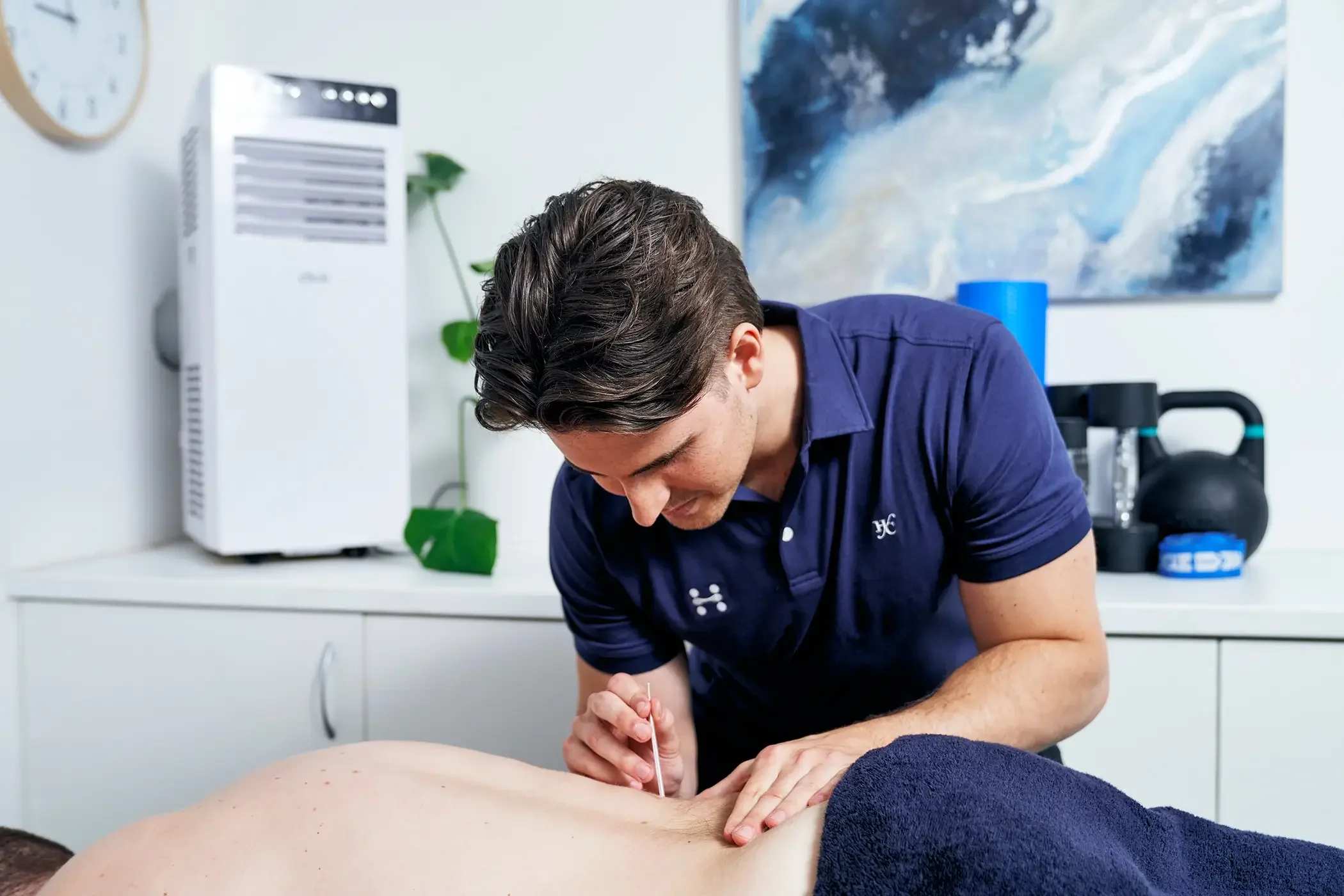
Rated 5.0 by 300+ locals.Osteopath for Knee Pain: Move Freely Again
Dealing with knee pain that's holding you back? Our osteopaths deliver hands-on knee pain treatment to ease discomfort, restore movement, and support your recovery.
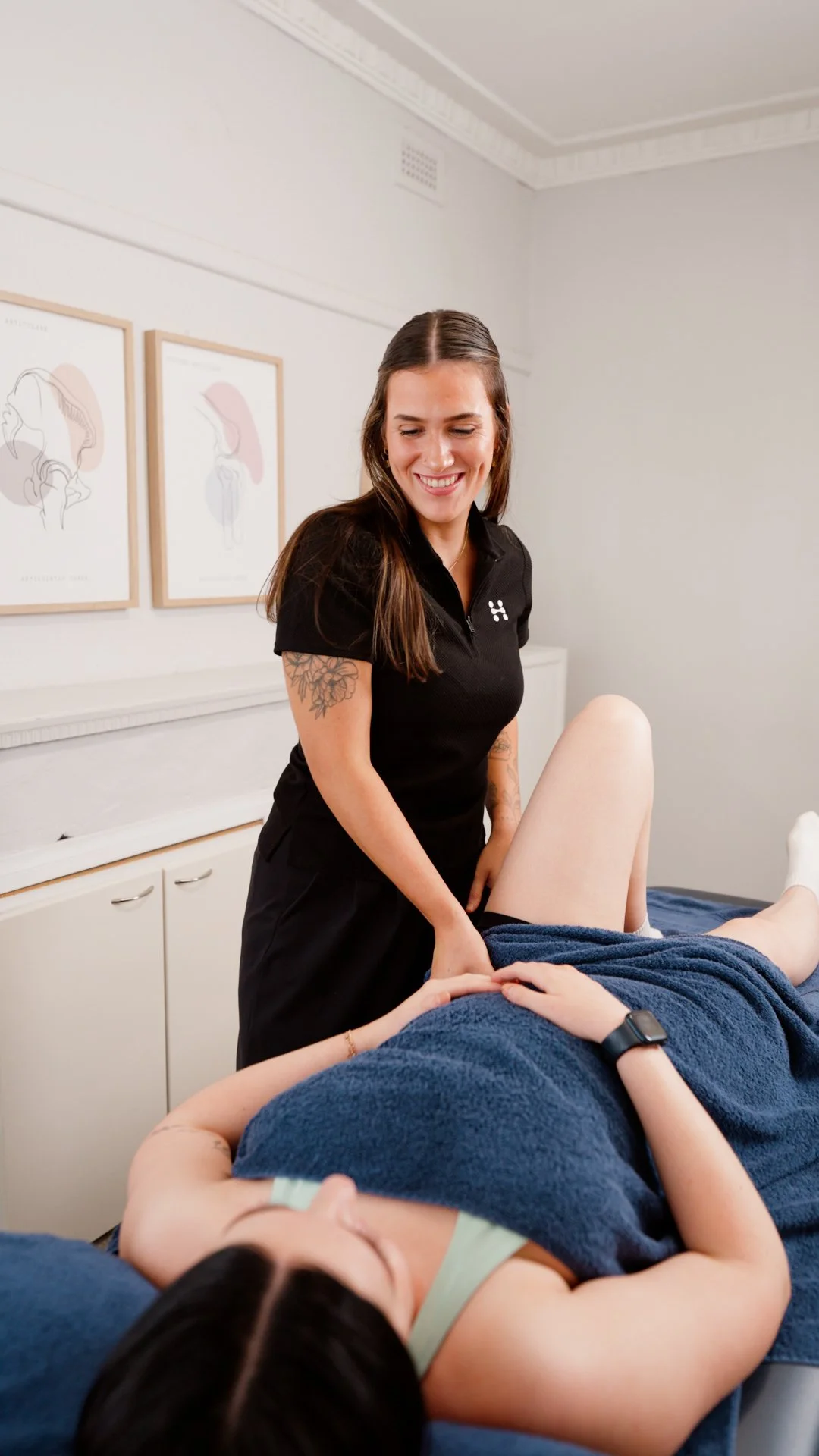
Let’s help you get on top of your knee pain.
Knee pain can develop from overuse, injury, joint irritation, muscle imbalance, or everyday wear and tear. It can make walking, stairs, exercise, or standing uncomfortable.
At Heidelberg Osteopaths, we support people with a range of knee concerns, from recent flare-ups to ongoing discomfort. Our osteopaths assess how your knee is moving and what may be contributing to the problem.
Our osteopathic treatment aims to improve joint mobility, reduce surrounding muscle tension, and support better movement patterns to help your recovery.
If knee pain is getting in the way of daily life, book an appointment with our team and start working toward more comfortable movement.
Knee pain explained.
Knee pain is a common musculoskeletal complaint that can stem from injury, overuse, joint degeneration, or biomechanical imbalances. Pinpointing the underlying cause is essential for effective, lasting relief.
-
Knee pain can stem from injury, overuse, joint irritation, or biomechanical issues affecting how the knee moves and handles load. Common contributing factors include:
Ligament sprains or strains
Cartilage irritation or wear
Patellar tracking issues
Tendon overload or inflammation
Muscle weakness or imbalance
Poor movement mechanics
Repetitive impact from sport or activity
Age-related joint degeneration
-
Knee pain can present in different ways depending on the cause and severity. Common symptoms include:
Aching or discomfort around the knee joint
Sharp pain during movement
Swelling or inflammation
Stiffness, especially after rest
Clicking or grinding sensations
Pain with stairs, squatting, or walking
Reduced confidence putting weight through the leg
Difficulty fully bending or straightening the knee
-
Knee pain is often associated with a range of musculoskeletal conditions, including:
Patellofemoral pain syndrome
Tendon-related knee pain
Ligament sprains
Meniscus irritation or injury
Osteoarthritis
Runner’s knee
Biomechanical movement dysfunction
-
An osteopath takes a whole-body approach to knee pain, looking beyond the joint itself to identify factors that may be affecting movement, stability, and recovery.
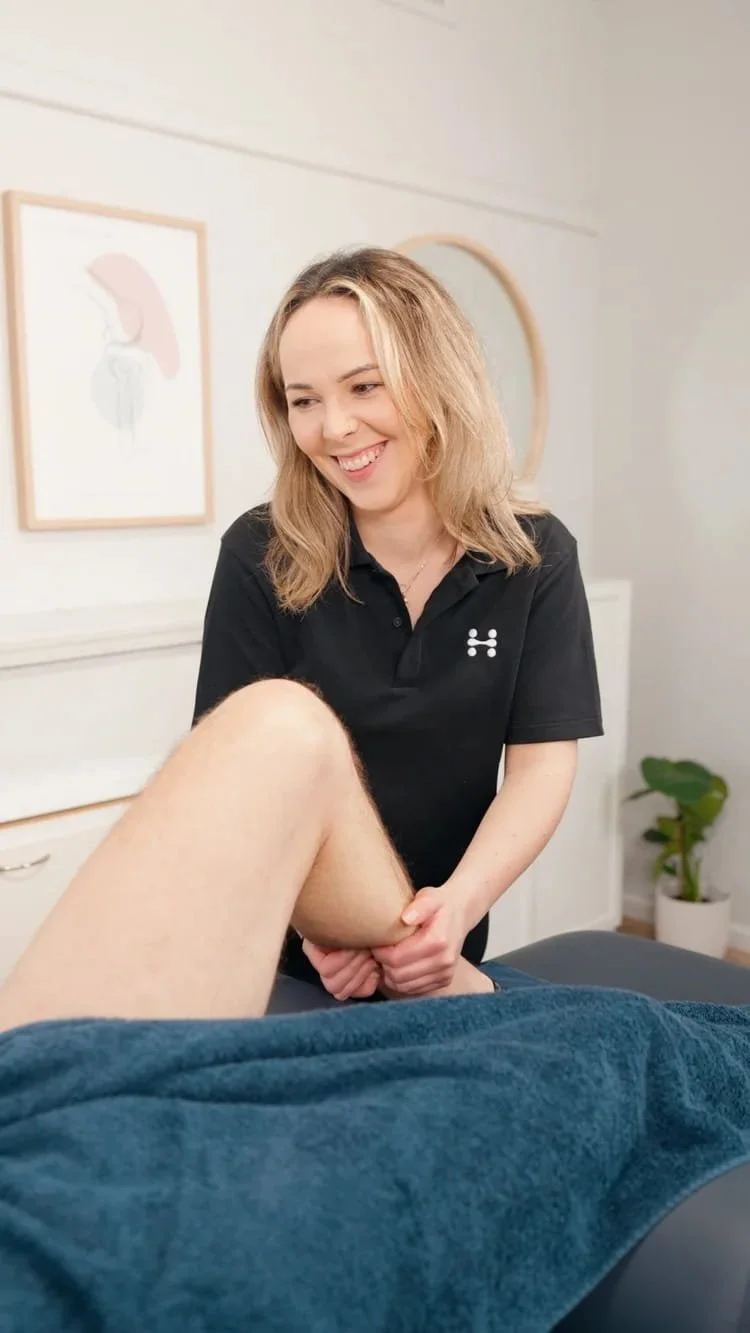
Your osteopath will assess how your knee is functioning, along with surrounding areas such as the hips, ankles, and lower limb mechanics, to understand what may be contributing to your symptoms.
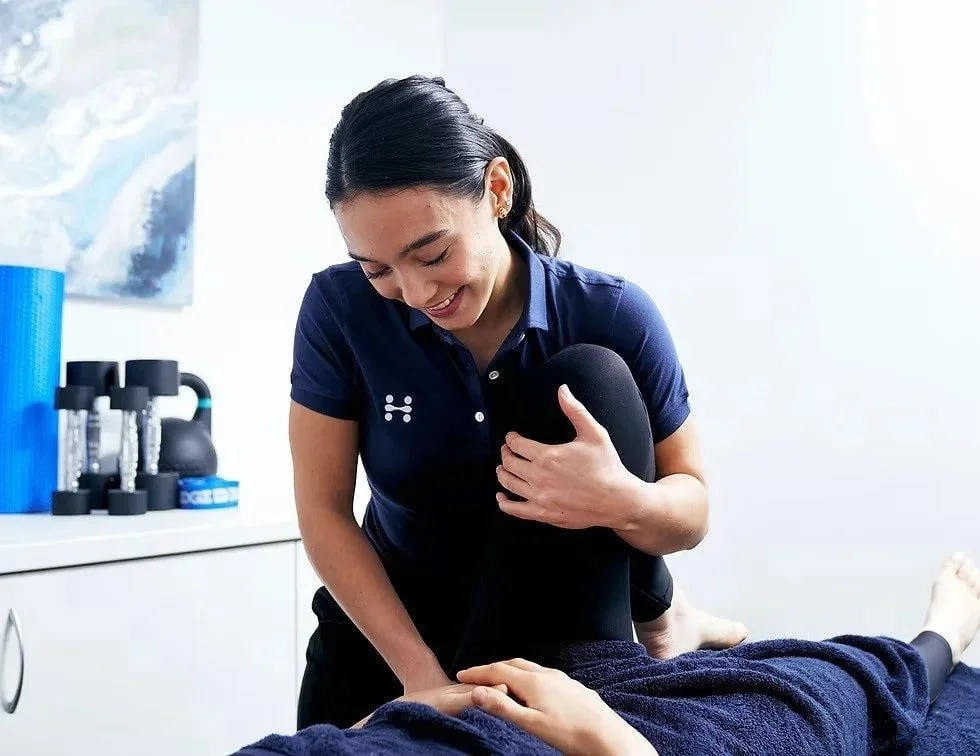
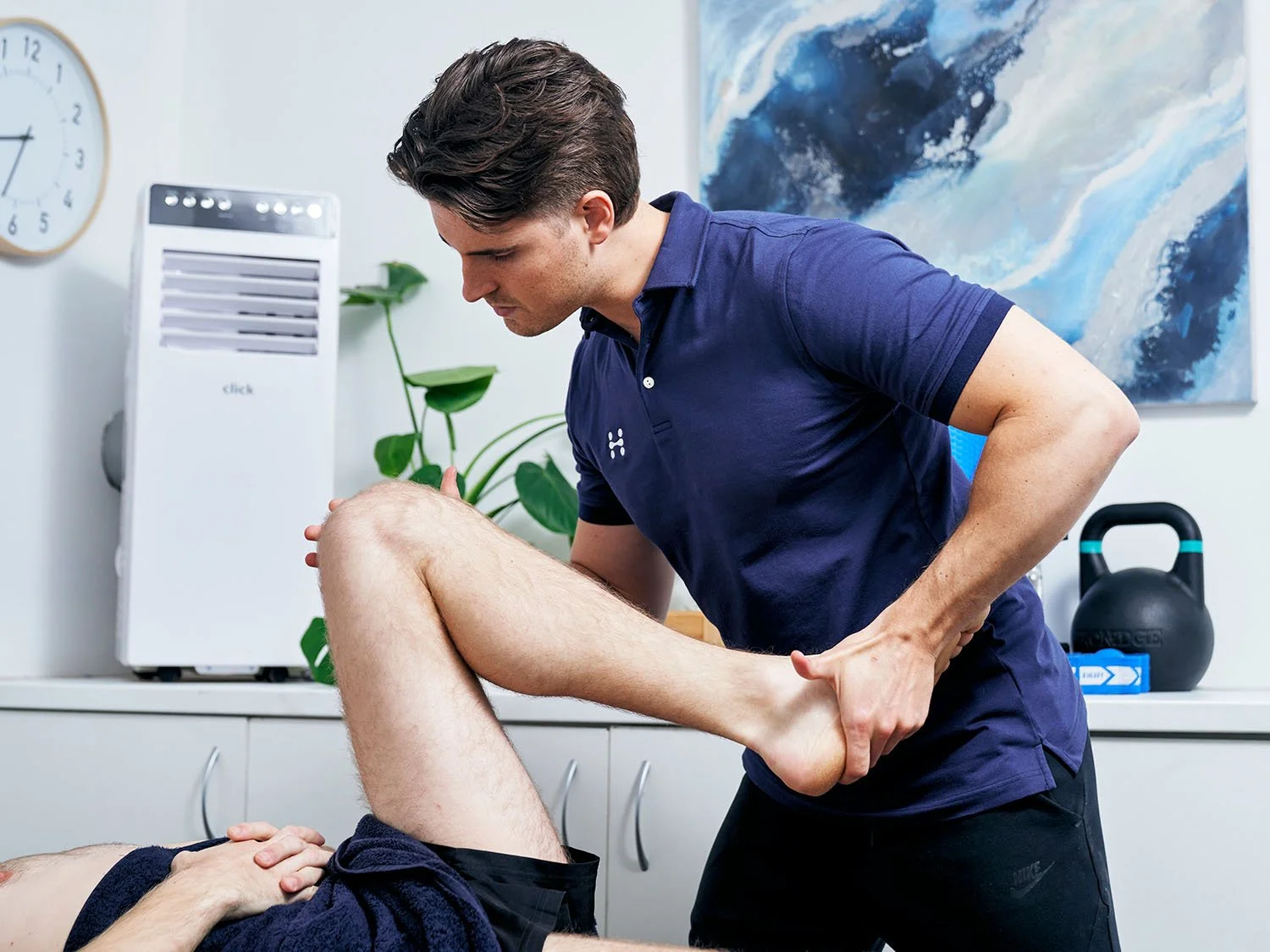
Treatment may include hands-on therapy to improve joint mobility, release muscle tension, and support better movement patterns.
You may also receive tailored advice around activity modification, strengthening exercises, and movement strategies to support recovery and help reduce future flare-ups.
Your knee pain recovery is our priority.
Our osteopaths have supported people with knee pain caused by a range of issues, from sporting injuries and overuse to joint irritation and ongoing wear and tear. Each treatment is tailored to your needs using hands-on care, movement-based treatment, and practical support.
Our approach looks beyond the knee itself. We assess how surrounding areas, such as the hips, lower legs, and movement patterns, may be contributing while working to improve function, reduce discomfort, and support long-term recovery.
Don’t let knee pain affect your daily routine or ability to stay active. Book your appointment today and discover how osteopathic care can help you move with greater comfort and confidence.
Osteopath for Knee Pain FAQ
-
Yes, osteopathy may help with knee pain related to running, sport, or repetitive activity by assessing how your joints, muscles, and movement patterns are affecting the knee. Treatment aims to improve function and reduce strain on the area.
-
Not all knee pain is caused by a specific injury. Gradual onset discomfort can develop from overuse, muscle imbalance, joint irritation, poor biomechanics, or increased load through daily activity or exercise.
-
No. Osteopaths take a broader approach, assessing surrounding areas such as the hips, ankles, lower back, and walking mechanics, as these can all influence how stress is placed through the knee joint.
-
Yes. If your knee feels stiff, restricted, or less mobile, osteopathic treatment may help improve joint movement, reduce surrounding muscle tension, and support better overall function.
-
Pain during stairs, squatting, or bending can sometimes point to issues involving joint loading, tendon irritation, or movement dysfunction. Your osteopath will assess how your knee is moving to better understand the cause.
-
In many cases, yes. Depending on your condition, your osteopath may recommend specific strengthening or mobility exercises to support recovery, improve stability, and help reduce future flare-ups.
-
Osteopathic care can support people dealing with ongoing knee discomfort by addressing contributing factors, improving movement quality, and helping you better manage pain over the long term.