
Best Shoes for Foot Pain and Plantar Fasciitis
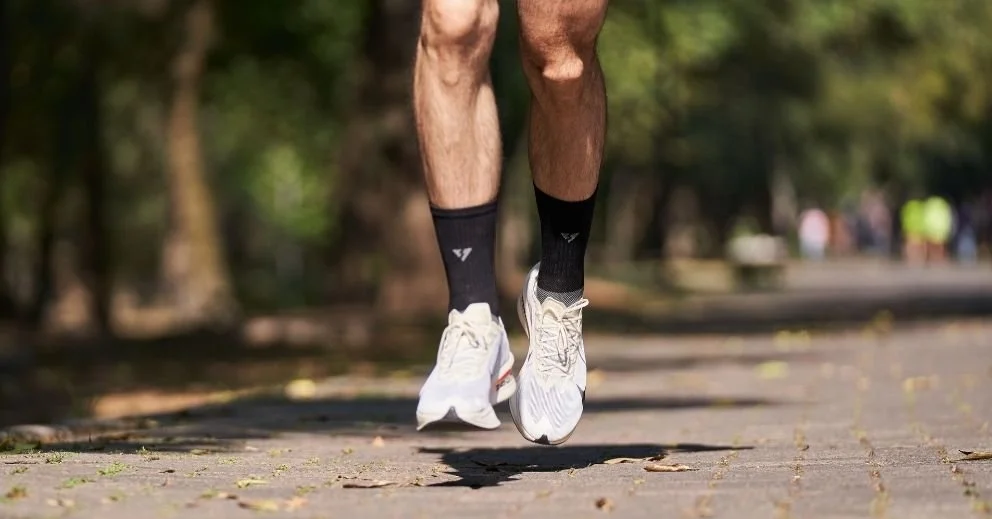
Here's a myth worth busting straight away: the most expensive shoe on the wall isn't automatically the best one for your feet. A lot of people with heel pain or plantar fasciitis walk into a shop, grab the priciest "orthopaedic" looking pair, and assume the job is done.
It isn't quite that simple, and chasing the wrong fix can leave you limping along for months longer than you need to.
TLDR: There's no single "best" shoe for plantar fasciitis, but the right pair shares a few key features: good arch support, a firm heel counter, some cushioning, and a shape that suits your foot. Shoes alone rarely fix the underlying problem either, so pairing the right footwear with proper assessment and treatment usually gets better results than shoes by themselves.
The common misconception about shoes and foot pain
Plenty of people believe that if their feet hurt, they just need "better" shoes and the pain will go away on its own. It's an understandable assumption, but it's not quite accurate.
Shoes can support your feet and reduce strain, but they don't treat the actual tissue irritation causing plantar fasciitis. Think of good footwear as reducing the load on an already inflamed area, not as a cure in itself.
Why "orthopaedic" doesn't always mean right for you
Shoes marketed as orthopaedic or podiatrist-approved aren't automatically suited to every foot. Your arch height, walking pattern, and where your pain sits on the heel or arch all matter.
A shoe that works brilliantly for one person's flat feet might be completely wrong for someone with a high, rigid arch.
Why pain sometimes continues even with "good" shoes
If you've bought supportive shoes and you're still sore, it doesn't mean the shoes failed. It often means there's an underlying biomechanical issue, like tight calves, reduced ankle mobility, or an altered walking pattern, that footwear alone can't correct.
Tight calf muscles pulling on the heel
Reduced ankle flexibility changing your gait
Weak foot and hip muscles altering load distribution
Old injuries changing the way you walk
What actually makes a shoe good for plantar fasciitis
Rather than chasing a brand name, it helps to know what features genuinely make a difference. These apply whether you're after running shoes, work boots, or everyday sneakers.
Arch support and structure
A shoe with built-in arch support helps spread load more evenly across the foot, taking some strain off the plantar fascia. If the shoe has no structure and folds in half easily, it's probably not going to help much.
Heel cushioning and shock absorption
Extra padding under the heel reduces the impact each time your foot strikes the ground. This matters most for people who spend a lot of time on hard floors, like tiled kitchens or concrete warehouse floors.
A firm, supportive heel counter
The heel counter is the stiff part at the back of the shoe that cups your heel. A firm one helps stop your foot rolling inward (overpronating), which is a common contributor to plantar fasciitis flare-ups.
Press the back of the shoe, it shouldn't collapse easily
Look for a snug, secure fit around the heel
Avoid shoes that let your heel slide around
Shoe types and situations worth thinking about
Not everyone needs the same shoe, since daily routines and foot shapes vary a lot. Here's how different needs tend to play out.
Shoes for standing all day at work
If your job has you on your feet for hours, hospitality, retail, nursing, or trades, cushioning and arch support become even more important. Rotating between two pairs of supportive shoes can also help, since no shoe cushions perfectly once it's worn down.
Shoes for walking and exercise
Walking and running shoes designed with motion control or stability features often suit people with plantar fasciitis better than minimalist or barefoot-style shoes. Replacing worn-out exercise shoes regularly matters too, since the cushioning breaks down well before the shoe looks "finished".
Shoes for flat feet versus high arches
Flatter feet generally benefit from firmer stability shoes that control excess rolling inward. Higher, more rigid arches usually do better with extra cushioning to absorb shock, since they don't naturally flex as much.
When shoes alone aren't solving the problem
If you've swapped your shoes, added inserts, and you're still waking up with that sharp first-step heel pain, it's worth getting the actual cause looked at. Plantar fasciitis can be linked to tightness further up the leg, joint stiffness in the foot or ankle, or how your whole body moves when you walk.
An osteopath can assess your gait, check mobility through your ankles, knees, and hips, and work out what's actually driving the strain on your plantar fascia. From there, treatment might involve hands-on work, mobility exercises, and practical advice on footwear and activity modification, rather than guessing which shoe might help.
This kind of whole-body assessment is often the missing piece for people who've tried shoe after shoe without lasting relief.
Everyday habits that affect plantar fasciitis alongside footwear
Stretching and mobility
Calf and foot stretches, done consistently, can ease tension that pulls on the plantar fascia. A few minutes morning and night often makes more difference than people expect.
Surfaces and activity levels
Walking long distances on hard pavement or concrete day after day adds up over time. Varying your surfaces where possible, and easing into new exercise routines gradually, reduces unnecessary strain.
Weight-bearing changes and footwear transitions
Switching suddenly from supportive shoes to thongs, slides, or barefoot walking around the house can undo a lot of the good your shoes are doing during the day. Keeping some support on, even indoors, during a flare-up often helps symptoms settle faster.
Getting proper support for lasting relief
Good shoes are a genuinely useful part of managing plantar fasciitis, but they work best alongside an understanding of what's actually causing your pain. If you've been stuck in a cycle of new shoes and ongoing discomfort, the team at Heidelberg Osteo can assess your gait, mobility, and overall movement to get a clearer picture of what's going on.
It's a practical next step for anyone wanting more than a guess at which shoe might finally help. Get in touch today to set up an appointment.
Key Takeaways
There's no single "best" shoe, the right one depends on your foot shape and walking pattern
Look for arch support, heel cushioning, and a firm heel counter
Shoes reduce strain but don't fix the underlying cause of plantar fasciitis
Tight calves, stiff ankles, and gait changes often contribute to ongoing pain
An osteopath can assess the whole picture, not just recommend a shoe
Consistent stretching and avoiding unsupportive footwear indoors supports recovery
FAQ
How long does it usually take for the right shoes to make a difference?
Some people notice less discomfort within a couple of weeks of switching to more supportive shoes. For others, especially if the plantar fasciitis has been going on for months, it can take longer and shoes alone may not be enough.
Do I need custom orthotics or will over-the-counter inserts do the job?
Over-the-counter inserts work well for many people with mild to moderate symptoms. Custom orthotics tend to be more useful for unusual foot shapes or when standard inserts haven't helped after a genuine trial.
Can wearing the wrong shoes actually cause plantar fasciitis in the first place?
Footwear with little support, worn-out cushioning, or poor heel structure can contribute to developing plantar fasciitis over time, particularly combined with being on your feet a lot. It's rarely the only cause though, as muscle tightness and biomechanics usually play a role too.
Is it okay to keep exercising while dealing with plantar fasciitis?
Low-impact activity like swimming or cycling is often fine and can help you stay active without aggravating things. High-impact activities like running may need to be reduced or modified until symptoms settle.
When should I see someone about it rather than just trying different shoes?
If the pain has lasted more than a few weeks, keeps returning, or is affecting your sleep or daily activities, it's worth getting it properly assessed. An osteopath can identify what's actually driving the pain rather than you cycling through shoe after shoe.