
What Is Osteopathy and How Can It Help with Pain?
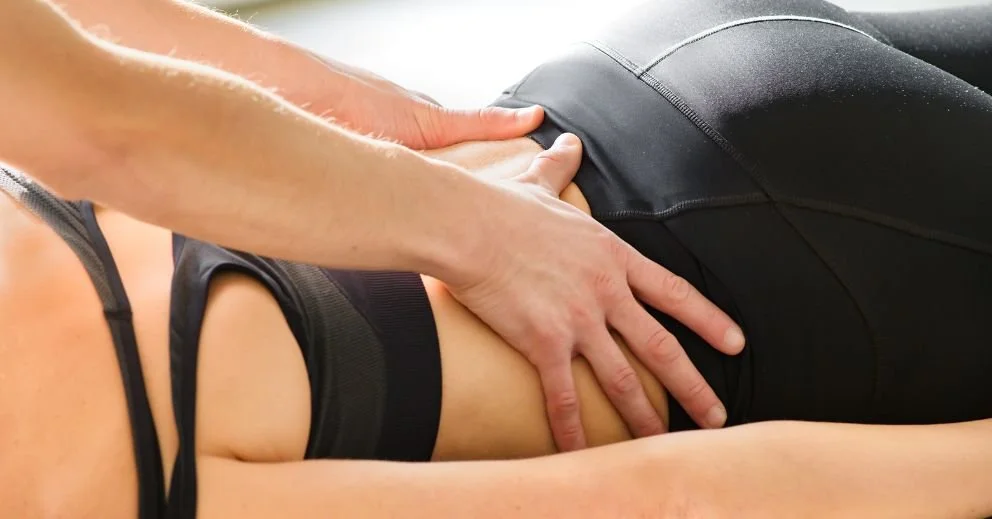
If you are dealing with ongoing pain, stiffness, or injury, you may have heard about osteopathy but are not quite sure what it involves. Osteopathy is a hands-on healthcare approach that focuses on how your body moves, functions, and heals as a whole. Rather than treating symptoms in isolation, osteopaths look for the underlying causes of pain and work to restore balance and movement.
Whether your pain is new or something you have lived with for years, osteopathy can be a gentle and effective way to support recovery and improve how your body feels day to day.
Summary: Osteopathy is a form of manual therapy that helps relieve pain, improve movement, and support the body’s natural healing process. By assessing how muscles, joints, and connective tissues work together, osteopaths aim to treat the root cause of pain rather than just managing symptoms. It is commonly used for back pain, neck pain, sports injuries, headaches, and ongoing muscle tension.
Summarise This Article in ChatGPT
What Is Osteopathy?
Osteopathy is a healthcare approach that uses hands-on techniques to improve the way your body moves and functions. Osteopaths believe that when the body is well aligned and moving properly, it can heal and regulate itself more effectively.
An osteopath looks at how your muscles, joints, ligaments, nerves, and posture work together. Pain in one area is often linked to issues elsewhere in the body, which is why osteopathy focuses on the whole system rather than one sore spot.
Osteopathy does not rely on medication or surgery. Instead, treatment aims to improve mobility, reduce strain, and help your body recover naturally.
How Osteopathy Helps with Pain
Pain often develops when parts of the body are under too much strain, moving poorly, or compensating for an injury. Osteopathy helps by improving movement and reducing stress on affected areas.
Osteopathic treatment can help with pain by:
Improving joint mobility so movement feels easier and less restricted
Reducing muscle tension and stiffness
Supporting better posture and movement patterns
Increasing blood flow to injured or tight areas
Helping the nervous system function more smoothly
By addressing these factors, osteopathy can reduce pain and help prevent it from returning.
Common Conditions Osteopathy Can Treat
Osteopathy is commonly used to help with a wide range of musculoskeletal issues, including:
Back pain and sciatica
Neck pain and shoulder tension
Headaches and migraines
Sports and exercise-related injuries
Hip, knee, and ankle pain
Postural strain from work or daily activities
Ongoing muscle tightness or stiffness
Many people also seek osteopathic care after an injury to support recovery and reduce the risk of future problems.
What Happens During an Osteopathy Appointment?
Your first osteopathy appointment usually begins with a detailed discussion about your pain, health history, and lifestyle. This helps the osteopath understand what may be contributing to your symptoms.
The osteopath will then assess how your body moves, looking at posture, joint mobility, muscle tension, and areas of restriction. Treatment is tailored to your specific needs and may involve gentle hands-on techniques to improve movement and ease discomfort.
You may also be given simple advice or exercises to help support your recovery between sessions.
Is Osteopathy Safe?
Osteopathy is considered a safe and gentle treatment option when provided by a qualified osteopath. Techniques are adapted to suit your age, condition, and comfort level.
If something is not suitable for you, your osteopath will adjust the treatment or refer you to another health professional if needed. Clear communication is always encouraged, so you feel comfortable and informed throughout your care.
How Long Does It Take to See Results?
Everyone responds differently to treatment. Some people notice improvements after their first session, while others may need a few appointments to feel lasting change.
Factors that can influence recovery time include:
How long you have had the pain
The cause and severity of the issue
Your daily activities and movement habits
How well you follow any advice or exercises provided
Your osteopath will discuss realistic expectations and help guide you through the recovery process.
Ready to move with less pain and more confidence?
Living with pain can affect every part of your life, from work and exercise to sleep and mood. Osteopathy offers a practical, hands-on approach that focuses on helping your body move better, recover faster, and feel more comfortable in everyday life.
If pain is holding you back, addressing the underlying cause can make a real difference. Get in touch and book a consultation now.
Key Takeaways
Osteopathy focuses on treating the whole body, not just the painful area.
It can help reduce pain, improve movement, and support natural healing.
Osteopathy is commonly used for back pain, neck pain, headaches, and injuries.
Treatment is hands-on, personalised, and designed to suit your body and needs.
Seeing an osteopath can help both relieve pain and prevent future issues.
FAQ
Do I need a referral to see an osteopath?
No referral is needed. You can book directly with an osteopath.
Is osteopathy painful?
Treatment is generally gentle. Some areas may feel slightly tender, but techniques are adapted to your comfort level.
Can osteopathy help with long-term pain?
Yes. Osteopathy can be helpful for both recent injuries and long-standing pain by addressing movement patterns and underlying strain.
How many sessions will I need?
This varies from person to person. Some people improve quickly, while others may need ongoing care depending on their condition.
Get key takeaways with ChatGPT
