
What Is the Difference Between an Osteopath and a Chiropractor?
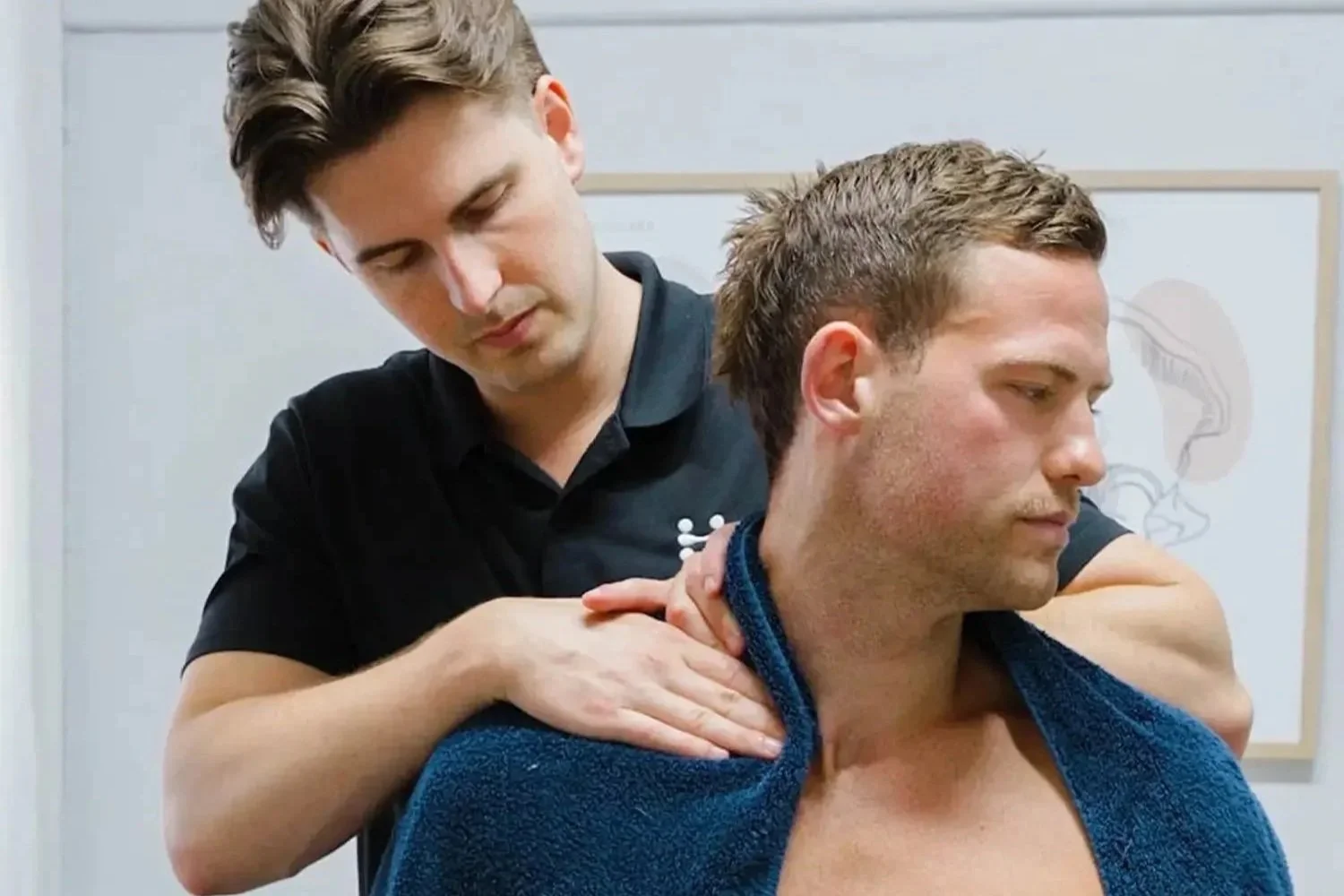
If you have back pain, headaches, muscle tightness or ongoing stiffness, you have probably wondered whether to see an osteopath or a chiropractor.
Both work with the body to reduce pain and improve movement, but the way they assess and treat you can feel very different. Although their work sometimes overlaps, osteopathy offers a broader approach that looks at how the whole body functions, not just the area that hurts.
Below is a simple breakdown of what osteopaths do, the techniques they use and how this compares to chiropractic care. This will help you understand the key differences and when an osteopath may be the right choice for you.
Read this Blog Summary in ChatGPT
What an Osteopath Does
Osteopathy focuses on how the muscles, joints, nerves and connective tissues all work together. Osteopaths take a whole body approach. They look beyond your symptoms to understand how different areas of your body may be contributing to your pain.
For example, if you visit an osteopath for lower back pain, they may also assess your hips, pelvis, posture, mid back and movement patterns. The aim is to address the underlying cause rather than only treating the sore spot.
Common reasons people see an osteopath
Back or neck pain
Headaches related to muscle tension or posture
Shoulder or hip discomfort
Sports injuries
Pregnancy related pain
Movement restrictions
Muscle tightness or ongoing stiffness
Osteopathy is gentle, hands on and focused on restoring balance throughout the body.
Techniques Osteopaths Commonly Use
Osteopaths use a wide range of hands on techniques that suit all ages and comfort levels. Treatment is always tailored to what your body responds to best.
Soft tissue techniques: Gentle muscle release work that eases tension and improves circulation.
Joint mobilisation: Slow, controlled movements that help restore natural joint motion.
Stretching: Used to reduce tightness and support better movement.
Muscle energy techniques: A combination of gentle contractions and stretching that helps reset movement patterns.
Myofascial release: Focused work on the connective tissues that support the muscles.
Cranial osteopathy: Very light pressure techniques aimed at calming the nervous system. Helpful for people who prefer a more gentle approach.
How a Chiropractor Works
Chiropractors focus more directly on joint alignment, especially in the spine. A key part of chiropractic care is the spinal adjustment. This involves a quick movement applied to a joint to improve alignment and reduce nerve irritation.
People often see a chiropractor for back pain, neck pain, headaches and postural issues. While some chiropractors use soft tissue techniques, spinal adjustments remain the primary method of treatment.
Key Differences Between an Osteopath and a Chiropractor
Treatment style
Osteopaths use a broad range of techniques that work through the whole body. Treatment is gentle, steady and focused on improving movement and muscle balance.
Chiropractors focus more on spinal adjustments and direct joint correction.
Assessment
Osteopaths assess the entire body to understand how different areas contribute to pain.
Chiropractors focus more on joint alignment and spinal mechanics.
Focus of treatment
Osteopathy aims to restore healthy movement, ease muscle tension and support overall function.
Chiropractic care aims to improve joint alignment to reduce pressure on the nervous system.
Choosing the Right Practitioner
Most people choose an osteopath when they want a gentler, full body approach that looks at how muscles, joints and posture work together. Osteopathy is ideal if your pain is linked to movement patterns, daily habits or muscle tension.
Treatment is hands on, slow paced and tailored to your comfort. This makes it suitable for people of all ages, including children and older adults, as well as anyone who prefers a holistic and whole body style of care.
Some people choose a chiropractor when they prefer a faster, more direct treatment style focused on spinal adjustments. This approach can work well for people who respond to quick joint corrections or who have pain linked to spinal alignment or nerve irritation.
Why Choose Heidelberg Osteopaths
At Heidelberg Osteopaths, the focus is on understanding the full picture behind your pain. Every appointment begins with a detailed assessment so you understand what is happening in your body and why it is causing discomfort.
Treatment is gentle, hands on and tailored to your individual needs. The goal is to help improve your movement, reduce pain and support long term recovery, not just provide temporary relief.
If you are unsure whether osteopathy is right for you, the team is always happy to discuss your symptoms and guide you toward the best next step.
Get key takeaways with ChatGPT
