
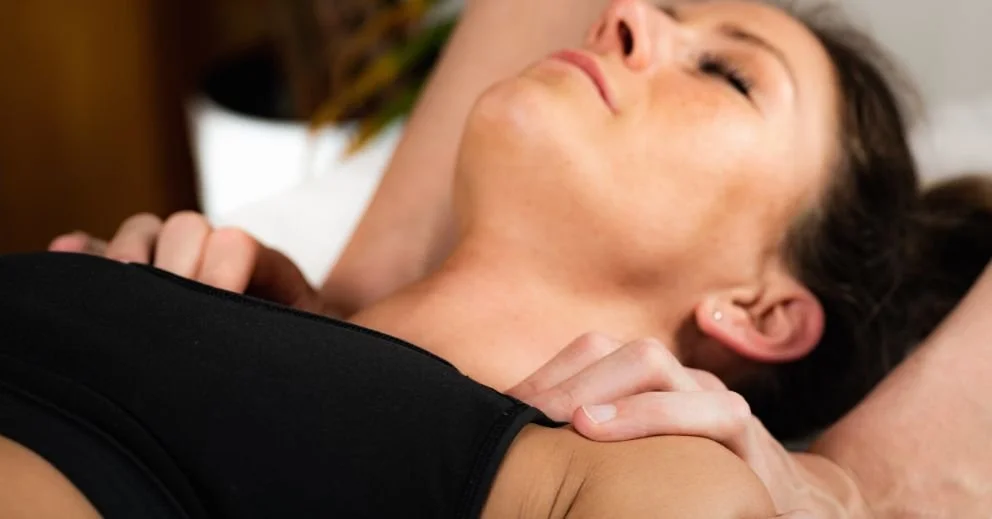
Booking your first osteopathy appointment can feel like a step into the unknown. You might wonder what questions you’ll be asked, what treatment involves, or what to wear.
Knowing what to expect before, during and after your visit can help you feel more comfortable and prepared.
TLDR: An osteopathy session usually starts with a chat about your symptoms and health history, followed by a physical assessment and hands-on treatment using techniques like soft tissue massage, joint mobilisation, and stretching. Sessions typically run 30 to 45 minutes, and your osteo will usually give you some simple exercises or advice to take home. It's a gentle, hands-on approach aimed at finding the cause of your pain, not just masking the symptom.
Before You Even Lie Down: The Initial Chat
Every osteopathy appointment starts with a conversation, not a treatment table. Your osteo wants to understand what's going on before they touch anything.
What You'll Be Asked
Expect questions about when your pain started, what makes it better or worse, and whether you've had anything similar before. They'll likely ask about your work, sleep, exercise habits, and any past injuries or surgeries.
How long you've had the issue
What triggers or eases the pain
Your general health and medical history
Any medications you're taking
Your daily activity levels and work setup
Why This Step Matters
This isn't small talk. Osteopathy looks at the whole body, not just the sore spot, so understanding your lifestyle and history helps your osteo figure out what's actually driving the problem. A stiff hip, for example, might be linked to how you sit at your desk all day rather than anything that happened at the gym.
The Physical Assessment: What Your Osteo Is Actually Checking
Once the chat's done, your osteo will ask you to move so they can see how your body is functioning. This is usually done in comfortable clothing, so it's worth wearing something you can move freely in.
Movement and Posture Checks
You might be asked to bend, twist, walk, or raise your arms so they can watch how your joints and muscles work together. They're looking for areas of restriction, imbalance, or compensation, not just the spot where it hurts.
Hands-On Assessment
Your osteo will also use their hands to feel for muscle tension, joint stiffness, and areas that aren't moving the way they should. This part is gentle and shouldn't cause pain, though tender spots might feel a little uncomfortable when pressed.
What Osteopathy Treatment Actually Involves
This is the part most people are curious about. Osteopathic treatment is hands-on, but it's not one single technique. It's a mix of approaches chosen based on what your body needs.
Common Techniques Used
Soft tissue massage to ease muscle tension
Joint mobilisation to improve movement and reduce stiffness
Stretching to lengthen tight muscles and improve flexibility
Gentle manipulation, sometimes with a clicking sound, to restore joint motion
Muscle energy techniques, where you actively resist gentle pressure
Does It Hurt?
Most people find osteopathy treatment comfortable, even relaxing. You might feel mild soreness afterwards, a bit like after a solid workout, but sharp pain during treatment isn't normal and you should always tell your osteo if something feels wrong.
Good communication throughout the session matters. Your osteo should be checking in with you, adjusting pressure, and explaining what they're doing as they go.
After Your Osteopathy Appointment
Treatment doesn't just stop when you sit up off the table. What happens next is often just as important as the session itself.
What You Might Feel Afterwards
It's common to feel a bit tired, loose, or mildly sore in the hours after treatment. This usually settles within a day or two. Drinking water and taking it easy for the rest of the day can help.
Take-Home Advice and Exercises
Most osteos will send you off with a couple of simple stretches or exercises to support the work done in the session. They might also suggest changes to your posture, workstation setup, or daily habits.
How Many Sessions You'll Need
This varies a lot depending on what's going on. Some people feel significant improvement after one or two visits, while ongoing or long-standing issues might need a short course of treatment spaced a week or two apart. Your osteo should give you a realistic idea of what to expect rather than locking you into a long plan upfront.
Who Osteopathy Can Help
Osteopathy isn't just for bad backs. It's commonly used for a wide range of musculoskeletal complaints.
Common Reasons People See an Osteo
Back and neck pain
Shoulder and joint stiffness
Headaches linked to neck tension
Postural strain from desk work or driving
Sports-related niggles and overuse injuries
Pregnancy-related aches and pains
If you're not sure whether osteopathy suits your particular issue, it's worth having a chat with a practitioner before you book, either over the phone or during a brief consult.
Thinking About Booking Your First Session?
Understanding what to expect is often the first step toward actually doing something about that nagging pain or stiffness. If you're ready to find out what's going on and get a plan to address it, the team at Heidelberg Osteo can walk you through the process from your very first visit, with straightforward, hands-on osteopathy care.
Key Takeaways
An osteopathy session starts with a detailed conversation about your symptoms and health history
A physical and movement assessment helps pinpoint what's actually causing your pain
Treatment is hands-on and may include soft tissue work, mobilisation, stretching, and gentle manipulation
Mild soreness afterwards is normal, but sharp pain during treatment is not
You'll often leave with simple exercises or advice to support your recovery between visits
The number of sessions needed depends on how long-standing or complex your issue is
FAQ
Do I need a referral to see an osteopath?
No, you don't need a referral from a GP to book an osteopathy appointment in Australia. You can book directly, though some private health funds may have their own requirements for claiming rebates.
What should I wear to an osteopathy session?
Loose, comfortable clothing that allows you to move freely is ideal, such as shorts and a t-shirt or activewear. You may be asked to remove outer layers like jackets or jumpers, but you won't need to undress.
Can osteopathy help if my pain has been going on for years?
Yes, osteopathy can still help with long-standing or chronic pain, though it may take a bit longer to see change compared to a recent injury. Your osteo will assess how your body has adapted over time and build a treatment approach around that.
Is osteopathy safe during pregnancy?
Osteopathy is generally considered safe during pregnancy and is commonly used to manage pregnancy-related back and pelvic discomfort. Techniques are adjusted to suit your stage of pregnancy and comfort level.
Will I need X-rays or scans before treatment?
Not usually. Most musculoskeletal issues can be assessed through the hands-on examination and movement tests an osteo performs in the clinic. If something seems unusual, your osteo may refer you for imaging or to another health professional.