
What Conditions Are Best Treated with Osteopathy?
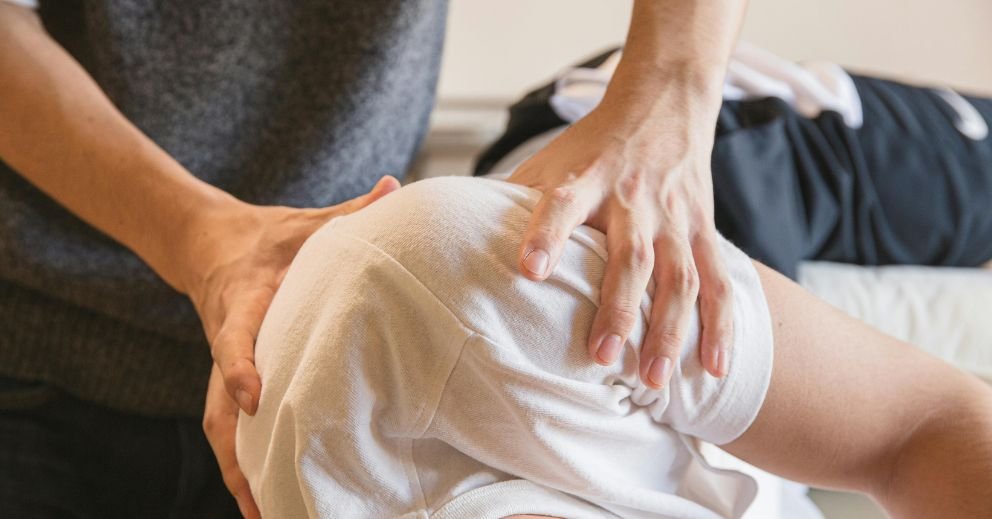
If you’re dealing with ongoing pain, stiffness, or recurring injuries, you’ve probably come across osteopathy as a treatment option. But what exactly does it help with, and is it the right fit for your situation?
Osteopathy is a hands-on approach to healthcare that focuses on how the body’s structure affects movement, function, and overall wellbeing. Rather than just treating symptoms, it looks at the bigger picture, how your muscles, joints, and nervous system all work together.
Summary: Osteopathy is commonly used to treat a wide range of musculoskeletal conditions, including back pain, neck pain, headaches, sports injuries, and joint issues. It can also support recovery from postural strain, workplace injuries, and chronic pain conditions. By using hands-on techniques and a whole-body approach, osteopaths aim to improve movement, reduce pain, and support long-term function. Clinics like Heidelberg Osteopaths focus on personalised care to help patients not only recover but perform at their best in everyday life.
Summarize this article in ChatGPT
What does an osteopath actually treat?
Osteopaths primarily treat conditions related to the musculoskeletal system, which includes muscles, joints, ligaments, and connective tissue.
However, because the body is interconnected, treatment often helps with a broader range of issues than people expect.
Back pain and lower back issues
Back pain is one of the most common reasons people see an osteopath.
This can include:
acute lower back pain
chronic back pain
disc-related issues
stiffness from prolonged sitting
Osteopathic treatment focuses on improving movement, reducing tension, and addressing underlying causes such as posture or muscle imbalance.
Neck pain and stiffness
Neck pain often develops from desk work, poor posture, or stress.
Osteopathy can help with:
reduced neck mobility
muscle tightness
tension from long hours on screens
postural strain
Hands-on techniques aim to release tight areas and restore natural movement.
Headaches and migraines
Many headaches are linked to tension in the neck and upper back.
Osteopathy may help reduce:
tension headaches
cervicogenic headaches (originating from the neck)
frequency and intensity of migraines
By addressing muscle tension and joint restriction, treatment can relieve pressure contributing to headaches.
Sports injuries and active lifestyles
If you’re active, injuries can be part of the journey. Osteopathy is commonly used to support recovery and prevent future issues.
This includes:
muscle strains and sprains
joint injuries
tendon issues
overuse injuries
Treatment often combines hands-on therapy with advice on movement, recovery, and training habits.
Shoulder, hip, and joint pain
Joint pain can affect daily activities and limit your ability to move comfortably.
Osteopathy may help with:
shoulder impingement
hip pain
knee discomfort
general joint stiffness
By improving joint mobility and surrounding muscle function, osteopathy supports better movement patterns.
Postural problems and desk-related pain
Modern lifestyles involve a lot of sitting, which can lead to poor posture and ongoing discomfort.
Common issues include:
rounded shoulders
tight hips
upper back tension
lower back strain
Osteopaths assess how your body moves and provide treatment along with practical advice to improve posture in everyday life.
Chronic pain conditions
For people dealing with long-term pain, osteopathy can be part of a broader management plan.
While it may not “cure” chronic conditions, it can help:
reduce pain levels
improve mobility
support daily function
enhance quality of life
Treatment is usually tailored and gradual, focusing on sustainable improvement.
Pregnancy-related discomfort
Osteopathy can also support women during pregnancy by addressing physical changes in the body.
This may include:
lower back pain
pelvic discomfort
postural strain
Gentle techniques are used to improve comfort and mobility during this time.
How osteopathy works
Osteopathy uses a range of hands-on techniques designed to support the body’s natural ability to heal.
These may include:
soft tissue massage
stretching and movement techniques
gentle manipulation
Treatment is usually combined with advice on:
posture
exercise
movement habits
injury prevention
The goal is not just short-term relief, but long-term improvement.
Is osteopathy right for you?
Osteopathy can suit a wide range of people, from office workers to athletes to those managing chronic conditions.
It may be a good option if you:
have ongoing muscle or joint pain
feel stiff or restricted in movement
experience recurring injuries
want a hands-on, holistic approach
are looking to improve overall function, not just reduce pain
If you’re unsure, a consultation can help determine whether osteopathy is the right fit for your needs.
Why personalised care makes a difference
No two bodies are the same. That’s why personalised treatment is so important in osteopathy.
At Heidelberg Osteopaths, the focus is on understanding your individual situation, not just your symptoms. By combining clinical expertise with a tailored approach, the team works to deliver real results while keeping care accessible and supportive.
Whether you’re dealing with pain, recovering from injury, or simply wanting to move better, having the right guidance can make all the difference.
Book your appointment today and take the first step towards lasting results.
Key Takeaways
Osteopathy treats a wide range of musculoskeletal conditions
Common issues include back pain, neck pain, headaches, and joint problems
It’s also effective for sports injuries and postural strain
Treatment focuses on improving movement and reducing pain
A personalised approach leads to better long-term results
Osteopathy can support both recovery and overall performance
FAQ
What conditions can osteopathy treat?
Osteopathy commonly treats back pain, neck pain, headaches, joint issues, sports injuries, and postural problems.
Is osteopathy safe?
Yes, osteopathy is generally considered safe when performed by a qualified practitioner. Techniques are adapted to suit each individual.
How many sessions will I need?
This depends on your condition and goals. Some people feel improvement after a few sessions, while others may need ongoing care.
Do I need a referral to see an osteopath?
In most cases, no referral is needed. You can book directly with an osteopath.
Is osteopathy covered by private health insurance?
Many private health funds in Australia offer rebates for osteopathy, depending on your level of cover.
What should I expect at my first appointment?
Your osteopath will assess your condition, discuss your history, and provide treatment along with a plan tailored to your needs.