
Should You See a Physio or an Osteopath for Back Pain?
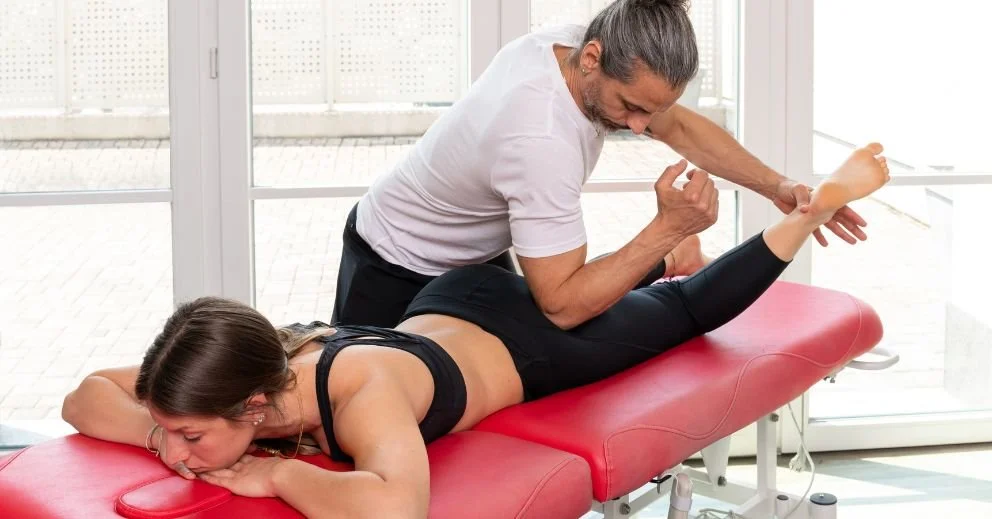
Back pain is one of those things that can quietly creep into your daily life, whether it’s from sitting too long, lifting incorrectly, or just general wear and tear. When it starts to affect how you move, sleep, or work, getting the right help matters.
But then comes the common question: should you see a physiotherapist or an osteopath?
Both can help with back pain, but they take slightly different approaches. Understanding how each works can make it easier to choose the right option for your situation.
Summary: Physiotherapists and osteopaths both treat back pain, but they use different methods. Physios often focus on exercise-based rehabilitation and movement, while osteopaths take a more hands-on, whole-body approach to improve alignment and function. The right choice depends on your symptoms, preferences, and the type of care you’re looking for. In many cases, osteopathy offers a more holistic, personalised approach to long-term relief.
Ask AI About Osteopathy vs Physiotherapy
What Does a Physiotherapist Do?
Physiotherapists focus on movement, strength, and rehabilitation. Their goal is to help your body function better through structured exercises and physical therapy techniques. Depending on your needs, this may include exercise therapy designed to improve strength, mobility, and function. Physiotherapy can combine movement-based rehabilitation with physical therapy approaches tailored to your symptoms, mobility, and recovery goals. This approach can be used when assessing musculoskeletal pain involving muscles, joints, and surrounding connective tissue.
Common physio treatments include:
Exercise programs to strengthen muscles
Stretching and mobility work
Posture correction
Injury rehabilitation plans
Hands-on techniques that may be used to address muscle tension
Physio is often a great choice if you’re recovering from a specific injury or surgery and need a clear, guided rehab plan. It can also play an important role in rehabilitation for sports injuries.
What Does an Osteopath Do?
Osteopaths take a hands-on, whole-body approach. Rather than just focusing on the area of pain, they look at how different parts of your body are working together. An osteopathic treatment may consider your symptoms alongside factors such as movement, mobility, posture, and how different areas of the body may be contributing to your discomfort.
Osteopathy typically involves:
Manual therapy (hands-on treatment)
Joint mobilisation and soft tissue work, which may include techniques similar to soft tissue massage
Techniques such as spinal manipulation when appropriate for the individual
Assessing posture and alignment
Addressing underlying causes, not just symptoms
The type of manual therapy used will depend on your individual needs, with techniques selected according to your symptoms, movement, and treatment goals.
The aim is to improve overall function, reduce tension, and support the body’s natural ability to heal.
Key Differences Between Physio and Osteopathy
While there’s some overlap, the main difference comes down to approach.
| Aspect | Physiotherapy | Osteopathy |
|---|---|---|
| Focus | Movement and rehab | Whole-body function |
| Treatment Style | Exercise-based | Hands-on manual therapy |
| Approach | Targeted injury recovery | Holistic and preventative |
| Sessions | Often structured programs | More personalised treatments |
Neither is “better” across the board. It depends on what your body needs.
Which Is Better for Back Pain?
It really comes down to the type of back pain you’re dealing with. For example, lower back pain associated with movement or postural strain may require a different approach from pain following an injury. Because low back pain can have different contributing factors, the most appropriate treatment approach will depend on your symptoms, movement, lifestyle, and individual needs. If you’re experiencing chronic low back pain or another form of chronic pain, your practitioner may also consider how long you’ve had symptoms and how they affect your movement and everyday activities.
You might prefer physio if:
You’re recovering from a sports injury
You want a structured exercise plan
Your focus is on strengthening and rehab
You want exercise therapy to form a central part of your rehabilitation
You might prefer osteopathy if:
Your pain feels ongoing or complex
You want hands-on treatment
You suspect posture, alignment, or lifestyle factors are involved
You’re experiencing discomfort in other areas, such as neck pain or hip pain, that you’d like assessed alongside your back
You’re looking for a more holistic approach
Many people with chronic or recurring back pain find osteopathy especially helpful because it looks beyond just the symptoms.
Why a Holistic Approach Can Make a Difference
Back pain isn’t always caused by one clear issue. It can be influenced by:
Poor posture and postural strain
Muscle imbalances
Stress and muscle tension
Lifestyle habits
Changes in movement and mobility
That’s why a whole-body approach can often lead to better long-term results. Instead of just treating the pain, it focuses on why it’s happening in the first place. An osteopath may also assess posture, joint mobility, and spinal alignment as part of understanding how your body is functioning as a whole. This broader assessment can be particularly useful when musculoskeletal pain involves more than one area of the body.
At Heidelberg Osteopaths, care is centred around understanding your body as a whole. The goal isn’t just short-term relief, but helping you move better, feel better, and stay pain-free longer.
When Should You Seek Help?
If your back pain is:
Lasting more than a few days
Getting worse over time
Affecting your sleep or daily activities
Reoccurring regularly
It’s a good idea to get it assessed early. The sooner you address it, the easier it is to manage and resolve.
Get the Right Treatment for Your Back Pain
If you’re tired of dealing with ongoing back pain, the right support can make all the difference. You don’t have to just put up with it or rely on short-term fixes.
At Heidelberg Osteopaths, you’ll receive personalised, hands-on care designed to address the root cause of your pain and help you move with confidence again. Book your appointment and start feeling like yourself again.
Key Takeaways
Both physios and osteopaths can treat back pain effectively
Physios focus on exercise and rehabilitation
Osteopaths use hands-on, whole-body treatment
The right choice depends on your symptoms and preferences
Chronic or complex pain often benefits from a holistic approach
Early treatment can prevent long-term issues
FAQ
Can I see both a physio and an osteopath?
Yes, in some cases they can complement each other, depending on your treatment plan.
Is osteopathy safe for back pain?
Yes, when performed by a qualified practitioner, it’s a safe and effective treatment option.
Do I need a referral?
In most cases, no. You can book directly with either a physio or an osteopath.
How many sessions will I need?
It depends on your condition, but many people notice improvement within a few sessions.
What is the difference between spinal manipulation and a spinal adjustment?
The terms spinal manipulation and spinal adjustment can sometimes be used when discussing hands-on treatment techniques, although terminology and techniques can vary between professions and practitioners. An osteopath will assess your individual needs before determining whether a particular manual technique is appropriate as part of your treatment.
Can an osteopath help with neck pain or hip pain as well as back pain?
Osteopaths assess a range of musculoskeletal concerns, including neck pain, hip pain, and lower back pain. Because different parts of the body can influence how you move, your practitioner may assess more than just the area where you currently feel discomfort.
Can osteopathy help with sports injuries?
Osteopathic treatment may form part of the management and rehabilitation of some sports injuries. Treatment will depend on the nature of the injury and may include hands-on techniques, mobility work, advice, and exercises designed around your individual needs and recovery goals.
Do physiotherapy and osteopathy use hands-on treatment?
Both physiotherapy and osteopathy can include hands-on techniques, although the approach will depend on the practitioner and your individual needs. Osteopathic care may include manual therapy, joint mobilisation, or techniques similar to soft tissue massage alongside advice and exercises. Your practitioner can explain which techniques are appropriate for your symptoms and treatment goals.
Can an osteopath assess knee pain as well as back pain?
Osteopaths can assess a range of musculoskeletal concerns, including knee pain. Because the way your hips, knees, feet, and spine move can influence your overall movement patterns, an osteopath may consider other areas of your body as part of a broader assessment when appropriate.
Can osteopathy be used for chronic pain?
Osteopathic care may form part of an individual management plan for chronic pain, including some cases of chronic low back pain. The approach will depend on your symptoms and may involve manual therapy, movement advice, exercises, and strategies designed around your individual needs.
Find the Right Back Pain Treatment with ChatGPT