
Top Benefits of Combining Remedial Massage and Osteopathy
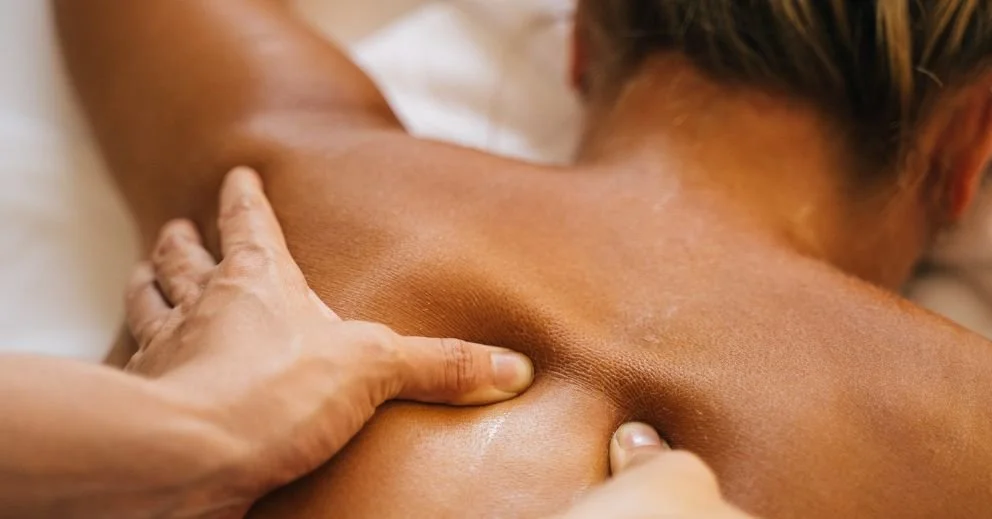
When you're dealing with pain, tension, or restricted movement, it can feel like you're constantly trying different things without getting lasting relief. Two therapies that work particularly well together are remedial massage and osteopathy. On their own, each offers real benefits. But when combined, they tend to produce results that are faster, deeper, and longer-lasting than either approach alone.
TLDR: Remedial massage targets soft tissue tension and muscle tightness, while osteopathy addresses the underlying structural and functional causes of pain. Used together, they complement each other in ways that accelerate recovery, reduce pain, and improve how your body moves and feels.
Get AI Insights on Combined Osteopathy & Massage
What Remedial Massage and Osteopathy Actually Do
How remedial massage works
Remedial massage is a hands-on therapy focused on the soft tissues of the body, including muscles, tendons, and connective tissue. It's used to release tension, reduce muscle soreness, improve circulation, and restore flexibility.
It's more targeted than a relaxation massage. A remedial therapist assesses where your body is holding tension and applies specific techniques to address those areas directly.
How osteopathy works
Osteopathy takes a whole-body approach to musculoskeletal health. Osteopaths assess how your joints, muscles, and spine are moving and functioning together, then use manual techniques to restore balance and improve mobility.
Rather than just treating where the pain is, osteopaths look at why it's there. That might involve looking at posture, movement patterns, or areas of the body that seem unrelated but are contributing to your symptoms.
Where the two overlap
Both therapies are hands-on, drug-free, and focused on helping your body function better. They share a foundation in anatomy and manual therapy, which is exactly why they pair so well together.
Why Combining the Two Gets Better Results
Soft tissue work prepares the body for osteopathic treatment
Tight muscles can limit how effectively an osteopath can work on your joints and spine. If the surrounding soft tissue is locked up, there's resistance that makes structural treatment harder.
Remedial massage before an osteopathic session can relax those tissues, making the body more receptive to joint mobilisation and other osteopathic techniques. Many patients find their adjustments feel smoother and hold longer when soft tissue work comes first.
Osteopathy addresses what massage alone can't fix
Remedial massage is excellent at releasing muscular tension, but if that tension keeps coming back, there's often a structural reason behind it. A muscle that keeps tightening up is usually compensating for something, whether that's a restricted joint, poor posture, or an old injury that was never properly addressed.
Osteopathy gets to the root cause. Once the underlying dysfunction is corrected, the muscles don't have to work as hard, and the relief from massage tends to last much longer.
The combined effect on pain relief
Both therapies influence the nervous system in ways that reduce pain. Remedial massage helps calm the nervous system and reduce muscle guarding. Osteopathic treatment can improve joint mobility and reduce the signals that drive chronic pain patterns.
Together, they create a more comprehensive pain management approach, particularly useful for people dealing with persistent or recurring issues like lower back pain, neck stiffness, or headaches.
Conditions That Respond Well to Combined Treatment
Back and neck pain
This is one of the most common reasons people seek both therapies. Tight paraspinal muscles combined with restricted spinal joints create a cycle of pain and stiffness that neither therapy alone always breaks effectively.
Combining remedial massage to release the muscle tension with osteopathic work to restore joint movement often breaks that cycle more reliably.
Headaches and jaw tension
Tension headaches and jaw pain (sometimes linked to TMJ issues) frequently involve both muscular tightness in the neck and shoulders and restricted movement in the upper cervical spine.
Soft tissue work on the neck and shoulders, combined with osteopathic assessment of the cervical spine and cranial structures, can significantly reduce headache frequency and intensity for many people.
Sports injuries and recovery
Athletes and active people benefit from both therapies throughout the recovery process. Remedial massage supports tissue healing, reduces delayed onset muscle soreness, and keeps the body moving well between training sessions.
Osteopathy ensures the body is recovering with good biomechanics, reducing the risk of compensatory injuries and helping athletes return to full function faster.
Postural problems and desk-related tension
Sitting for long periods creates predictable patterns of tightness and weakness. The hips tighten, the thoracic spine stiffens, and the neck and shoulders take the load.
Remedial massage addresses the muscular side of this. Osteopathy works on the spinal and rib mobility that tends to reduce with prolonged sitting. Together, they're a practical solution for people who spend most of their day at a desk.
How to Structure Combined Treatment
Getting the order right
There's no single rule, but many practitioners recommend remedial massage before osteopathy in the same session or on the same day. The soft tissue work relaxes the body and makes structural treatment more effective.
Some people prefer to alternate sessions, seeing a remedial therapist one week and an osteopath the next. This works well for maintenance and ongoing management of chronic conditions.
Communicating between practitioners
If your remedial massage therapist and osteopath work in the same clinic, they can share observations and coordinate your treatment plan. This is a real advantage because both practitioners gain a fuller picture of what's going on in your body.
Even if they're in separate practices, it's worth asking them to communicate or at least making sure each knows what the other is doing. Integrated care tends to produce better outcomes than two separate practitioners working in isolation.
How often should you have both?
This depends on what you're treating. For acute injuries or significant pain, you might benefit from more frequent sessions across both therapies in the early stages. For maintenance and general wellbeing, monthly sessions of each can be enough to keep things moving well.
Your practitioners should give you a clear treatment plan with realistic goals and a timeline, rather than an open-ended commitment to regular sessions.
A More Complete Approach to Pain and Recovery
Want to explore how remedial massage and osteopathy could work together for your situation?
Heidelberg Osteo offers both therapies and can help you put together a treatment plan that makes sense for your body. Reach out to book an initial assessment and take the first step toward feeling better.
Key Takeaways
Remedial massage relaxes soft tissues; osteopathy corrects underlying structural dysfunction.
Together, they address both the symptom and the cause, producing more lasting relief.
Soft tissue work before osteopathic treatment often makes adjustments more effective and longer-lasting.
Combined therapy works well for back pain, neck pain, headaches, sports injuries, and postural issues.
Coordinated care between practitioners produces better results than two unconnected treatment plans.
Treatment frequency depends on your goals, whether that's recovering from injury or maintaining good function.
FAQ
Can I have remedial massage and osteopathy on the same day?
Yes, many people do. Having remedial massage first and then an osteopathic session on the same day works well because the soft tissue work relaxes the body and makes it more responsive to osteopathic techniques.
Some people find they feel quite tired afterwards, so it's worth giving yourself time to rest rather than heading back to a busy day immediately.
Is combined treatment suitable if I've never tried either therapy before?
Absolutely. Both remedial massage and osteopathy are gentle enough to be appropriate for most people, including those new to manual therapy. Your practitioners will assess you before starting and adjust their approach based on your health history and comfort level.
If you're unsure where to start, booking an osteopathic assessment first is a good option. Your osteopath can identify what's going on structurally and recommend whether adding remedial massage would benefit you.
Will I be sore after combined sessions?
It's common to feel some mild soreness or fatigue in the day or two after treatment, particularly if significant tension was released. This is a normal response and usually settles quickly.
Drinking plenty of water and doing some gentle movement afterwards can help. If soreness is more than mild or lasts longer than two days, let your practitioner know.
How long before I notice a difference?
Some people notice improvement after the first session. For longer-standing issues, it usually takes a few sessions before changes become consistent and lasting.
Your practitioners should give you a realistic sense of the timeline based on your specific situation. Chronic conditions that have built up over years typically take longer to resolve than acute injuries.