
Top Workplace Injuries We Treat (And How to Prevent Them)
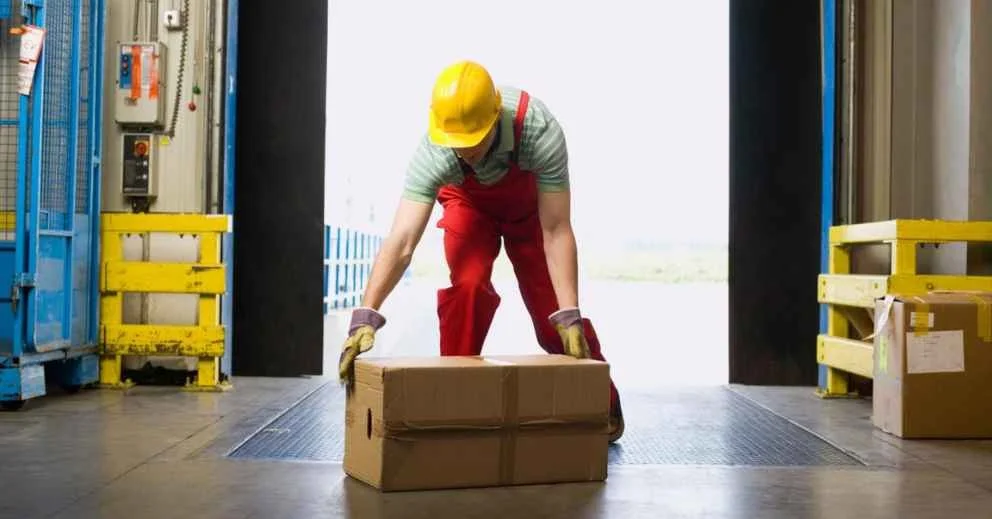
Every day, thousands of Australian workers experience injuries on the job that could have been prevented with the right knowledge and precautions. From office workers dealing with repetitive strain to tradies managing heavy lifting injuries, workplace injuries affect people across all industries and job types.
Understanding the most common workplace injuries and their prevention strategies isn't just important for employers. It's crucial information for every worker who wants to stay healthy, productive, and pain-free throughout their career.
TLDR: The most common workplace injuries include back strains, repetitive strain injuries, slips and falls, and overexertion injuries. Most can be prevented through proper ergonomics, regular movement, correct lifting techniques, and maintaining good workplace safety practices.
Back and Spinal Injuries in the Workplace
Back injuries remain the leading cause of workplace injury claims across Australia. These injuries don't just affect manual labourers-they're increasingly common in office environments where poor posture and prolonged sitting create significant strain on the spine.
Common Types of Back Injuries at Work
Lower back strain is by far the most frequent spinal injury we see in our clinic. This typically occurs when workers lift heavy objects incorrectly, twist while carrying loads, or maintain poor posture for extended periods. The lumbar spine bears the brunt of these stresses, leading to muscle strains, ligament sprains, and sometimes disc problems.
Upper back and neck injuries are also prevalent, particularly among office workers and those who work at computers all day. Poor monitor positioning, inadequate chair support, and forward head posture all contribute to cervical spine dysfunction and thoracic outlet syndrome.
Prevention Strategies for Back Injuries
Proper lifting technique is your first line of defence against back injuries. Always bend at the knees, keep the load close to your body, and avoid twisting while lifting. If something feels too heavy, ask for help or use mechanical aids like trolleys or lifting equipment.
For office workers, ergonomic setup is crucial. Your monitor should be at eye level, your feet should rest flat on the floor, and your chair should support the natural curve of your lower back. Take regular breaks to stand, stretch, and move around every 30 to 60 minutes.
Repetitive Strain Injuries and Overuse Conditions
Repetitive strain injuries (RSI) develop gradually over time when the same movements are performed repeatedly without adequate rest or recovery. These conditions are particularly common in manufacturing, data entry, and assembly line work.
Most Common RSI Conditions
Carpal tunnel syndrome affects workers who perform repetitive hand and wrist movements, especially those involving gripping, typing, or using vibrating tools. The median nerve becomes compressed as it passes through the wrist, causing numbness, tingling, and pain in the hand and fingers.
Tennis elbow (lateral epicondylitis) and golfer's elbow (medial epicondylitis) are frequent among workers who perform repetitive gripping, lifting, or twisting motions. Despite their names, these conditions are more common in trades and manual labour than in sports.
Shoulder impingement syndrome develops when workers frequently reach overhead or maintain their arms in elevated positions. This is common in painting, electrical work, and warehouse operations where items are stored at height.
Preventing Repetitive Strain Injuries
Job rotation and task variation are essential for preventing RSI. Where possible, alternate between different types of tasks throughout the day to give overused muscles and joints time to recover.
Regular micro-breaks are incredibly effective. Even 30-second breaks every 10 minutes can significantly reduce the risk of developing repetitive strain injuries. Use these breaks to stretch, change position, or simply rest the affected body parts.
Proper tool selection and workplace design also play crucial roles. Ergonomic tools, adjustable workstations, and equipment that reduces force requirements can dramatically lower RSI risk.
Slips, Trips and Falls in the Workplace
Falls are responsible for a significant portion of workplace injuries, ranging from minor bruises to serious fractures and head injuries. These accidents can happen in any workplace, from construction sites to retail environments.
Common Causes of Workplace Falls
Wet or slippery surfaces are the leading cause of workplace slips. This includes recently mopped floors, spilled liquids, ice, and surfaces contaminated with oil or other substances. Poor lighting often compounds these hazards by making them difficult to see.
Uneven surfaces, loose carpeting, damaged flooring, and cluttered walkways create trip hazards that can catch workers off guard. Construction sites and warehouses are particularly prone to these types of hazards.
Falls from height occur when workers use ladders, scaffolding, or work on elevated surfaces without proper fall protection equipment or safety procedures.
Fall Prevention Measures
Good housekeeping is the foundation of fall prevention. Keep walkways clear of clutter, clean up spills immediately, and ensure adequate lighting in all work areas. Use warning signs for wet floors and other temporary hazards.
Proper footwear makes a huge difference. Non-slip soles, good tread patterns, and shoes appropriate for the work environment can prevent many slip and fall accidents. Replace worn footwear promptly.
For work at height, always use appropriate fall protection equipment including harnesses, guardrails, and safety nets. Ensure ladders are in good condition and positioned correctly before use.
Overexertion and Manual Handling Injuries
Overexertion injuries occur when workers push their physical limits beyond what their bodies can safely handle. These injuries are particularly common in physically demanding jobs but can affect anyone who occasionally needs to lift, carry, or move heavy objects.
Types of Overexertion Injuries
Muscle strains are the most common overexertion injury, typically affecting the back, shoulders, and legs. These occur when muscles are stretched beyond their capacity or forced to contract too forcefully.
Joint sprains happen when ligaments are overstretched, commonly affecting ankles, wrists, and knees. These injuries often occur during awkward lifting or when workers lose their balance while carrying heavy loads.
Hernias can develop when workers lift extremely heavy objects or lift with poor technique, particularly when the abdominal muscles aren't properly engaged to support the core.
Preventing Overexertion Injuries
Know your limits and respect them. If a task feels beyond your physical capacity, use mechanical aids, ask for assistance, or break the job into smaller, more manageable parts.
Warm up before physically demanding work, just like athletes do before competition. Simple stretches and light movement can prepare your muscles and joints for the work ahead.
Team lifting is essential for heavy or awkward items. Establish clear communication and coordination before attempting to move anything that requires multiple people.
Eye Strain and Vision-Related Workplace Injuries
Digital eye strain has become increasingly common as more workers spend their days looking at computer screens, tablets, and other digital devices. While not traditionally considered a serious workplace injury, chronic eye strain can lead to headaches, neck pain, and reduced productivity.
Symptoms of Digital Eye Strain
Computer vision syndrome presents with tired, dry, or burning eyes, blurred or double vision, and headaches that worsen throughout the workday. Many workers also experience neck and shoulder pain as they unconsciously adjust their posture to see screens more clearly.
Blue light exposure from screens can disrupt sleep patterns and contribute to eye fatigue, particularly for workers who use computers for extended periods.
Protecting Your Vision at Work
The 20-20-20 rule is simple but effective: every 20 minutes, look at something 20 feet away for at least 20 seconds. This gives your eye muscles a chance to relax and refocus.
Proper screen positioning is crucial. Your monitor should be about arm's length away, with the top of the screen at or slightly below eye level. Adjust brightness and contrast to comfortable levels that match your surrounding environment.
Regular eye exams can detect vision problems early and ensure your prescription glasses or contacts are up to date. Many vision problems that contribute to eye strain can be easily corrected.
Cuts, Lacerations and Hand Injuries
Hand injuries are common across many industries, from kitchen work and manufacturing to construction and maintenance. The hands are involved in most work tasks, making them particularly vulnerable to cuts, crushing injuries, and burns.
Common Hand and Finger Injuries
Lacerations from knives, machinery, or broken glass are frequent in food service, manufacturing, and construction industries. These can range from minor cuts requiring basic first aid to severe injuries needing surgical repair.
Crushing injuries occur when hands or fingers get caught in machinery, doors, or between heavy objects. These injuries can damage bones, muscles, and nerves, sometimes requiring extensive rehabilitation.
Burns from hot surfaces, chemicals, or electrical sources can cause significant damage to hand tissues and may require specialised treatment and ongoing care.
Hand Injury Prevention
Appropriate gloves for the task provide essential protection. Cut-resistant gloves for handling sharp objects, heat-resistant gloves for hot surfaces, and chemical-resistant gloves for hazardous substances can prevent many hand injuries.
Machine guarding and safety devices should always be in place and functioning properly. Never bypass or remove safety guards, even if they seem to slow down work processes.
Proper training on tool use and safety procedures is essential. Workers should understand not just how to use equipment, but also how to recognise and avoid potential hazards.
Stress-Related Injuries and Mental Health
Workplace stress can manifest as physical symptoms and contribute to various health problems. While often overlooked, stress-related conditions are legitimate workplace health concerns that can significantly impact worker wellbeing and productivity.
Physical Manifestations of Workplace Stress
Tension headaches and migraines are common stress-related symptoms that can become chronic in high-pressure work environments. These often coincide with neck and shoulder tension from prolonged muscle contraction.
Sleep disturbances caused by work stress can lead to fatigue, reduced concentration, and increased risk of accidents and injuries. Poor sleep also impairs the body's ability to recover from physical strain.
Digestive issues, including stomach pain, acid reflux, and changes in appetite, are frequently linked to workplace stress and can affect overall health and work performance.
Managing Workplace Stress
Regular breaks and time management techniques can help prevent stress from building up throughout the workday. Short walks, deep breathing exercises, or brief meditation sessions can be remarkably effective.
Open communication with supervisors and colleagues about workload concerns can help identify solutions before stress becomes overwhelming. Many workplace stress issues can be resolved through better task distribution or resource allocation.
Work-life balance is crucial for long-term stress management. Setting boundaries between work and personal time helps prevent chronic stress from developing.
Treatment and Recovery Options
When workplace injuries do occur, prompt and appropriate treatment is essential for optimal recovery and preventing chronic problems. Early intervention often leads to better outcomes and faster return to work.
Immediate Response to Workplace Injuries
First aid and emergency care should be administered immediately for serious injuries. Every workplace should have trained first aid officers and well-stocked first aid kits readily available.
Proper documentation of the injury, including how it occurred and what immediate treatment was provided, is important for both medical care and workers' compensation claims.
Seeking professional medical assessment, even for seemingly minor injuries, can prevent complications and ensure appropriate treatment from the start.
Rehabilitation and Return to Work
Osteopathic treatment can be highly effective for many workplace injuries, particularly those involving the musculoskeletal system. Manual therapy techniques can help restore normal movement, reduce pain, and prevent compensatory problems from developing.
Graduated return to work programs allow injured workers to resume their duties progressively, starting with modified tasks and gradually increasing to full duties as recovery permits.
Ergonomic assessments and workplace modifications may be necessary to prevent re-injury and accommodate any ongoing limitations during the recovery process.
Creating a Safer Workplace Culture
Preventing workplace injuries requires more than just following safety rules-it needs a culture where safety is genuinely valued and prioritised by everyone from management to front-line workers.
Employee Education and Training
Regular safety training should cover not just specific hazards, but also general principles of injury prevention, proper body mechanics, and recognising early warning signs of developing problems.
Encouraging workers to report near-misses and safety concerns without fear of blame helps identify and address potential hazards before they cause injuries.
Peer support programs can help workers look out for each other and share practical safety tips based on real workplace experience.
Management Commitment to Safety
Leadership involvement in safety initiatives demonstrates genuine commitment and encourages worker participation. When managers actively participate in safety programs, workers are more likely to take them seriously.
Adequate resources for safety equipment, training, and workplace improvements show that safety is a priority, not just an afterthought.
Regular safety audits and reviews help identify trends, assess the effectiveness of current measures, and plan improvements.
Professional Treatment for Workplace Injuries
If you've experienced a workplace injury, don't wait for the problem to worsen. At Heidelberg Osteo, we specialise in treating work-related musculoskeletal injuries and helping people get back to their jobs safely and effectively.
Our experienced osteopaths understand the demands of different types of work and can provide targeted treatment to address your specific injury. We work closely with workers, employers, and case managers to develop comprehensive treatment plans that focus on both recovery and prevention of future injuries.
Contact Heidelberg Osteo today to book your appointment and take the first step toward recovery. Early treatment not only helps you feel better faster but can also prevent minor injuries from becoming major problems that keep you away from work longer than necessary.
Key Takeaways
Back injuries, repetitive strain injuries, falls, and overexertion are the most common workplace injuries across Australian industries
Most workplace injuries can be prevented through proper technique, ergonomic setup, regular breaks, and appropriate safety equipment
Early intervention and professional treatment lead to better recovery outcomes and faster return to work
Creating a safety culture requires commitment from both management and workers, with ongoing education and open communication
Small preventive measures like proper lifting technique, regular movement, and good housekeeping can prevent serious injuries