
Rated 5.0 by 300+ locals.Osteopath for Migraines: Natural Relief That Gets Results
Struggling with recurring migraines that disrupt your work, sleep, and daily life? At Heidelberg Osteo, our team uses hands-on treatment to address the underlying causes of migraine and help you find lasting relief.
Let’s help you better manage your migraines.
Migraines can be triggered by neck tension, postural strain, stress, poor sleep, or nervous system sensitivity. They can affect concentration, energy, and daily activities.
At Heidelberg Osteopaths, we support people with occasional or persistent migraines, assessing possible triggers and contributing physical factors.
Our osteopathic care focuses on reducing tension, improving mobility, and supporting better overall function to help manage recurring migraines.
If migraines are affecting your daily life, book an appointment with our team and take the next step toward feeling more in control of your health.

Migraine explained.
Migraines are a complex neurological condition often influenced by muscle tension, cervical dysfunction, postural strain, and nervous system sensitivity. Identifying your individual triggers is key to effective osteopathic treatment.
-
Migraines can be influenced by a range of neurological, physical, and lifestyle factors. Common triggers may include:
Neck and shoulder tension
Postural strain
Stress and nervous system overload
Poor sleep or fatigue
Hormonal fluctuations
Dehydration
Bright lights, strong smells, or sensory triggers
Dietary or environmental factors
-
Migraine symptoms can vary from person to person and may affect more than just the head. Common symptoms include:
Throbbing or pulsing head pain
Sensitivity to light, sound, or smells
Nausea or feeling unwell
Visual disturbances or aura
Neck stiffness or tension
Dizziness or lightheadedness
Difficulty concentrating
Fatigue during or after an episode
-
Migraines may be associated with a range of contributing factors or related conditions, including:
Cervical joint dysfunction
Tension-related headaches
Jaw tension or TMJ dysfunction
Postural strain
Stress-related nervous system sensitivity
Sleep-related issues
Hormonal migraine patterns
Chronic headache presentations
-
Osteopathic care for migraines takes a whole-body approach, looking at physical tension, movement restrictions, and lifestyle factors that may be contributing to your symptoms.
Your osteopath will assess areas such as the neck, upper back, jaw, posture, and movement patterns to better understand your migraine presentation.
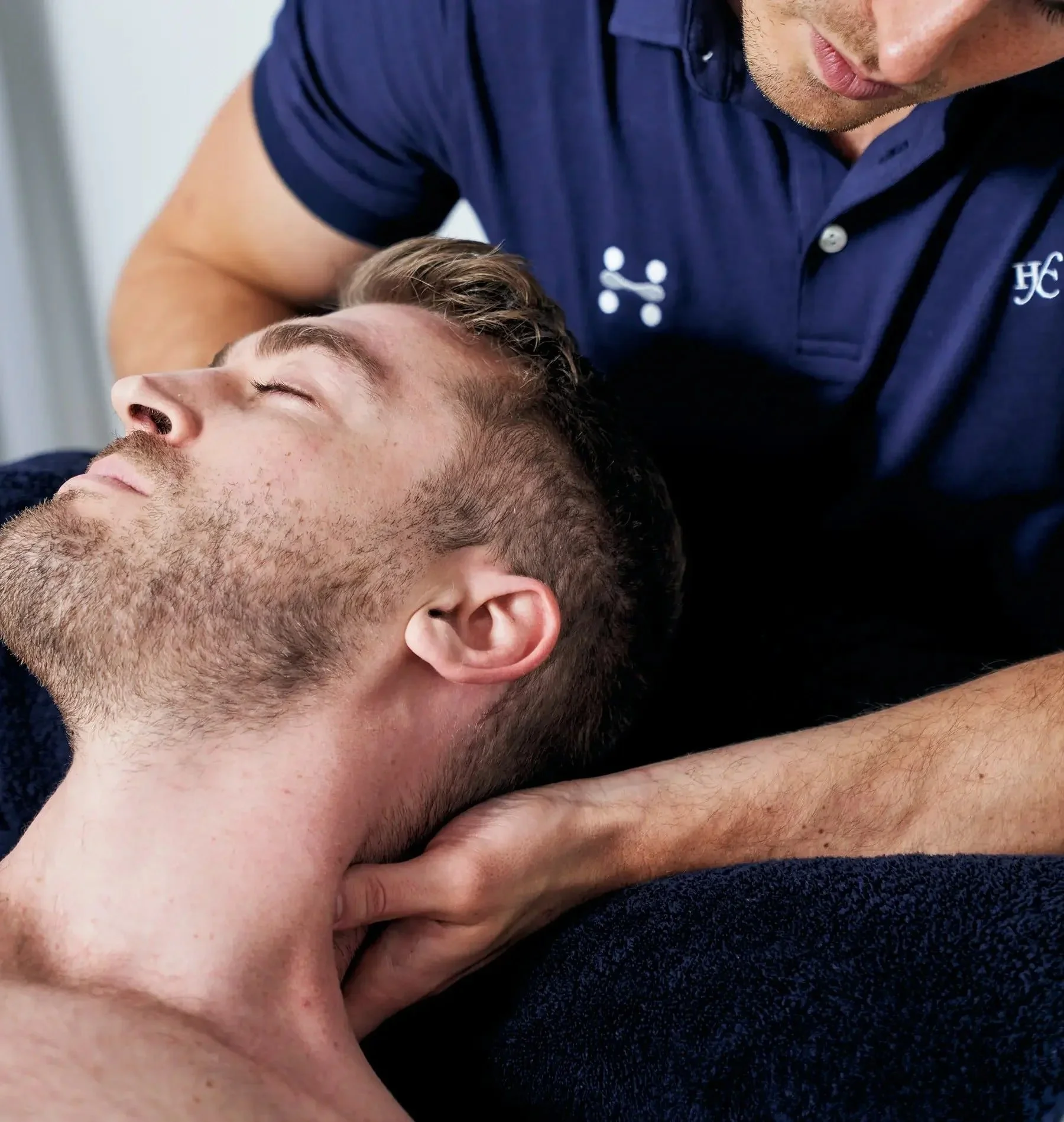
Treatment may include hands-on techniques to reduce muscular tension, improve mobility, and support better overall function.
You may also receive practical advice around posture, movement habits, and trigger management to help reduce the frequency or impact of migraine episodes.

Your migraine relief is our priority.
Our osteopaths take a whole-body approach to migraine care, assessing factors like neck mobility, jaw tension, posture, and muscle tightness that may be contributing to your symptoms. Treatment is tailored to your individual needs.
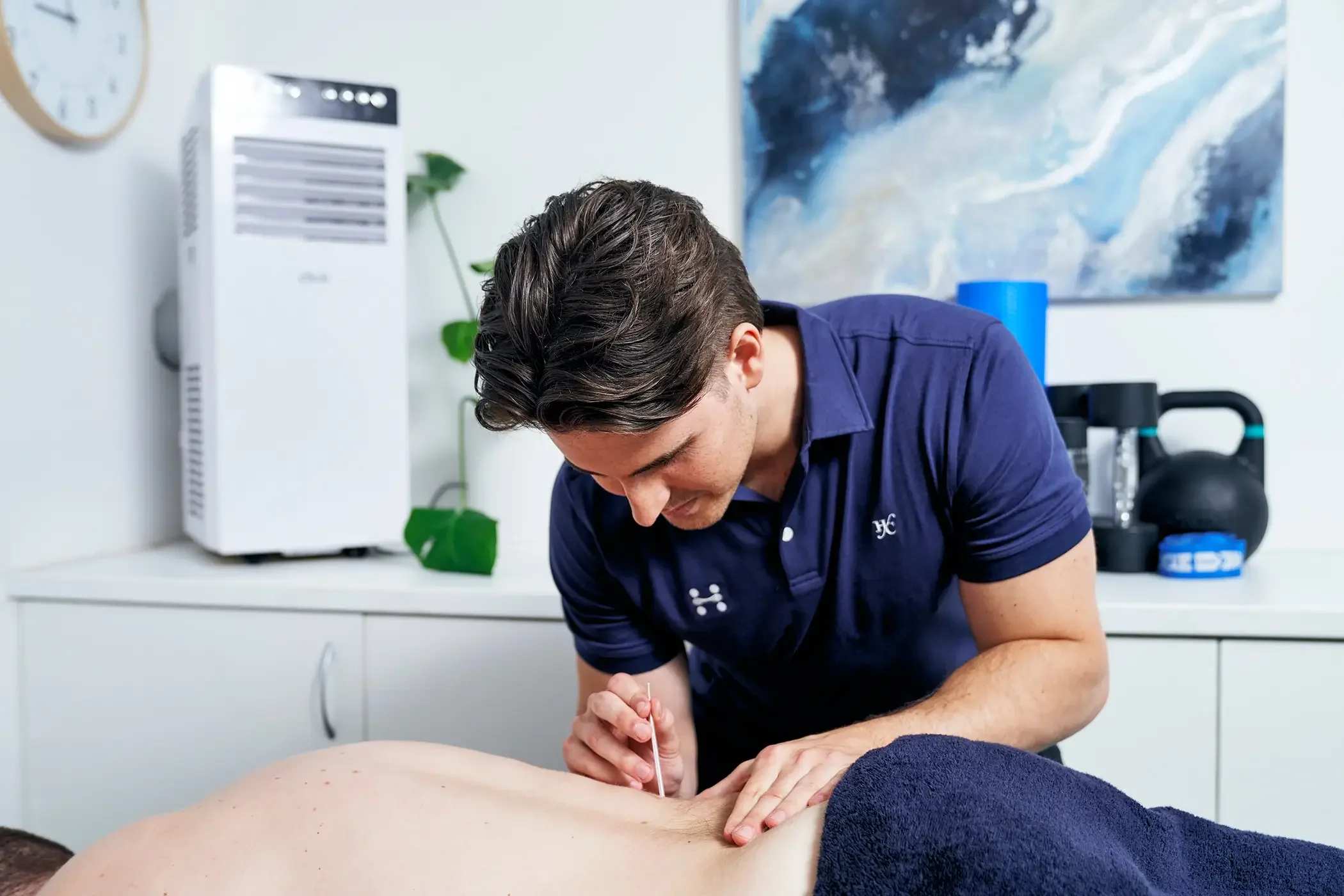
Treatment may include hands-on osteopathic techniques, soft tissue therapy, joint mobilisation, cranial techniques, or dry needling to help reduce physical tension and improve overall function.
Our goal is to help you better manage migraine frequency and severity while supporting your long-term well-being. With personalised care and practical guidance, we’re here to help you feel more in control of your health.
Osteopath for Migraines FAQ
-
Many people with migraines also experience neck stiffness, shoulder tension, or reduced mobility through the upper spine. Osteopathic treatment aims to address these physical contributors, which may help reduce strain associated with recurring migraines.
-
No, you don’t need a formal diagnosis to book an appointment. If you’re experiencing recurring headaches or migraine-like symptoms, our osteopaths can assess whether musculoskeletal factors may be playing a role and advise if further medical assessment is appropriate.
-
Poor posture, particularly from prolonged desk work or device use, can place extra strain on the neck, shoulders, and upper back. For some people, this added tension may contribute to headache or migraine patterns.
-
Migraine assessment may involve more than just the head or neck. Depending on your symptoms, your osteopath may assess posture, jaw function, upper back mobility, muscle tension, and movement patterns that could be contributing.
-
Yes. Treatment is always tailored to your comfort level, symptoms, and health history. Techniques used for migraine care are typically gentle and focused on reducing physical tension rather than aggressive manipulation.
-
Stress is a common migraine trigger and can also increase muscle tension, disrupt sleep, and heighten nervous system sensitivity. Osteopathic care may help address some of the physical effects associated with stress.
-
Yes. Your osteopath may provide practical advice around posture, workstation setup, movement habits, sleep positioning, or other lifestyle factors that may help support migraine management between appointments.