
How Osteopaths Diagnose and Treat Pain Conditions
Pain can affect every part of daily life, from work and exercise to simple movements like bending, lifting, or even sleeping comfortably. Whether the discomfort comes from an injury, poor posture, repetitive strain, or long-term musculoskeletal issues, understanding the root cause is essential for effective treatment.
Osteopathy focuses on identifying and addressing the underlying causes of pain rather than simply managing symptoms. Through hands-on assessment and targeted manual therapy, osteopaths work to restore movement, reduce discomfort, and support long-term physical health.
Summary: Osteopaths diagnose pain conditions by carefully assessing how the body moves, identifying restrictions, muscle tension, or joint dysfunction that may be contributing to discomfort. Treatment typically involves manual therapy techniques designed to improve mobility, relieve muscle tension, and support the body’s natural ability to recover. By focusing on the body as a connected system, osteopathy aims to address the source of pain while improving overall function and preventing future injury.
Summarize this article in ChatGPT
Understanding osteopathy and how it works
Osteopathy is a form of healthcare that focuses on the musculoskeletal system, which includes the muscles, joints, ligaments, and connective tissues that support the body.
Rather than looking at pain in isolation, osteopaths assess how different parts of the body work together. For example, discomfort in the lower back might be influenced by posture, muscle imbalance, or restricted movement in nearby joints.
This whole-body approach helps osteopaths identify the underlying factors contributing to pain.
The diagnostic process during an osteopathy appointment
When you visit an osteopath, the appointment typically begins with a thorough consultation and physical assessment.
The osteopath will usually ask questions about:
current symptoms and pain levels
when the pain began
previous injuries or health conditions
work, exercise, and lifestyle habits
movements that aggravate or relieve the pain
This information helps create a clearer understanding of what may be causing the problem.
Assessing movement and posture
A key part of osteopathic diagnosis involves assessing how the body moves.
The osteopath may evaluate:
posture and spinal alignment
joint mobility and flexibility
muscle strength and balance
movement patterns during specific activities
These assessments help identify areas of restriction, weakness, or imbalance that may be contributing to the pain.
For example, shoulder pain might be influenced by tight muscles in the neck or limited mobility in the upper back.
Manual therapy techniques used by osteopaths
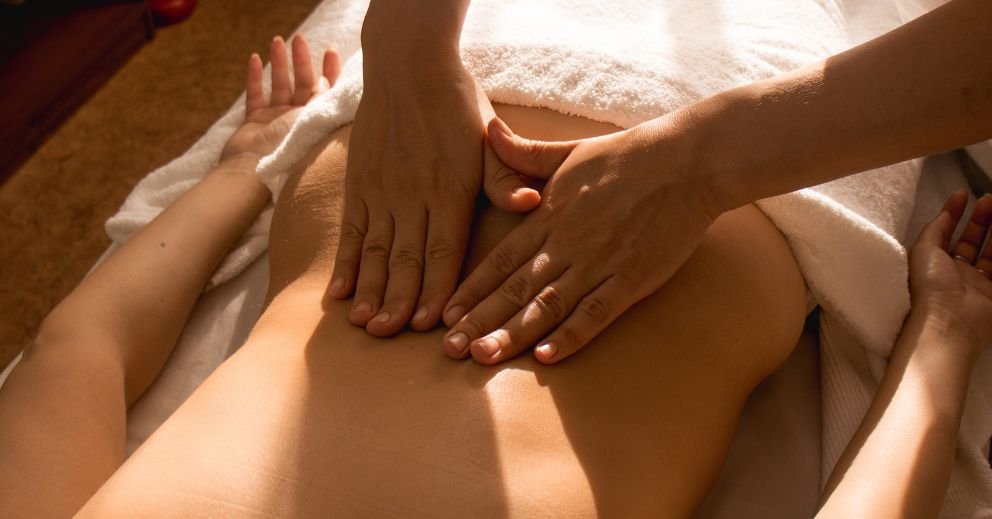
Once the cause of the pain has been identified, treatment usually involves hands-on techniques designed to restore normal movement and reduce discomfort.
Common osteopathic techniques include:
soft tissue massage to release muscle tension
joint mobilisation to improve joint movement
stretching techniques to increase flexibility
gentle manipulation to restore spinal mobility
These techniques are tailored to the individual’s condition and comfort level.
Improving mobility and reducing pain
When joints and muscles are not moving properly, surrounding tissues may become strained or overworked. Osteopathic treatment focuses on restoring efficient movement so the body can function more comfortably.
By improving mobility and reducing muscle tension, osteopathy may help:
decrease pain and stiffness
improve range of motion
reduce strain on surrounding tissues
support the body’s natural healing processes
Many patients also notice improvements in posture and general mobility after treatment.
Preventing recurring injuries
Osteopathic care often includes advice on how to prevent future pain or injury.
Depending on the condition, your osteopath may provide guidance on:
posture improvement
workplace ergonomics
stretching or strengthening exercises
activity modifications
These strategies help support long-term musculoskeletal health and reduce the risk of recurring issues.
Conditions commonly treated by osteopaths
Osteopaths regularly treat a wide range of musculoskeletal conditions, including:
back and neck pain
sports injuries
joint stiffness
muscle tension
repetitive strain injuries
Because osteopathy focuses on how the body moves as a whole, treatment plans are personalised to each patient’s needs.
Supporting your recovery with professional care
Pain and restricted movement can make everyday life more difficult, but the right treatment approach can help restore comfort and mobility.
At Heidelberg Osteopaths, the mission is simple: provide exceptional care, results, and service at an affordable price so you can perform at your best in all areas of your life. Their osteopaths use a combination of manual therapy techniques to relieve pain, improve mobility, and help prevent injuries.
Discover how the team can help you move and feel better by getting in touch today.
Key Takeaways
Osteopaths diagnose pain by assessing posture, movement, and musculoskeletal function.
A thorough consultation helps identify the underlying cause of discomfort.
Manual therapy techniques are used to improve mobility and reduce pain.
Osteopathic treatment focuses on restoring natural body movement.
Preventative advice helps reduce the risk of future injuries.
FAQ
What does an osteopath treat?
Osteopaths commonly treat musculoskeletal conditions such as back pain, neck pain, sports injuries, and joint stiffness.
What happens during an osteopathy appointment?
An appointment typically includes a consultation about symptoms, a physical assessment, and hands-on treatment to improve mobility and relieve tension.
Is osteopathic treatment painful?
Most osteopathic techniques are gentle and designed to relieve discomfort rather than cause it. Treatment is usually adapted to the patient’s comfort level.
How many osteopathy sessions are usually needed?
The number of sessions varies depending on the condition and its severity. Some people notice improvement after only a few treatments.
Can osteopathy help prevent injuries?
Yes. Osteopaths often provide advice on posture, exercise, and movement patterns to help reduce the risk of recurring injuries.